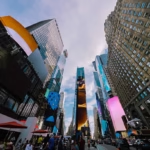
Urban landscapes have entered a new era of digital expression. Across the world, city landmarks are embracing outdoor LED video displays as powerful tools for storytelling, branding, and large-scale audience engagement. From Times Square in New York to Piccadilly Circus in London, dynamic LED panels are shaping the visual identity of iconic locations and driving innovative advertising strategies.
By merging cutting-edge hardware, creative content, and data-driven advertising models, outdoor LED video displays are redefining the interaction between urban spaces and digital experiences.
1. The Rise of Landmark-Based Digital Advertising
In modern cities, landmarks function as cultural beacons and advertising powerhouses. Global brands compete fiercely for visibility at these locations because they deliver unmatched exposure and symbolic value. Outdoor LED video displays have become the centerpiece of this trend, replacing static billboards with vibrant, immersive storytelling platforms.
Noord-Amerika, byvoorbeeld, het 'n oplewing in grootformaat-installasies gesien wat die hele geboufasades oorheers, wat 'n gevoel van skouspel skep wat ontwerp is om vlugtige verbruikers se aandag te vang. In Asië gebruik bestemmings soos Sjanghai se Nanjingweg en Tokio se Shibuya Crossing LED-videomure nie net vir kommersiële doeleindes nie, maar ook om kulturele estetika te verbeter. Europa, aan die ander kant, balanseer erfenisbewaring met tegnologiese innovasie, deur LED-skerms in landmerk-instellings in te sluit sonder om hul historiese karakter te oorskadu.
In plaas daarvan, interaktiewe en aanpasbare inhoud aangedryf deur outdoor LED video displays resoneer beter en skep emosionele verbindings tussen gehore en handelsmerke.
2. Tegnologiese evolusie wat aanneming dryf
The accelerated adoption of outdoor LED video displays has been enabled by significant technological breakthroughs. High-resolution LED modules, advanced heat dissipation systems, and energy-efficient architectures have pushed performance boundaries while keeping operational costs sustainable.
Pixel pitch innovation has been particularly transformative. With finer pixel densities, even massive LED walls now deliver cinema-quality visuals at close viewing distances. This enables brands to showcase immersive 4K and even 8K video campaigns without compromising clarity, making content far more engaging.
Moreover, intelligent brightness management systems allow displays to adapt dynamically to environmental conditions. Whether under harsh midday sunlight or during rainy nights, D-King’s display solutions handhaaf sigbaarheid en lewenskragtigheid sonder oormatige energieverbruik.
Boonop het wolkgebaseerde inhoudbestuurplatforms bedryfsdoeltreffendheid herdefinieer. Adverteerders kan nou verskeie skerms op afstand beheer en opdateer, wat hiper-gelokaliseerde veldtogte of gesinchroniseerde multi-stad-ontplooiing moontlik maak. Hierdie skaalbaarheid maak LED-videopanele onontbeerlik vir hoëprofiel-stedelike advertensiestrategieë.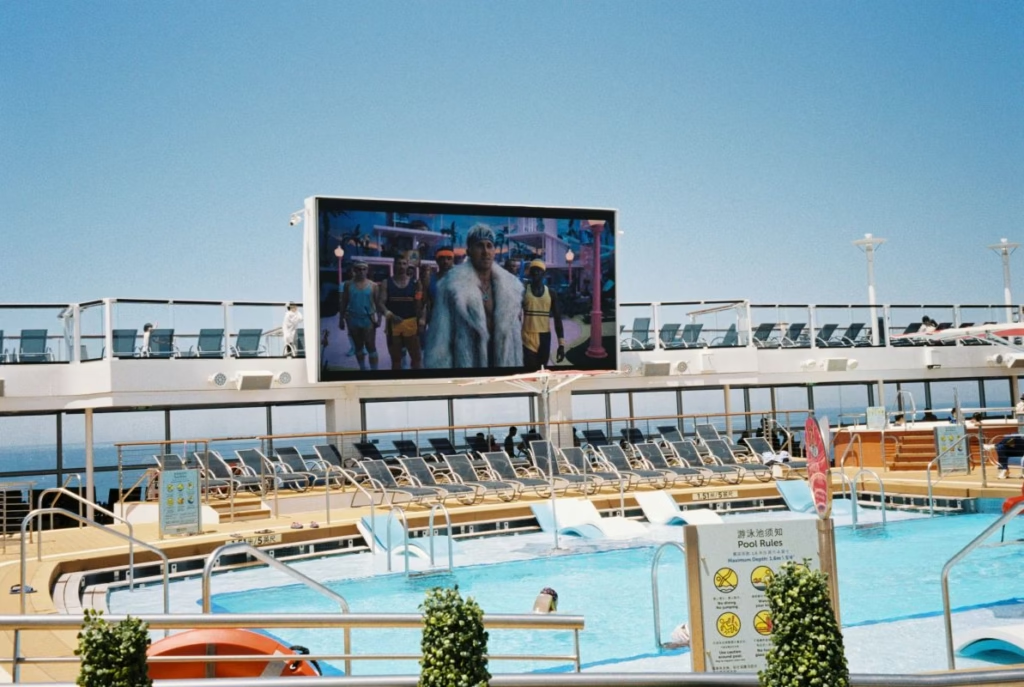
3. Gehoorbetrokkenheid deur ervaringsveldtogte
Buitelug-LED-videoskerms het verder ontwikkel as passiewe advertensiemediums. Vandag dien hulle as aktiewe betrokkenheidsplatforms wat handelsmerke met gehore verbind deur meeslepende ervarings.
Interaktiewe tegnologieë soos QR-kodeskandering, NFC-integrasie en AR-geaktiveerde inhoud allow pedestrians to transition seamlessly from viewing to interacting. For example, a large-format D-King LED display installed at a shopping plaza can invite users to participate in live polls, play gamified ads, or unlock exclusive promotions with their smartphones.
Moreover, contextualized content powered by real-time data adds another dimension of relevance. Displays can integrate live social media feeds, weather updates, or sports scores to enhance engagement. This adaptability not only increases audience retention but also strengthens the perceived value of the advertising platform itself.
Experiential campaigns leverage outdoor LED video displays to transform urban landmarks into living, breathing digital ecosystems. The combination of visual impact and interactivity ensures that advertisers achieve both reach and resonance.
4. Integration with Smart City Ecosystems
The role of outdoor LED video displays is expanding as cities embrace smart infrastructure. These panels are increasingly integrated into broader digital ecosystems, serving both commercial and civic functions.
D-King’s research highlights several emerging applications:
Real-time public communication: Displays can broadcast emergency alerts, transit updates, and public service announcements.
Dynamic data visualization: Urban planners utilize video walls to share environmental metrics, traffic insights, or event information.
Hybrid monetization models: Municipalities can subsidize installation costs by balancing civic messaging with paid advertising slots.
This synergy between public utility and commercial opportunity positions LED video displays as essential components of future-ready cities. The convergence of IoT integration, data analytics, and large-format digital canvases paves the way for more personalized and impactful urban advertising strategies.
5. Sustainability and Energy Efficiency
With the growing adoption of outdoor LED video displays, energy efficiency has become a critical priority. Consumers, regulators, and advertisers alike are demanding sustainable solutions that minimize environmental impact without compromising performance.
D-King addresses this challenge through innovations such as:
Low-power LED architectures that reduce energy consumption by up to 40%.
Advanced thermal management systems that lower heat emissions and extend display lifespan.
Recyclable materials and eco-friendly coatings that comply with global environmental standards.
Boonop waardeer adverteerders volhoubaarheid toenemend as 'n handelsmerkelement. Veldtogte wat op energiedoeltreffende LED-stelsels ontplooi word, vind aanklank by eko-bewuste verbruikers en strook met breër doelwitte vir korporatiewe verantwoordelikheid. Namate regulatoriese raamwerke strenger word, word hierdie volhoubaarheidsvoordele sleutelverskillende faktore vir verskaffers wat premiemarkte teiken.
6. Markvooruitsigte en strategiese geleenthede
Die globale mark vir buite-LED-videoskerms sal na verwagting oor die volgende vyf jaar geleidelik uitbrei, gedryf deur tegnologiese vooruitgang, verstedeliking en toenemende vraag na impakvolle advertensie-oplossings. Streeksdinamika vereis egter van verskaffers om hul strategieë noukeurig aan te pas.
In North America, landmark-based installations dominate, but suburban shopping districts are emerging as high-growth zones. Europe continues to balance aesthetic integration with heritage preservation, offering opportunities for customized designs. Meanwhile, Asia-Pacific leads innovation with ultra-high-resolution video walls and next-generation interactivity features.
For D-King, this evolving landscape presents multiple pathways for growth:
Belê in smarter content ecosystems to meet advertisers’ demand for data-driven campaigns.
Developing modular, scalable panel designs for diverse urban settings.
Strengthening partnerships with creative agencies to deliver end-to-end experiential campaigns.
These strategic directions position D-King as a trusted partner for brands and cities seeking to maximize visibility and impact in competitive digital environments.
Conclusion: Shaping the Future of Urban Advertising
Outdoor LED video displays have transcended their role as mere advertising tools to become catalysts of urban identity and audience engagement. At city landmarks, they merge cutting-edge technology with cultural storytelling, transforming static spaces into dynamic digital showcases.
Vir D-King lê die uitdaging en geleentheid daarin om toekomstige tendense te antisipeer terwyl dit ongeëwenaarde kwaliteit en betroubaarheid lewer. Deur tegnologiese innovasie in lyn te bring met volhoubaarheid, interaktiwiteit en slim stad-integrasie, D-Koning bemagtig adverteerders en munisipaliteite om die volle potensiaal van hul stedelike ruimtes te ontsluit.
Namate die wêreldvraag versnel, sal buitelug-LED-videoskerms voortgaan om nie net die besigheid van advertensies te vorm nie, maar ook die struktuur van moderne stede. Diegene wat vandag innoveer, sal die visuele taal van môre se stedelike ervarings definieer.