Warum das Wartungsdesign die Projektkosten für LED-Anzeigen bestimmt
Wenn Architekten und Bauherren eingebettet entwerfen LED-AnzeigeinstallationenSie konzentrieren sich oft auf Bildschirmgröße, Helligkeit und visuelle Leistung. Allerdings wird die Zugänglichkeit für Wartungsarbeiten zu einem der kritischsten Faktoren, die sich auf die langfristigen Projektkosten auswirken.
Ein Großformat modularer LED-Bildschirm Der direkte Einbau in eine Gebäudefassade, Wand oder Innenstruktur erfordert eine klare Wartungsstrategie. Ohne ordnungsgemäße Planung kann begrenzter Zugangsraum die Baukomplexität erhöhen, kostspielige strukturelle Änderungen nach sich ziehen und zukünftige Reparaturen verzögern.
Daher ist die Wahl zwischen a Wartungs-LED-Anzeige an der Vorderseite und a LED-Wartungsanzeige hinten ist nicht nur eine technische Entscheidung. Es beeinflusst direkt das Installationsdesign, die Anforderungen an die Stahlkonstruktion, die Wasserdichtigkeit und die Gesamtbetriebskosten.
Für Projekte mit begrenzter Wandtiefe oder keinem hinteren Serviceraum, a Service-LED-Anzeige vorne bietet eine flexiblere Lösung. Unterdessen eignen sich herkömmliche hintere Wartungssysteme weiterhin für Standorte mit speziellen Wartungskorridoren.
In diesem Artikel werden beide Lösungen im Hinblick auf architektonische Einschränkungen, Wartungsmethoden, wasserdichte Abdichtung und die Gesamtperspektive der Projektinvestitionen verglichen.
1. Grundlegendes zu den LED-Anzeigen für die Wartung vorne und hinten
Bevor Sie die Kosten vergleichen, ist es wichtig zu verstehen, wie jedes Wartungssystem funktioniert.
Was ist eine Front-Wartungs-LED-Anzeige?
A Wartungs-LED-Anzeige an der Vorderseite ermöglicht es Technikern, LED-Module, Netzteile und Steuerungskomponenten von der Vorderseite des Bildschirms zu entfernen.
Typischerweise verwenden Ingenieure:
- Magnetische Wartungswerkzeuge
- Moduldesign mit Frontzugang
- LED-Schränke mit Schnellverschluss
- Integrierte Servicestrukturen
Da Techniker keinen Zugang hinter den Bildschirm benötigen, kann das Display näher an Wänden oder architektonischen Oberflächen installiert werden.
Dadurch eignet sich die Frontwartungstechnik besonders für:
- LED-Bildschirme für Gebäudefassaden
- Integrierte Displays für den Innenbereich
- Werbewände für Einkaufszentren
- Kontrollräume
- Verkehrsknotenpunkte
Bei modernen Architekturprojekten macht dieses Design große hintere Wartungsräume überflüssig.
Was ist eine hintere Wartungs-LED-Anzeige?
A LED-Wartungsanzeige hinten erfordert, dass Techniker über die Rückseite des Bildschirms auf die Komponenten zugreifen.
Daher erfordert die Installation normalerweise:
- Wartungskorridore
- Zusätzliche Wandtiefe
- Größere Stahlkonstruktionen
- Reservierter Servicebereich
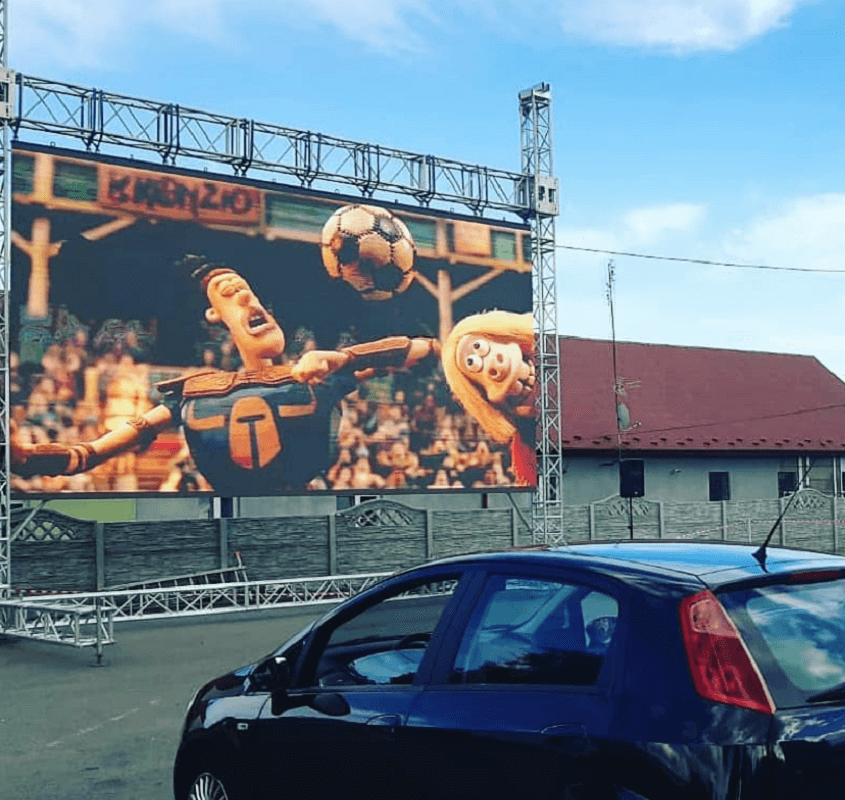
Dieser traditionelle Ansatz eignet sich gut für:
- Stadionbildschirme im Freien
- Große Werbetafeln
- Festinstallationen mit begehbaren Rückbereichen
Wenn bei Gebäuden jedoch strenge Platzbeschränkungen gelten, können hintere Wartungssysteme die Bauschwierigkeiten erhöhen.
2. Architektonische Einschränkungen: Wenn eine Wartung an der Vorderseite erforderlich wird
Bei vielen Projekten mit eingebetteten LED-Bildschirmen ist die größte Herausforderung nicht das Display selbst. Die Herausforderung liegt im verfügbaren Bauraum.
Eine begrenzte Wandtiefe führt zu Designherausforderungen
Viele Architekturprojekte integrieren LED-Anzeigen in:
- Glasfassaden
- Steinfassaden
- Dekorative Innenwände
- Ausstellungsstrukturen
Allerdings bieten diese Strukturen oft nur wenig Platz hinter dem Display.
Ein hinterer LED-Wartungsbildschirm erfordert zusätzlichen Freiraum für Techniker. Dieser Raum vergrößert sich:
- Anforderungen an die Gebäudetiefe
- Abmessungen des Stahlrahmens
- Installationsaufwand
- Materialkosten
Daher müssen Designer bereits in der frühen Architekturplanungsphase Wartungsflächen reservieren.
Die Frontwartung reduziert die strukturellen Anforderungen
Eine vordere Service-LED-Anzeige macht hintere Zugangskanäle überflüssig.
Dadurch können Architekten dünnere Installationsstrukturen schaffen und gleichzeitig die Gebrauchstauglichkeit beibehalten.
Zum Beispiel:
Ein herkömmliches Heckwartungssystem erfordert möglicherweise Folgendes:
- Platz auf dem hinteren Gehweg
- Tragender Stahlrahmen
- Zugangsbereich für Techniker
Mittlerweile erfordert ein modularer LED-Bildschirm mit Frontwartung lediglich:
- Freiraum für Frontbedienung
- Magnetische Wartungswerkzeuge
- Barrierefreies Moduldesign
Dadurch trägt die Frontwartungstechnologie dazu bei, den Gebäuderaum zu optimieren und unnötige bauliche Investitionen zu reduzieren.
3. Kostenvergleich: LED-Anzeige für Wartung vorne vs. Wartung hinten
Obwohl LED-Anzeigen für die Frontwartung möglicherweise etwas höhere Erstausrüstungskosten verursachen, bieten sie häufig eine bessere Gesamtwirtschaftlichkeit für Projekte.
Vergleich der Installationskosten
| Faktor | Wartungs-LED-Anzeige vorne | LED-Wartungsanzeige hinten |
|---|---|---|
| Platzbedarf im Fond | NEIN | Ja |
| Größe der Stahlkonstruktion | Kleiner | Größer |
| Einbautiefe | Reduziert | Erhöht |
| Architektonische Änderung | Minimal | Höher |
| Wartungszugang | Vorderseite | Rückseite |
Auf Produktebene mag ein Heckwartungssystem günstiger erscheinen. Allerdings können zusätzliche Baukosten das endgültige Projektbudget deutlich erhöhen.
Zu diesen versteckten Kosten gehören:
- Zusätzliche Stahlkonstruktionen
- Gebäudeverstärkung
- Wartungsplattformen
- Zugangstüren
- Reservierte Servicebereiche
Daher sollten Projekteigentümer die gesamten Installationskosten bewerten, anstatt nur die Anzeigepreise zu vergleichen.
4. Wartungseffizienz und langfristige Betriebskosten
Die Wartungshäufigkeit wirkt sich direkt auf die Betriebskosten der LED-Anzeige aus.
Ein modularer LED-Bildschirm enthält viele austauschbare Komponenten, darunter:
- LED-Module
- Karten erhalten
- Netzteile
- Kontrollsysteme
Bei Störungen reduziert der schnelle Zugriff die Ausfallzeit.
Die Wartung an der Vorderseite ermöglicht einen schnelleren Modulaustausch
Mit magnetischen Front-Service-Modulen können Techniker beschädigte Geräte schnell von der Displayoberfläche entfernen.
Dieser Prozess:
- Verkürzt die Reparaturzeit
- Reduziert den Arbeitsaufwand
- Verbessert die betriebliche Effizienz
Insbesondere bei kommerziellen LED-Displays bedeuten kürzere Ausfallzeiten weniger Werbeverluste und eine bessere Kapitalrendite.
Die Wartung der Rückseite erfordert mehr Wartungsvorbereitung
Die Wartung des Hecks erfordert oft:
- Zugangsplanung für Techniker
- Bewegungsraum der Ausrüstung
- Sicherheitsverfahren
Bei großen eingebetteten Displays können diese Anforderungen die Reparatur erschweren.
Daher bieten Frontwartungssysteme größere Vorteile für Projekte, die einen kontinuierlichen Betrieb erfordern.
5. Vergleich der wasserdichten Leistung: Herausforderungen beim IP65-Schutz
Bei architektonischen LED-Anzeigen für den Außenbereich ist die Wasserdichtigkeit ein weiterer wichtiger Gesichtspunkt.
Ein Profi IP65 wasserdichtes LED-Display muss interne Komponenten schützen vor:
- Regenwasser
- Staub
- Luftfeuchtigkeit
- Umweltbelastung
Allerdings haben unterschiedliche Wartungsstrukturen Einfluss auf die Dichtungskonstruktion.
LED-Wartungsanzeige an der Vorderseite, wasserdichtes Design
LED-Wartungsanzeigen an der Vorderseite verwenden in der Regel Folgendes:
- Integrierte Moduldichtung
- Wasserdichte Gummiringe
- Präzise Schrankkonstruktionen
- Frontseitige Schutzsysteme
Da die Frontmodule häufig entfernt werden müssen, müssen die Hersteller Folgendes sorgfältig abwägen:
- Einfache Wartung
- Mechanische Zuverlässigkeit
- Wasserdichte Dichtungsleistung
Hochwertige modulare LED-Bildschirme können die Schutzart IP65 erreichen und gleichzeitig einen bequemen Zugang von vorne bieten.
LED-Wartungsanzeige hinten, wasserdichtes Design
Heckwartungssysteme verwenden im Allgemeinen eine feste Frontfläche mit weniger Frontöffnungen.
Daher können sie einfachere wasserdichte Frontstrukturen bieten.
Die hintere Struktur muss jedoch Folgendes schützen:
- Schrankanschlüsse
- Interne Verkabelung
- Leistungskomponenten
Wenn der hintere Wartungsbereich im Freien liegt, ist möglicherweise auch ein zusätzlicher wasserdichter Schutz erforderlich.
6. Welche LED-Anzeigelösung sollten Sie wählen?
Die richtige Wahl hängt von den Projektbedingungen ab.
Wählen Sie die vordere Wartungs-LED-Anzeige, wenn:
Ein Frontwartungssystem wird empfohlen für:
✔ Eingebettete architektonische LED-Bildschirme
✔ Projekte mit begrenzter Installationstiefe
✔ Gewerbliche Displays im Innenbereich
✔ LED-Wände mit hoher Dichte
✔ Projekte, die eine schnelle Wartung erfordern
Es bietet:
- Platzsparende Installation
- Geringere bauliche Anforderungen
- Schnellere Reparaturen
- Größere architektonische Flexibilität
Wählen Sie die hintere Wartungs-LED-Anzeige, wenn:
Die Heckwartung bleibt weiterhin geeignet für:
✔ Stadion-LED-Bildschirme
✔ Werbetafeln im Außenbereich
✔ Große freistehende Strukturen
✔ Standorte mit eigenem Servicebereich
Es bietet:
- Einfacher Wartungszugang
- Traditionelle Installationsmethoden
- Flexibles Schrankdesign
7. Checkliste für den Käufer vor der Auswahl eines modularen LED-Bildschirms
Vor dem Kauf eines kundenspezifischer modularer LED-BildschirmProjektteams sollten Folgendes bewerten:
1. Installationsumgebung
Fragen:
- Gibt es genügend hinteren Zugangsraum?
- Ist das Display in eine Wand eingelassen?
- Wird der zukünftige Wartungszugriff eingeschränkt sein?
2. Gesamtprojektkosten
Halten:
- Preis anzeigen
- Kosten für die Stahlkonstruktion
- Konstruktionsänderung
- Wartungskosten
Der günstigste Bildschirm ist nicht immer die kostengünstigste Lösung.
3. Wartungsanforderungen
Auswerten:
- Austauschhäufigkeit
- Zugänglichkeit für Techniker
- Voraussichtliche Betriebsstunden
Bei kommerziellen Anwendungen wirkt sich die Wartungseffizienz direkt auf die Rentabilität aus.
Fazit: Frontwartung schafft flexiblere architektonische LED-Lösungen
Die Wahl zwischen a Wartungs-LED-Anzeige an der Vorderseite und a LED-Wartungsanzeige hinten Hängt von mehr als nur der Installationspräferenz ab. Es wirkt sich auf die architektonische Gestaltung, die Baukosten, die Wartungseffizienz und den langfristigen Betriebswert aus.
Für Projekte mit begrenzter Wandtiefe oder eingebetteten Installationsanforderungen bietet die Frontwartungstechnologie eine intelligentere Lösung. Dadurch entfällt der Bedarf an teuren Wartungsräumen auf der Rückseite, während gleichzeitig ein zuverlässiger Modulaustausch gewährleistet ist und ein wasserdichter IP65-Schutz gewährleistet ist.
Unterdessen bleiben LED-Wartungsanzeigen auf der Rückseite auch bei großen Installationen mit ausreichend Wartungsbereichen wirksam.
Daher sollten Projektplaner zu Beginn des Entwurfsprozesses die Zugänglichkeit für Wartungsarbeiten bewerten. Indem Sie das Richtige auswählen modulare LED-Bildschirmstrukturkönnen Unternehmen eine bessere visuelle Leistung, niedrigere Gesamtkosten und eine flexiblere Architekturintegration erreichen.