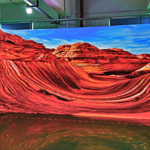
Bei der Auswahl von a modulare LED-Anzeige, fragen viele Käufer: „Was ist der wirkliche Unterschied zwischen LED-Anzeigen für den Innen- und Außenbereich? Kann ein LED-Bildschirm für den Außenbereich im Innenbereich installiert werden?“
Obwohl beide Systeme LED-Technologie zur Darstellung von Bildern und Videos nutzen, stehen bei ihrer Konzeption völlig unterschiedliche Umgebungsanforderungen im Fokus.
Die wichtigsten Unterschiede zwischen LED-Anzeige im Innen- oder Außenbereich Zu den Lösungen gehören:
- Helligkeitsanforderungen
- Schutzniveau
- Modulstruktur
- Materialbeständigkeit
- Installationsumgebung
Ein LED-Display für den Außenbereich ist so konzipiert, dass es Sonnenlicht, Regen, Staub und Temperaturschwankungen standhält, während ein LED-Display für den Innenbereich mehr auf Sehkomfort, Farbgenauigkeit und Betrachtung aus nächster Nähe ausgerichtet ist.
Die Auswahl des richtigen Anzeigetyps basierend auf der Installationsumgebung gewährleistet eine bessere Bildqualität, Zuverlässigkeit und Betriebseffizienz.
Was ist der Unterschied zwischen der Helligkeit von LED-Anzeigen im Innen- und Außenbereich?
Warum benötigen Outdoor-LED-Bildschirme eine höhere Helligkeit?
Die Helligkeit ist einer der wichtigsten Unterschiede zwischen LED-Anzeigen für den Innen- und Außenbereich.
In Außenumgebungen sind LED-Bildschirme starkem Umgebungslicht ausgesetzt, insbesondere tagsüber direktem Sonnenlicht.
Um eine klare Sicht zu gewährleisten, erfordern LED-Anzeigen im Außenbereich normalerweise Folgendes:
- Helligkeit oben 1500 Nits
- Höhere Helligkeitsstufen für Anwendungen mit direkter Sonneneinstrahlung
- Optimiertes optisches Design für die Betrachtung im Freien
Für Standorte mit starker Sonneneinstrahlung, wie zum Beispiel:
- Gebäudefassaden
- Stadien
- Werbetafeln für Autobahnen
- Außenansicht eines Einkaufszentrums
Möglicherweise muss die LED-Helligkeit erreicht werden 5000 Nits oder höher um die Bildsichtbarkeit auch bei Mittagssonne aufrechtzuerhalten.
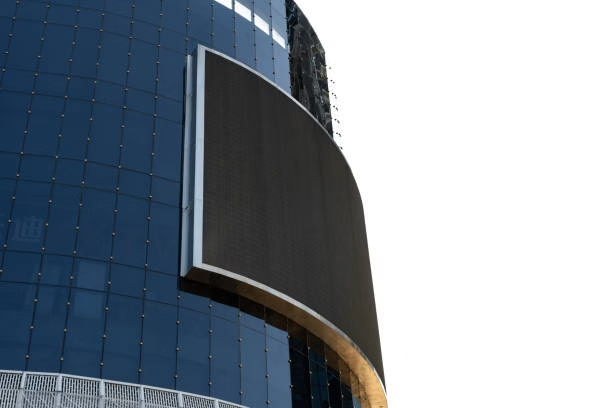
Warum ist zu hohe Helligkeit nicht für den Innenbereich geeignet?
In Innenräumen herrschen normalerweise kontrollierte Lichtverhältnisse.
Die meisten LED-Anzeigen für den Innenbereich funktionieren in folgenden Bereichen:
800-1500 Nits
Die Verwendung eines hochhellen LED-Außendisplays in Innenräumen kann Folgendes verursachen:
- Augenbeschwerden
- Übermäßige Blendung
- Reduziertes Seherlebnis
- Höherer Stromverbrauch
LED-Bildschirme für den Innenbereich sind für geringere Betrachtungsabstände konzipiert, bei denen die Helligkeitsbalance wichtiger ist als die maximale Lichtleistung.
Wie wirkt sich die Schutzart auf LED-Anzeigen im Innen- und Außenbereich aus?
Warum benötigen LED-Bildschirme für den Außenbereich die Schutzart IP65?
LED-Anzeigen für den Außenbereich müssen bei wechselnden Wetterbedingungen funktionieren.
Ein typisches IP65-LED-Bildschirm bietet:
- Schutz vor Staub
- Beständigkeit gegen Strahlwasser
- Höhere Zuverlässigkeit im Außenbereich
Die IP-Schutzart ist besonders wichtig für:
- Regeneinwirkung
- Luftfeuchtigkeit ändert sich
- Staubansammlung
- Schwankungen der Außentemperatur
Große Außendisplays erfordern außerdem zusätzlichen baulichen Schutz, da der Winddruck zu erheblichen mechanischen Belastungen führen kann.
Welchen zusätzlichen Schutz benötigt eine Outdoor-LED-Anzeige?
Über die wasserdichte Leistung hinaus umfassen LED-Module für den Außenbereich oft:
UV-Schutz
LED-Komponenten für den Außenbereich erfordern UV-beständige Materialien, um Folgendes zu verhindern:
- Farbe verblasst
- Plastische Verformung
- Oberflächenalterung
Korrosionsbeständigkeit
Außenumgebungen können enthalten:
- Feuchtigkeit
- Salzige Luft
- Industrielle Schadstoffe
Materialien und Beschichtungen müssen einer langfristigen Belastung standhalten.
Windlastauslegung
Große LED-Außenbildschirme erfordern strukturelle Berechnungen, um den Windkräften standzuhalten.
Je größer die Bildschirmgröße, desto größer ist der Einfluss des Winddrucks auf:
- Schrankstruktur
- Einbaurahmen
- Unterstützendes System
Wie werden LED-Module für Innen- und Außenanwendungen unterschiedlich konzipiert?
Was macht Outdoor-LED-Module langlebiger?
Outdoor-LED-Module sind auf Umweltschutz ausgelegt.
Typische Merkmale sind:
- Witterungsbeständige Schränke
- UV-behandelte Masken
- Wasserdichte Modulstrukturen
- Verbessertes Dichtungsdesign
- Temperaturbeständige Komponenten
Ziel ist es, trotz Umweltveränderungen einen stabilen Betrieb aufrechtzuerhalten.
Warum legen Indoor-LED-Module mehr Wert auf die Bildqualität?
LED-Anzeigen im Innenbereich werden normalerweise aus kürzeren Entfernungen betrachtet.
Deshalb priorisieren Designer:
- Höheres Kontrastverhältnis
- Bessere Farbgenauigkeit
- Feiner Pixelabstand
- Reibungslose Graustufenleistung
Zu den typischen Innenanwendungen gehören:
- Konferenzräume
- Einkaufszentren
- Kontrollzentren
- Einzelhandelsgeschäfte
- Rundfunkstudios
Die Priorität liegt auf visuellen Details und nicht auf extremer Umweltbeständigkeit.
Können Outdoor-LED-Displays im Innenbereich verwendet werden?
Was passiert, wenn ein Outdoor-LED-Bildschirm im Innenbereich installiert wird?
Technisch gesehen kann ein Outdoor-LED-Display auch im Innenbereich eingesetzt werden, es ist jedoch meist nicht die optimale Lösung.
Mögliche Nachteile sind:
Übermäßige Helligkeit
Hohe Helligkeit, die für Umgebungen mit Sonnenlicht ausgelegt ist, kann in Innenräumen unangenehm wirken.
Höherer Energieverbrauch
Außenbildschirme erfordern leistungsstärkere LEDs, was zu einem höheren Stromverbrauch führt.
Reduzierte visuelle Optimierung
Betrachtungsabstände in Innenräumen erfordern eine feinere Bildleistung, was bei Outdoor-Designs möglicherweise nicht die Priorität hat.
Daher kann die Verwendung einer Outdoor-LED-Anzeige in Innenräumen die Kosten erhöhen, ohne das Benutzererlebnis zu verbessern.

Vergleich der LED-Anzeigen für den Innen- und Außenbereich
Welcher LED-Anzeigetyp eignet sich am besten für verschiedene Anwendungen?
| Vergleichsfaktor | LED-Anzeige für den Innenbereich | LED-Anzeige für den Außenbereich |
|---|---|---|
| Helligkeitsstufe | Normalerweise 800-1500 Nits | Normalerweise über 1500 Nits, höher für Bereiche mit Sonnenlicht |
| Umfeld | Kontrollierte Innenbedingungen | Witterungseinflüsse im Freien |
| Schutzklasse | Begrenzte Anforderungen an die Wasserdichtigkeit | Schutzart IP65 oder höher |
| Materialdesign | Konzentrieren Sie sich auf Farbe und Bildqualität | Konzentrieren Sie sich auf Haltbarkeit und Wetterbeständigkeit |
| UV-Beständigkeit | Normalerweise nicht erforderlich | Erforderlich für den langfristigen Einsatz im Freien |
| Allgemeine Anwendungen | Einzelhandel, Besprechungsräume, Studios | Werbetafeln, Stadien, Verkehrsflächen |
Wie wählt man das richtige modulare LED-Display aus?
Auswahlhilfe für LED-Displays basierend auf der Anwendung
Vor dem Kauf einer modularen LED-Anzeige sollten Käufer Folgendes prüfen:
1. Installationsort
Fragen:
- Drinnen oder draußen?
- Direkte Sonneneinstrahlung?
- Abstand zum Zuschauer?
- Wetterbedingungen?
Die Installationsumgebung bestimmt die erforderliche Schutzstufe und Helligkeit.
2. Betrachtungsabstand
Innenbildschirme werden oft aus kürzerer Entfernung betrachtet.
Dies erfordert die Berücksichtigung von:
- Pixelabstand
- Auflösung
- Bildausschnitt
Outdoor-Bildschirme haben in der Regel Priorität:
- Helligkeit
- Sichtweite
- Haltbarkeit
3. Betriebsbedingungen
Halten:
- Temperaturbereich
- Luftfeuchtigkeit
- Staubexposition
- Wartungszugänglichkeit
Ein Display, das für die falsche Umgebung konzipiert ist, kann eine kürzere Lebensdauer und höhere Wartungskosten haben.
Was sollten Käufer beim Kauf von LED-Displays beachten?
Checkliste für die Beschaffung modularer LED-Bildschirme
| Bewertungsfaktor | Wichtige Überlegungen |
|---|---|
| Helligkeit | Passt es zu den Umgebungslichtverhältnissen? |
| Schutzklasse | Ist der IP-Level für den Installationsort geeignet? |
| Moduldesign | Beinhaltet es den erforderlichen Umweltschutz? |
| Pixelabstand | Ist die Bildqualität für den Betrachtungsabstand geeignet? |
| Thermalmanagement | Kann es einen stabilen Betrieb aufrechterhalten? |
| Wartungsmethode | Wartungsanforderungen vorne oder hinten |
Ein professioneller LED-Display-Anbieter sollte Produkte basierend auf den Anwendungsanforderungen empfehlen, anstatt für jedes Projekt den gleichen Display-Typ zu verwenden.
Die Wahl zwischen LED-Anzeigen für den Innen- und Außenbereich beginnt mit der Umgebung
Der Vergleich von LED-Anzeigen für den Innen- und Außenbereich Es geht nicht darum, welche Technologie besser ist, sondern welches Design zur Anwendung passt.
Bei LED-Anzeigen für den Innenbereich liegt der Schwerpunkt auf Helligkeitsbalance, Farbgenauigkeit und Betrachtungsqualität im Nahbereich. Bei LED-Displays für den Außenbereich stehen hohe Helligkeit, IP65-Schutz, UV-Beständigkeit und strukturelle Haltbarkeit im Vordergrund.
Die Auswahl des richtigen modularen LED-Displays erfordert die Bewertung der Installationsbedingungen, des Betrachtungsabstands, der Umgebungseinflüsse und der langfristigen Betriebsanforderungen.
D-KING bietet maßgeschneiderte modulare LED-Anzeigelösungen und hilft Kunden bei der Auswahl geeigneter LED-Systeme für den Innen- und Außenbereich basierend auf Projektumgebungen und Leistungsanforderungen.