I display LED cilindrici sono sempre più popolari negli spazi commerciali. Offrono visibilità a 360 gradi, distribuzione di contenuti coinvolgenti e possibilità di design innovative. Tuttavia, per selezionare il display giusto è necessario bilanciare durata, prestazioni ed estetica. Comprendere l'integrità strutturale, la qualità dei materiali e i vincoli di installazione garantisce risultati ottimali a lungo termine. Inoltre, la flessibilità del design influenza il coinvolgimento degli spettatori e l’impatto complessivo.
Durabilità strutturale: supportare le prestazioni a lungo termine
La durabilità rimane la preoccupazione principale. Display LED cilindrici spesso operano all'aperto o in aree ad alto traffico. L'esposizione costante agli agenti atmosferici, alle vibrazioni e all'interazione con il pubblico richiede una costruzione robusta. I produttori utilizzano telai in alluminio o acciaio ad alta resistenza per mantenere la stabilità strutturale. Angoli rinforzati e staffe di montaggio sicure prevengono la deformazione. Inoltre, la resistenza agli agenti atmosferici garantisce prestazioni affidabili in caso di pioggia, vento e sbalzi di temperatura. I display adeguatamente progettati mantengono forma e funzionalità costanti per anni.
Qualità dei materiali e caratteristiche protettive
La qualità del materiale influenza sia la durabilità che le prestazioni visive. I pannelli frontali utilizzano LED di alta qualità e vetro temperato per resistere agli urti e all'abrasione. I telai verniciati a polvere prevengono la corrosione, prolungando la durata della vita. I rivestimenti protettivi migliorano la resistenza ai raggi UV, alla polvere e all'umidità. Le applicazioni esterne traggono particolare vantaggio dagli involucri con grado di protezione IP. Gli elevati gradi IP garantiscono protezione contro l'ingresso di acqua e l'accumulo di polvere. Queste misure riducono la frequenza della manutenzione e supportano il funzionamento ininterrotto.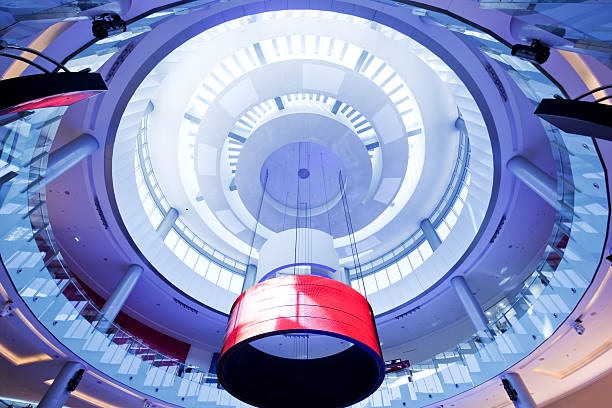
Flessibilità del design e coinvolgimento dello spettatore
Le considerazioni sulla progettazione influiscono sull'interazione del pubblico. I display LED cilindrici consentono al contenuto di avvolgersi attorno a colonne o strutture, massimizzando la visibilità. Si adattano a spazi commerciali come centri commerciali, aeroporti e padiglioni espositivi. I progettisti spesso integrano pannelli curvi per creare immagini senza soluzione di continuità. La curvatura corretta garantisce luminosità uniforme e precisione del colore. Inoltre, il design modulare consente futuri aggiornamenti senza smantellare l'intera struttura. Questa flessibilità supporta l'evoluzione delle esigenze di marketing o informative.
Pixel Pitch e chiarezza visiva
Il passo dei pixel influisce direttamente sulla nitidezza dell'immagine e sulla distanza di visualizzazione. Il passo dei pixel più piccolo offre un'alta risoluzione per l'osservazione a distanza ravvicinata. Il passo dei pixel più ampio si adatta alla visibilità a lunga distanza, come la pubblicità esterna. La scelta della corretta densità di pixel garantisce una qualità dell'immagine ottimale senza costi inutili. Inoltre, il controllo della luminosità e la calibrazione del colore mantengono prestazioni visive costanti. I display LED cilindrici richiedono un attento allineamento dei pixel lungo le curve per prevenire distorsioni e preservare la chiarezza.
Gestione termica e longevità dei componenti
La dissipazione del calore è fondamentale per prestazioni e durata. I display cilindrici generano una notevole quantità di calore dai moduli LED ad alta densità. I sistemi di raffreddamento avanzati, come la ventilazione passiva o le ventole integrate, mantengono la temperatura operativa. Una gestione termica efficace previene il degrado dei LED e prolunga la durata. I progettisti considerano i modelli del flusso d'aria e il posizionamento dei componenti interni. La temperatura costante riduce lo sfarfallio, la deriva del colore e i guasti prematuri. Di conseguenza, il controllo termico supporta prestazioni di visualizzazione stabili a lungo termine.
Installazione e integrazione strutturale
L'installazione influisce sia sulla sicurezza che sulla funzionalità. I display LED cilindrici richiedono un montaggio preciso per mantenere l'allineamento verticale ed evitare cedimenti. Gli ingegneri utilizzano strutture di supporto rinforzate compatibili con gli ancoraggi a pavimento o a soffitto. Il design dei pannelli modulari semplifica il montaggio e la sostituzione. Inoltre, la gestione dei cavi garantisce che i collegamenti elettrici rimangano sicuri e senza ostacoli. Una corretta installazione riduce al minimo lo stress meccanico, previene danni al display e garantisce un funzionamento ininterrotto nel tempo.
Efficienza energetica e costi operativi
Il consumo energetico incide sia sui costi che sull’impatto ambientale. Display LED cilindrici spesso operano ininterrottamente, rendendo l’efficienza critica. LED di alta qualità e sistemi di driver ottimizzati riducono il consumo energetico senza compromettere la luminosità. La regolazione automatica della luminosità si adatta alla luce ambientale, risparmiando ulteriormente energia. I costi operativi ridotti rendono i display durevoli ed efficienti dal punto di vista energetico attraenti per l'implementazione commerciale a lungo termine. Le considerazioni sulla sostenibilità attraggono anche le aziende moderne che cercano soluzioni eco-compatibili.
Adattamento dei contenuti e integrazione del software
I display cilindrici richiedono una formattazione dei contenuti specializzata. I contenuti standard dello schermo piatto potrebbero non essere allineati con le superfici curve. Server multimediali avanzati o strumenti software regolano video, grafica e testo per adattarli alla curvatura. La gestione dei contenuti in tempo reale consente aggiornamenti dinamici per marketing, informazione o intrattenimento. La perfetta integrazione del software garantisce che gli effetti visivi mantengano chiarezza e impatto su tutta la superficie cilindrica. Una corretta ottimizzazione del software migliora il coinvolgimento degli spettatori e l'efficacia della messaggistica.
Strategie di manutenzione e longevità
Una manutenzione regolare preserva prestazioni ed estetica. La pulizia dei pannelli di accesso, l'ispezione dei moduli LED e il controllo della stabilità strutturale prevengono il deterioramento a lungo termine. Il design modulare facilita la sostituzione dei componenti con interruzioni minime. Inoltre, la manutenzione preventiva riduce i tempi di inattività e i costi operativi. I display LED cilindrici mantenuti correttamente forniscono prestazioni costanti per diversi anni. I produttori spesso forniscono programmi di garanzia e supporto per migliorare l'affidabilità.
Considerazioni ambientali e di sicurezza
I display LED cilindrici devono essere conformi alle norme di sicurezza. I componenti elettrici richiedono un adeguato isolamento e messa a terra. Le unità esterne beneficiano di involucri resistenti alle intemperie che prevengono incidenti e proteggono gli spettatori. La pianificazione della sicurezza comprende l'accesso sicuro per i tecnici e la protezione contro i contatti accidentali. La progettazione rispettosa dell'ambiente, compresa l'efficienza energetica e i materiali riciclabili, è in linea con gli obiettivi di sostenibilità aziendale. Dare priorità alla sicurezza e alla sostenibilità garantisce la fiducia operativa a lungo termine.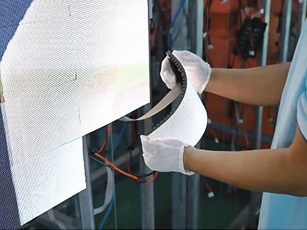
Applicazioni nel mondo reale e vantaggi commerciali
I display LED cilindrici hanno un impatto in tutti i settori. Gli ambienti di vendita al dettaglio li utilizzano per promuovere i prodotti da più angolazioni. Gli aeroporti e gli snodi dei trasporti forniscono navigazione, avvisi e pubblicità. Musei e mostre coinvolgono i visitatori con esperienze visive a 360 gradi. Le impostazioni aziendali utilizzano display per annunci e messaggi di marca. In tutte le applicazioni, la combinazione di durabilità, flessibilità di progettazione e qualità visiva determina vantaggi aziendali misurabili.
Bilanciare costo e valore
Selezione display LED cilindrici comporta la valutazione dei costi iniziali rispetto al valore a lungo termine. Materiali durevoli, raffreddamento efficiente e costruzione modulare possono aumentare l'investimento iniziale. Tuttavia, la manutenzione ridotta, il risparmio energetico e il maggiore coinvolgimento del marchio giustificano la spesa. Le aziende ottengono il ROI attraverso prestazioni affidabili, visibilità costante e longevità operativa. I decisori devono considerare il costo totale di proprietà, compresi installazione, manutenzione e consumo energetico.
Tendenze emergenti e innovazioni tecnologiche
I futuri display LED cilindrici integrano moduli a risoluzione più elevata, design termico migliorato e materiali leggeri. I sensori intelligenti regolano automaticamente luminosità, orientamento e contenuto. Le funzionalità interattive tattili o di rilevamento del movimento migliorano il coinvolgimento. L'integrazione con IoT e analisi consente l'ottimizzazione dei contenuti basata sui dati. L'innovazione continua garantisce che i display rimangano durevoli, visivamente sbalorditivi e funzionalmente versatili. Le aziende beneficiano di soluzioni scalabili che si adattano alle mutevoli esigenze di segnaletica digitale.
Conclusione: scegliere il display LED cilindrico giusto
Selezione display LED cilindrici richiede attenzione alla durabilità, al design, alla gestione termica e all'installazione. Materiali di alta qualità, costruzione modulare e un'adeguata integrazione del software garantiscono prestazioni a lungo termine. Il bilanciamento tra chiarezza visiva, efficienza energetica e manutenzione semplifica le operazioni. Le aziende massimizzano il ROI e il coinvolgimento del pubblico scegliendo display progettati per garantire longevità e impatto. In definitiva, i display LED cilindrici durevoli e ben progettati offrono esperienze coinvolgenti a 360 gradi che migliorano efficacemente gli spazi commerciali.