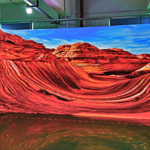
Nel cuore delle città moderne, l’architettura digitale ora modella l’esperienza pubblica.
Tuttavia, gli schermi LED per esterni ad alta potenza devono bilanciare attrazione e responsabilità. Durante l'intensa luce del giorno, funzionano come magneti visivi che preservano l'impatto commerciale. Tuttavia, dopo il tramonto, devono addolcirsi e diventare vicini premurosi nel paesaggio notturno urbano. Diversamente, una luminosità insufficiente indebolisce il valore, mentre un'intensità eccessiva provoca inquinamento luminoso e affaticamento visivo.
Per risolvere questo conflitto, l'ultima generazione di display LED modulari incorpora un “Sistema globale di percezione della luce ambientale”. Questa tecnologia consente allo schermo di eseguire una transizione continua e continua da un picco di luminosità a 10.000 nit fino a un morbido 500 nit. Integrando moduli di rilevamento distribuiti con modulazione intelligente della larghezza di impulso (PWM), questi schermi raggiungono un "equilibrio d'oro" tra visibilità straordinaria e rispetto dell'ambiente. Questo articolo esplora l'ingegneria alla base di questo oscuramento intelligente e il modo in cui eleva l'immagine pubblica di un marchio attraverso la responsabilità tecnologica.
1. La sfida degli ambienti variabili: perché la luminosità statica fallisce
La segnaletica digitale tradizionale spesso funziona con un programma di luminosità fisso. Tuttavia, il tempo è imprevedibile e le stagioni cambiano i tempi dell’alba e del tramonto.
L’effetto “washout” di mezzogiorno
In una giornata limpida, la luce solare ambientale può superare i 100.000 lux. Per tagliare questo bagliore, an maxischermo LED pubblicitario esterno richiede un minimo di 7.000-10.000 nit per mantenere un contrasto elevato. Senza questo “potere abbagliante”, il messaggio del marchio appare sbiadito e poco professionale, sprecando l’investimento nello spazio mediatico.
Il problema dell’“abbagliamento” di mezzanotte
Di notte, la pupilla umana si dilata per catturare più luce. Uno schermo da 10.000 nit che funziona a piena potenza al buio non è solo fastidioso; è un pericolo per la sicurezza degli automobilisti e fonte di lamentele per gli appartamenti vicini. Inoltre, il funzionamento a luminosità eccessiva durante la notte spreca migliaia di dollari in elettricità e accelera l'invecchiamento termico delle sfere LED.

2. Rilevamento della luce distribuito: il “sistema nervoso” dello schermo
Il sistema globale di percezione della luce ambientale sostituisce un singolo sensore centralizzato con un rete di rilevamento distribuita.
Raccolta dati multipunto
Invece di fare affidamento su un sensore che potrebbe essere bloccato da un uccello o dall'ombra di un albero vicino, professionale display LED modulari utilizzare più sonde sensibili alla luce installate con diversi orientamenti (superiore, laterale e inferiore).
Azione: Questi sensori catturano una mappa a 360 gradi della luminanza dell’ambiente.
Effetto: Il sistema calcola una media ponderata della luce ambientale, prevenendo lo "sfarfallio" causato da ombre temporanee o dai fari delle auto in transito. Ciò garantisce che la transizione dell'attenuazione sia così fluida da risultare impercettibile all'occhio umano.
3. Tecnologia di regolazione continua: il viaggio da 10.000 a 500 Nit
Il nucleo dell '"Intelligenza" risiede nel modo in cui il sistema traduce i dati del sensore in uscita LED fisica.
La potenza dei driver PWM High-Gray
Per ottenere un output morbido da 500 nit senza sacrificare la profondità del colore, il display LED modulari utilizzano circuiti integrati driver PWM (Pulse width modulation) ad alta velocità di aggiornamento.
Luce solare diretta (10.000 nit): Il sistema massimizza la corrente e i cicli di lavoro per garantire che il bilanciamento del bianco rimanga puro e che l'immagine rimanga “strabiliante” anche in caso di esposizione diretta ai raggi UV.
Coperto/Crepuscolo (2.000–4.000 nit): Quando le nuvole si avvicinano, il sistema avvia una riduzione “continua”. Non si tratta di un improvviso calo graduale, ma di una curva graduale che mantiene le caratteristiche “High Dynamic Range” (HDR) dello schermo.
Tarda notte (500 nit): Con l'impostazione più bassa, i circuiti integrati del driver devono mantenere un'elevata scala di grigi (solitamente 14 bit o 16 bit). Ciò garantisce che anche al 5% della luminosità massima, i gradienti del contenuto video rimangano uniformi, evitando l'aspetto "pixellato" o "a blocchi" che affligge gli schermi inferiori a basso consumo.
4. La sinergia tra “Smart” e “Green”: oltre la performance visiva
L’implementazione di un sistema globale di percezione della luce ambientale è altrettanto importante responsabilità sociale delle imprese (CSR) per quanto riguarda la qualità visiva.
Drastico risparmio energetico
Far funzionare uno schermo a 10.000 nit 24 ore su 24, 7 giorni su 7 è un disastro ecologico. Oscurando automaticamente la luminosità a 500 nit di notte, un brand può ridurre il consumo energetico dello schermo fino a dal 60% al 75% durante le ore serali.
Gestione termica: Una luminosità inferiore significa meno calore. Ciò riduce il carico sulle ventole di raffreddamento interne, risparmiando ulteriormente energia e prolungando significativamente la durata dei moduli LED.
Certificazione Verde: Per gli sviluppatori che mirano a ottenere LEED o altre certificazioni ambientali, “Smart Dimming” è una caratteristica obbligatoria per le facciate digitali.
Ridurre l’inquinamento luminoso urbano
In molte città di livello 1, le nuove normative limitano rigorosamente le “candele per metro quadrato” (Nit) consentite dopo le 22:00. Uno schermo dotato di percezione intelligente della luce garantisce che il marchio rimanga automaticamente conforme alle leggi locali, evitando pesanti multe e chiusure forzate.
5. Proteggere il “brand Glow”: Coerenza in tutta la rete
Per i marchi che gestiscono più sedi, il sistema globale di percezione della luce ambientale garantisce che ciascuna pannello display LED modulare in città sembra identico.
Calibrazione unificata: Indipendentemente dal fatto che uno schermo si trovi in una piazza soleggiata e un altro in un vicolo ombreggiato, il sistema intelligente regola ciascuno schermo individualmente in modo che la “luminosità percepita” dal consumatore rimanga costante.
Conservazione dei contenuti: Il sistema include un algoritmo di “compensazione della temperatura del colore”. Quando lo schermo si oscura, il sistema sposta leggermente il bilanciamento del colore per garantire che i colori dell’“identità aziendale” del marchio (come un rosso o un blu specifico) rimangano accurati a diverse temperature della luce ambientale.
6. Conclusione: un ambiente visivo in armonia
Il “Global Ambient Light Perception System” rappresenta la maturazione del settore della segnaletica digitale. Ci stiamo allontanando dagli schermi che semplicemente “gridano” al pubblico e verso schermi che “dialogano” con l’ambiente.
Padroneggiando la transizione da 10.000 nit (per la dominanza di mezzogiorno) a 500 nit (per l'amicizia notturna), i display LED modulari offrono una soluzione totale per le città moderne. Offrono il ROI più elevato possibile per gli inserzionisti, dimostrando al tempo stesso l'impegno di un marchio nei confronti della sicurezza pubblica, della sostenibilità ambientale e dell'eleganza visiva. Nel futuro delle città intelligenti, gli schermi di maggior successo non saranno solo i più luminosi, saranno anche i più intelligenti.