Na moderna “Economia da Experiência”, as limitações físicas da arquitectura comercial estão a ser desafiadas pela fluidez digital. Para os sectores da hotelaria e do retalho, o modelo tradicional de “renovação estática” – onde um espaço é concebido para um propósito e permanece inalterado durante anos – está a tornar-se obsoleto. Hoje, um local deve ser um restaurante durante o dia, um lounge cheio de energia à noite e uma galeria de arte envolvente ou plataforma de lançamento de produtos no fim de semana.
O catalisador tecnológico para esta transformação é o displays de outdoor LED modulares para ambientes internos em formatos modulares. Ao utilizar cubos modulares de LED e unidades geométricas, os proprietários de empresas podem criar “Espaços Programáveis”. Esta evolução permite a “renovação da pele com um clique”, transformando um investimento interno único em um “ativo de cena” dinâmico que gera interesse recorrente do consumidor. Este artigo explora como a tecnologia LED modular redefine a versatilidade comercial e o potencial de receita.
1. A morte da renovação estática: a ascensão do ROI baseado na experiência
Durante décadas, o ROI (Return on Investment) de um espaço comercial esteve ligado à durabilidade da sua decoração. No entanto, na era das redes sociais e dos rápidos ciclos de tendências de consumo, a “permanência” tornou-se um risco. Um restaurante com tema estático pode perder sua “Instagramabilidade” em seis meses.
Da decoração fixa aos ativos fluidos
Painéis outdoor modulares de LED para ambientes internos passaram de simples telas de informações para se tornarem a própria “pele” do edifício. Ao substituir o tradicional papel de parede, pintura ou adereços físicos por cubos modulares de LED, o proprietário do local ganha a capacidade de reprogramar a atmosfera sem precisar fechar para construção. Esta mudança reduz a “fadiga da renovação” e permite que o negócio permaneça relevante num mercado em rápida evolução.
A mentalidade de “assinatura”
Imagine um showroom que “assina” diferentes estéticas sazonais. Na primavera, as paredes florescem com flores de cerejeira digitais; no inverno, eles se transformam em um palácio de gelo futurista. Unidades modulares de LED tornam possível esse modelo de “Assinatura de cena”, garantindo que a primeira e a décima visita do cliente sejam igualmente inovadoras.
2. Geometria Modular: Cubos, Triângulos e a Arte da Reconfiguração
O poder da moderna tecnologia LED reside na sua modularidade. Ao contrário das telas planas tradicionais, os cubos modulares de LED permitem a integração arquitetônica tridimensional.
Quebrando a Barreira 16:9
A maioria dos displays comerciais estão limitados ao formato retangular padrão. As unidades modulares, entretanto, rompem esses limites. Os designers podem empilhar cubos para criar pilares digitais, suspendê-los como lustres brilhantes ou espalhá-los pelo teto para simular um céu fragmentado. Esta flexibilidade estrutural garante que o displays de outdoor LED para ambientes internos complementam a identidade única da marca em vez de ditá-la.
Instalação rápida e conectividade perfeita
Os sistemas modulares modernos utilizam mecanismos “Quick-Lock” e pontes de dados sem fio. Isso significa que uma galeria pode reconfigurar seu layout de exibição em questão de horas. Como cada cubo é uma unidade independente, mas sincronizada, o conteúdo digital flui perfeitamente através de formas 3D complexas, mantendo a clareza de alta resolução de todos os ângulos de visualização.
3. “Reskinning com um clique”: a praticidade da troca de cena
O termo “Reskinning com um clique” refere-se à capacidade de um sistema de controle centralizado de revisar todo o ambiente visual por meio de um único comando de software.
O estudo de caso do restaurante multifuncional
Um restaurante sofisticado pode utilizar cubos modulares de LED para gerenciar a transição “Dia para Noite”:
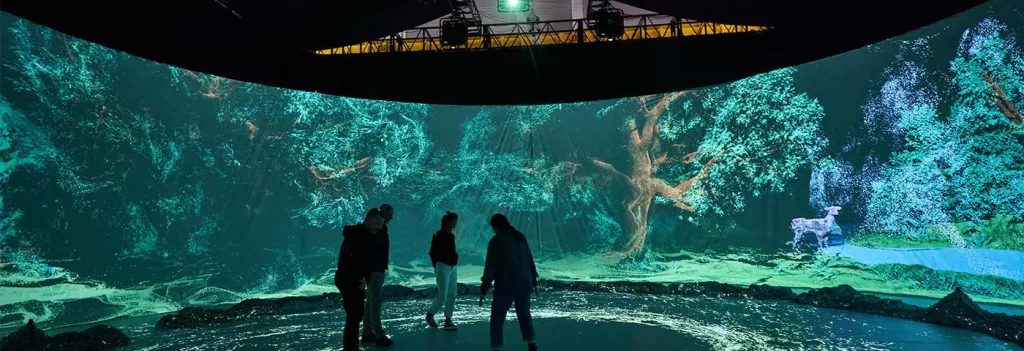
Almoço (12h00): As telas exibem cenas suaves e naturais da floresta e luz solar ambiente para criar uma atmosfera de jantar calma e orgânica.
Hora do coquetel (18h00): A “pele” da sala muda para uma textura metálica sofisticada com animações de ouro líquido em movimento lento, elevando o valor percebido das bebidas.
Tarde da noite (22h): Os cubos sincronizam-se com a música, transformando-se em esculturas de luz pulsante e de alto contraste para um clima de festa lounge.
O Showroom do Futuro
Em um showroom de automóveis ou em uma boutique de moda, displays de outdoor LED modulares para ambientes internos permitir que o fundo corresponda ao produto específico em exibição. Se um cliente estiver olhando para um SUV off-road, a sala se tornará uma cordilheira acidentada. Se mudarem para um sedã de luxo, os cubos mudam para um cenário urbano minimalista e de alta costura. Esse nível de personalização aumenta o envolvimento do consumidor e as taxas de conversão.
4. Transformando Despesas de Capital (CAPEX) em Ativos Cênicos
Tradicionalmente, o dinheiro gasto em design de interiores é um “custo irrecuperável” – ele se deprecia com o tempo. As instalações modulares de LED invertem essa lógica, transformando o interior em um ativo digital.
Conteúdo como a nova moeda
Quando você possui uma infraestrutura LED modular, sua “decoração” é essencialmente um arquivo digital. As marcas podem colaborar com artistas digitais para criar “skins” ou experiências de marca exclusivas. Isso permite que um local monetize suas paredes hospedando “pop-ups digitais” para marcas parceiras, criando efetivamente um novo fluxo de receita por meio do espaço de mídia.
Sustentabilidade através da Longevidade Digital
Os cubos modulares de LED reduzem o desperdício ambiental associado à constante redecoração. Em vez de descartar materiais físicos como madeira, plástico ou tecido toda vez que uma marca atualiza seu visual, o proprietário simplesmente atualiza o software. Esta “Renovação com Desperdício Zero” alinha-se com os objetivos globais de sustentabilidade, ao mesmo tempo que proporciona uma estética superior.
5. Sinergia Técnica: Integração Sensorial além da Visão
Para realmente alcançar um “Espaço Programável”, o displays de outdoor LED para ambientes internos deve funcionar em harmonia com outros sensores ambientais.
Resposta interativa: Os cubos modulares de LED podem ser equipados com sensores de movimento. À medida que um cliente passa por um pilar digital, o conteúdo “reage” – ondulando como água ou mudando de cor com base na proximidade.
Sincronização de iluminação: Ao utilizar protocolos DMX, os cubos podem ditar o comportamento da iluminação ambiente da sala. Quando o conteúdo do LED fica “Azul Oceano”, os holofotes inteligentes na sala ajustam sua temperatura para corresponder, criando uma “bolha” imersiva de 360 graus.
Emparelhamento acústico: O software moderno de troca de cena permite que o sistema de áudio altere as listas de reprodução simultaneamente com a “reskinning” visual, garantindo uma experiência sensorial coerente.
6. Implementação Estratégica: Melhores Práticas para Espaços Comerciais
A implementação de uma estratégia LED modular requer mais do que apenas comprar telas; requer um plano estrutural.
Seleção de densidade de pixel: Para ambientes internos onde os clientes estão próximos às telas, uma pequena distância entre pixels (por exemplo, P1.5 a P2.5) é essencial para garantir que as imagens permaneçam nítidas e não pareçam “pixeladas”.
Facilidade de manutenção: Os cubos modulares devem apresentar acesso “Front-Service”. Isso permite que os técnicos troquem um único módulo sem desmontar toda a estrutura, garantindo que a empresa nunca sofra “tempo de inatividade visual” não planejado.
Sistema de gerenciamento de conteúdo (CMS): Um CMS robusto baseado em nuvem é o “cérebro” de um espaço programável. Deve ser intuitivo o suficiente para que um gerente de restaurante mude de cenário através de um tablet ou smartphone.
7. Conclusão: O Espaço Físico como Tela Viva
A integração de displays de outdoor LED modulares para ambientes internos marca o fim da “era estática” para interiores comerciais. Ao abraçar a modularidade e a fluidez digital, restaurantes, showrooms e espaços de arte podem transcender as suas fronteiras físicas.
A capacidade “One-Click Reskinning” transforma uma sala em uma tela viva que se adapta à hora do dia, ao tipo de evento ou ao humor do cliente. Essa tecnologia garante que um negócio nunca fique “datado”, mas sim em constante evolução. No futuro do retalho e da hotelaria, os espaços de maior sucesso não serão aqueles que forem construídos de forma mais robusta, mas sim aqueles que forem programados de forma mais inteligente. Um cubo LED modular não é apenas uma tela; é uma porta de entrada para infinitas possibilidades atmosféricas.