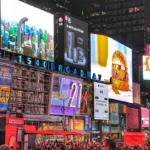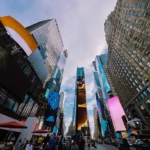
No coração das cidades modernas, a arquitetura digital molda agora a experiência pública.
No entanto, as telas LED externas de alta potência devem equilibrar atração e responsabilidade. Durante a intensa luz do dia, funcionam como ímãs visuais que preservam o impacto comercial. No entanto, após o pôr do sol, eles devem se transformar em vizinhos atenciosos na paisagem noturna urbana. Caso contrário, o brilho insuficiente enfraquece o valor, enquanto o excesso de intensidade causa poluição luminosa e fadiga visual.
Para resolver este conflito, a última geração de displays LED modulares incorpora um “Sistema Global de Percepção de Luz Ambiente”. Esta tecnologia permite que uma tela execute uma transição contínua e contínua de um brilho máximo de 10.000 lêndeas até um suave 500 lêndeas. Ao integrar módulos de detecção distribuídos com modulação inteligente por largura de pulso (PWM), essas telas alcançam um “equilíbrio de ouro” entre visibilidade impressionante e respeito ao meio ambiente. Este artigo explora a engenharia por trás deste escurecimento inteligente e como ele eleva a imagem pública de uma marca através da responsabilidade tecnológica.
1. O desafio dos ambientes variáveis: por que o brilho estático falha
A sinalização digital tradicional geralmente opera com uma programação de brilho fixa. No entanto, o clima é imprevisível e as estações mudam o horário do amanhecer e do anoitecer.
O efeito “desbotamento” do meio-dia
Em um dia claro, a luz solar ambiente pode exceder 100.000 lux. Para cortar esse brilho, um tela LED para publicidade externa requer um mínimo de 7.000 a 10.000 nits para manter o alto contraste. Sem este “poder deslumbrante”, a mensagem da marca parece desbotada e pouco profissional, desperdiçando o investimento no espaço mediático.
O problema do “brilho” da meia-noite
À noite, a pupila humana se dilata para captar mais luz. Uma tela de 10.000 nits funcionando com potência máxima no escuro não é apenas irritante; é um risco à segurança dos motoristas e uma fonte de reclamações para os apartamentos próximos. Além disso, funcionar com brilho excessivo durante a noite desperdiça milhares de dólares em eletricidade e acelera o envelhecimento térmico das esferas de LED.

2. Sensoriamento Distribuído de Luz: O “Sistema Nervoso” da Tela
O Sistema Global de Percepção de Luz Ambiente substitui um sensor único e centralizado por um rede de detecção distribuída.
Coleta de dados multiponto
Em vez de depender de um sensor que pode ser bloqueado por um pássaro ou pela sombra de uma árvore próxima, profissional displays LED modulares utilize múltiplas sondas sensíveis à luz instaladas em diferentes orientações (superior, laterais e inferior).
Ação: Esses sensores capturam um mapa de 360 graus da luminância do ambiente.
Efeito: O sistema calcula uma média ponderada da luz ambiente, evitando “cintilação” causada por sombras temporárias ou pela passagem dos faróis dos carros. Isto garante que a transição de escurecimento seja tão suave que seja imperceptível ao olho humano.
3. Tecnologia de dimerização contínua: a jornada de 10.000 a 500 Nit
O núcleo da “Inteligência” reside em como o sistema traduz os dados do sensor em saída física de LED.
O poder dos drivers PWM de alto cinza
Para obter uma saída suave de 500 nits sem sacrificar a profundidade da cor, o displays LED modulares utilizam ICs de driver PWM (modulação por largura de pulso) de alta taxa de atualização.
Luz solar direta (10.000 lêndeas): O sistema maximiza os ciclos de corrente e de trabalho para garantir que o equilíbrio de branco permaneça puro e que a imagem permaneça “arregalada”, mesmo sob exposição direta aos raios UV.
Nublado/Crepúsculo (2.000–4.000 Nits): À medida que as nuvens se acumulam, o sistema inicia uma redução “contínua”. Esta não é uma queda repentina de estágios, mas uma curva gradual que mantém as características de “High Dynamic Range” (HDR) da tela.
Tarde da noite (500 lêndeas): Na configuração mais baixa, os ICs do driver devem manter uma escala de cinza alta (geralmente 14 ou 16 bits). Isso garante que mesmo com 5% do brilho máximo, os gradientes no conteúdo do vídeo permaneçam suaves, evitando a aparência “pixelada” ou “blocada” que assola telas inferiores com baixo consumo de energia.
4. A sinergia entre “inteligente” e “verde”: além do desempenho visual
Implementar um sistema global de percepção de luz ambiente envolve tanto responsabilidade social corporativa (RSE) pois se trata de qualidade visual.
Economia drástica de energia
Executar uma tela de 10.000 nits 24 horas por dia, 7 dias por semana, é um desastre ecológico. Ao diminuir automaticamente para 500 nits à noite, uma marca pode reduzir o consumo de energia da tela em até 60% a 75% durante as horas da noite.
Gerenciamento Térmico: Menor brilho significa menos calor. Isto reduz a carga nas ventoinhas de arrefecimento internas, poupando ainda mais energia e prolongando significativamente a vida útil dos módulos LED.
Certificação Verde: Para desenvolvedores que buscam certificação LEED ou outras certificações ambientais, o “Smart Dimming” é um recurso obrigatório para fachadas digitais.
Reduzindo a poluição luminosa urbana
Em muitas cidades de Nível 1, novos regulamentos limitam estritamente a “Candela por Metro Quadrado” (Nits) permitida após as 22h. Uma tela equipada com percepção inteligente de luz garante que a marca permaneça em conformidade com as legislações locais de forma automática, evitando pesadas multas e desligamentos forçados.
5. Protegendo o “brilho da marca”: consistência em toda a rede
Para marcas que gerenciam vários locais, o Sistema Global de Percepção de Luz Ambiente garante que cada painel de exibição LED modular na cidade parece idêntico.
Calibração Unificada: Independentemente de uma tela estar em uma praça ensolarada e outra em um beco sombreado, o sistema inteligente ajusta cada tela individualmente para que o “brilho percebido” pelo consumidor permaneça consistente.
Preservação de conteúdo: O sistema inclui um algoritmo de “compensação de temperatura de cor”. À medida que a tela escurece, o sistema altera sutilmente o equilíbrio de cores para garantir que as cores da “Identidade Corporativa” da marca (como vermelho ou azul específico) permaneçam precisas sob diferentes temperaturas de luz ambiente.
6. Conclusão: Um Ambiente Visual em Harmonia
O “Sistema Global de Percepção de Luz Ambiente” representa o amadurecimento da indústria de sinalização digital. Estamos nos afastando das telas que simplesmente “gritam” com o público e em direção às telas que “conversam” com o ambiente.
Ao dominar a transição de 10.000 lêndeas (para dominância do meio-dia) para 500 lêndeas (para amizade noturna), os painéis LED modulares oferecem uma solução total para as cidades modernas. Eles oferecem o maior ROI possível para os anunciantes, ao mesmo tempo que demonstram o compromisso da marca com a segurança pública, a sustentabilidade ambiental e a elegância visual. No futuro das cidades inteligentes, os ecrãs de maior sucesso não serão apenas os mais brilhantes – serão os mais inteligentes.