Producțiile în turneu depășesc continuu limitele imaginilor live. Pe măsură ce concertele globale, festivalurile și evenimentele în turnee se extind în amploare și ambiție, echipamentul care susține aceste spectacole trebuie să evolueze, de asemenea. In consecinta, display-uri LED pentru turism au suferit o transformare remarcabilă. Călătoria lor de la cadre grele și rigide din oțel la structuri de magneziu ultra-ușoare reflectă progresul profund al ingineriei. Această evoluție dezvăluie modul în care știința materialelor, designul mecanic și fluxurile de lucru de producție se intersectează pentru a susține cerințele moderne de divertisment. Deoarece mediile de turism provoacă fiecare componentă, aceste inovații definesc fiabilitatea și performanța așteptate astăzi.
Regândirea greutății în afișajele LED Touring-Grade
Panourile de afișare cu LED-uri timpurii se bazau pe rame din oțel sau din aluminiu convențional. La acea vreme, integritatea structurală conta mai mult decât greutatea. Cu toate acestea, echipajele de turneu s-au confruntat rapid cu limitări semnificative. Panourile grele au limitat flexibilitatea montajului. De asemenea, au crescut timpul de instalare și costurile de transport. Pe măsură ce turele au devenit mai complexe, greutatea a devenit un obstacol principal. Deoarece echipajele necesitau o instalare mai rapidă și o manipulare mai sigură, reducerea greutății a devenit o prioritate.
Aceste presiuni au remodelat în cele din urmă filosofia de design. Inginerii au început să reconsidere fiecare element al construcției panourilor. În loc să se bazeze pe materiale tradiționale, au explorat aliaje ușoare care ofereau rezistență similară cu masă redusă. În consecință, aliajele de magneziu au apărut ca soluție ideală. Raportul rezistență-greutate le-a făcut potrivite pentru condițiile solicitante ale display-uri LED pentru turism.
Impactul ramelor ultra-ușoare de magneziu
Ramele din magneziu au transformat piața LED-urilor de turism. Masa lor redusă a permis echipajelor să mute panourile mai eficient. Ca rezultat, pereții cu LED-uri la scară largă ar putea fi construiți mai rapid, cu mai puțini lucrători. Aceste îmbunătățiri au redus semnificativ intensitatea muncii. De asemenea, au sporit siguranța, deoarece panourile mai ușoare au redus riscul de răni de tensiune.
În plus, cadrele din magneziu au îmbunătățit durabilitatea structurală. Deși magneziul cântărește mai puțin decât aluminiul, oferă o rigiditate excepțională. Această rigiditate sprijină alinierea consecventă a panourilor. În mediile de turism, asamblarea repetată poate stresa cadrele mai slabe. Cu toate acestea, magneziul rezistă la deformare, chiar și după sute de cicluri de instalare. În consecință, geometria panoului rămâne stabilă.
În plus, magneziul îmbunătățește disiparea căldurii. Afișajele LED de calitate pentru turism generează căldură continuă în timpul spectacolelor lungi. Managementul termic eficient prelungește durata de viață a componentelor. Deoarece magneziul conduce eficient căldura, ajută la reglarea temperaturii panoului. Acest avantaj contribuie la o fiabilitate mai mare. De asemenea, permite afișajelor să funcționeze cu încredere în medii provocatoare.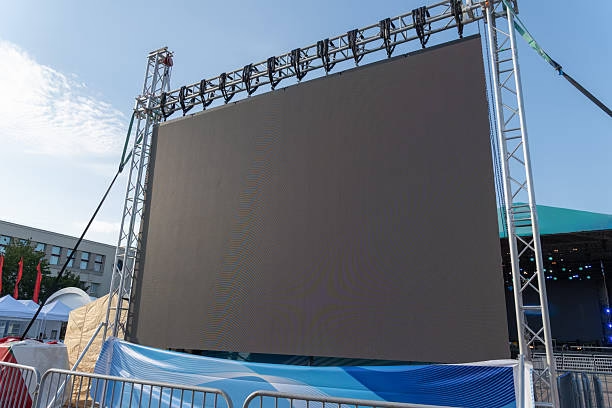
Sisteme modulare de inginerie pentru fluxuri de lucru de turism mai rapide
Afișajele LED moderne de tip touring depind de inginerie modulară. Sistemele anterioare nu aveau fluxuri de lucru eficiente. Panourile grele aveau nevoie de instrumente complexe pentru instalare. Sistemele lor de blocare necesitau uneori mai mulți operatori. Deoarece tururile funcționează pe un program strâns, aceste întârzieri au cauzat eșecuri semnificative.
Panourile LED de turism pe bază de magneziu au introdus mecanisme avansate de blocare. Aceste încuietori acceptă conexiuni rapide chiar și în condiții de lumină scăzută în culise. Echipajele aliniază și asigură panourile cu efort minim. În plus, sistemele fără unelte permit operatorilor să asambleze rapid pereții fără hardware suplimentar.
Aceste îmbunătățiri permit designerilor să creeze configurații de scenă mai ambițioase. Pereții curbați, tavanele și structurile dinamice devin mai ușor de instalat. În plus, panourile se conectează mai sigur, reducând vibrațiile în timpul transportului sau evenimentelor live. În consecință, stabilitatea vizuală crește. Deoarece ingineria modulară se îmbină bine cu materialele ușoare, cadrele din magneziu permit un nivel de flexibilitate pe care modelele anterioare nu l-au putut oferi.
Consolidarea siguranței montajului cu structuri ușoare
Siguranța montajului rămâne o prioritate de top în mediile de turism. Structurile cu LED-uri grele tensionează ferme, palanuri și puncte de montare. Această tulpină crește riscurile de siguranță. Prin urmare, reducerea greutății devine esențială atât pentru siguranța echipajului, cât și pentru fiabilitatea structurală. Cadrele din magneziu reduc semnificativ sarcina asupra sistemelor de tachelaj.
Greutatea redusă permite, de asemenea, proiectanților să construiască configurații LED mai mari fără a depăși limitele structurale. Deoarece excursiile folosesc adesea instalații temporare, aceste limite contează. Cadrele LED cu magneziu susțin design-uri vizuale grandioase, fără a compromite siguranța.
În plus, structurile mai ușoare suportă timpi mai rapidi de încărcare și încărcare. Echipajele petrec mai puțin timp pentru a muta echipamentele în poziție. Acest avantaj reduce costurile de închiriere a locației. De asemenea, minimizează stresul din ziua spectacolului. Deoarece programele de turnee rămân strânse, orice eficiență oferă beneficii măsurabile.
Îmbunătățirea tehnică rutieră și durabilitatea pe termen lung
Afișaje LED pentru turism experimentați o mișcare constantă. Panourile călătoresc prin țări în camioane, containere și containere de zbor. Acest transport continuu îi expune la vibrații, impacturi și schimbări de temperatură. Prin urmare, durabilitatea echipamentului devine un factor definitoriu.
Ramele din magneziu depășesc materialele mai vechi în aceste condiții. Structura lor rigidă rezistă la îndoire. Caracteristicile lor de absorbție reduc transferul șocurilor către modulele LED interne. Ca rezultat, afișajele rămân funcționale chiar și după cicluri lungi de călătorie.
În plus, magneziul rezistă la coroziune mai bine decât oțelul. Mediile de turnee includ adesea festivaluri în aer liber în care umiditatea, umezeala și praful creează condiții dure. Deoarece magneziul rezistă la schimbările de mediu, protejează mai eficient componentele interne.
Producătorii proiectează și panouri de turism din magneziu cu colțuri întărite. Aceste puncte de întărire reduc daunele în timpul stivuirii. În consecință, panourile durează mai mult. Această durabilitate reduce costul total de proprietate pentru furnizorii de închiriere. De asemenea, asigură performanțe consistente pentru ani de turnee.
Îmbunătățirea calității vizuale printr-o mai bună stabilitate mecanică
Precizia vizuală joacă un rol important în producțiile în turneu. Panourile trebuie să se alinieze perfect pentru a crea suprafețe uniforme. Orice abatere perturbă calitatea vizuală. Cadrele grele se schimbă adesea în timpul transportului sau asamblarii. Aceste schimbări creează lacune sau inconsecvențe.
Ramele din magneziu mențin mai bine forma datorită rigidității lor. Această stabilitate asigură o aliniere perfectă între panouri. Ca rezultat, afișajele LED de calitate pentru turism oferă imagini mai precise.
Stabilitatea mecanică îmbunătățește, de asemenea, consistența calibrării. Panourile își păstrează profilurile de calibrare originale mai mult timp. În consecință, operatorii petrec mai puțin timp corectând variațiile de culoare sau inconsecvențele de luminozitate.
În plus, cadrele stabile reduc la minimum vibrațiile în timpul funcționării. Etapele de turneu experimentează o energie puternică de joasă frecvență de la difuzoare. Structurile de magneziu rezistă acestor vibrații. Prin urmare, durata de viață a panoului crește. De asemenea, performanța vizuală rămâne neafectată în timpul spectacolelor cu energie ridicată.
Îmbunătățiri ale managementului termic și stabilitatea performanței
Afișajele LED de turism funcționează ore lungi. În consecință, stabilitatea termică devine esențială. Căldura excesivă afectează durata de viață a LED-urilor, performanța driverului și ieșirea de culoare. Ramele din magneziu susțin controlul termic mai eficient decât materialele convenționale.
Because magnesium dissipates heat efficiently, it helps regulate internal temperatures. Better heat flow reduces stress on LEDs. This advantage improves reliability during long shows. It also enhances viewing consistency. Brightness and color shifts remain minimal because modules operate within optimal temperatures.
Furthermore, stable thermal performance supports extended use in outdoor conditions. Heat dissipation matters significantly when panels face direct sunlight. Magnesium frames slow heat buildup. As a result, panels maintain performance even during high-temperature shows.
Evolving Aesthetics and Design Flexibility
Pe măsură ce imaginile de turneu evoluează, scenografii caută mai multă flexibilitate. Au scopul de a construi medii imersive. Aceste medii includ ecrane curbate, structuri tridimensionale și elemente LED suspendate. Ramele grele au limitat aceste modele.
Structurile de magneziu, totuși, permit libertate creativă ușoară. Deoarece materialul reduce greutatea panoului, designerii pot poziționa modulele LED în unghiuri neconvenționale. De asemenea, le pot suspenda în forme pe care sistemele anterioare nu le puteau suporta în siguranță.
În plus, magneziul permite profile mai subțiri ale cadrului. Panourile mai subțiri par mai moderne. Ele permit, de asemenea, curbe concave și convexe mai strânse. Aceste curbe creează suprafețe vizuale continue care îmbunătățesc expresia creativă.
Pe măsură ce publicul solicită imagini mai dinamice, aceste avantaje de design susțin următoarea generație de afișaje LED pentru turism.
Accent crescând pe practicile de turism durabil
Sustenabilitatea contează din ce în ce mai mult în industria divertismentului. Tururile consumă energie și resurse semnificative. Echipamentele grele cresc încărcătura camioanelor, consumul de combustibil și emisiile de carbon. Prin urmare, afișajele LED ușoare pentru turism oferă beneficii de durabilitate.
Ramele din magneziu reduc greutatea totală de transport. Greutate mai mică înseamnă mai puține camioane sau volume de încărcare reduse. Această reducere duce la economii semnificative de energie. În plus, sistemele eficiente de ambalare permit mai multor panouri să se potrivească într-o singură carcasă. Deoarece transportul reprezintă o mare parte a emisiilor de turism, aceste economii devin valoroase.
În plus, magneziul necesită mai puțină energie de procesare decât oțelul. Pe măsură ce știința materialelor avansează, producția de magneziu continuă să se alinieze obiectivelor de durabilitate. Prin urmare, trecerea către ramele de magneziu se aliniază cu eforturile globale de reducere a impactului asupra mediului.
Progrese tehnologice care sprijină panourile ultra-ușoare
Ramele de magneziu reprezintă mai mult decât o schimbare de material. Ele reflectă, de asemenea, progrese în inginerie structurală, metode de producție și proiectarea modulelor LED. Ecranele LED de calitate pentru turism integrează acum:
turnare sub presiune de înaltă precizie
arhitectură internă fără cabluri
sisteme de închidere întărite
putere integrată și redundanță de date
module ușoare cu structuri stabile de pixeli
Aceste inovații susțin atât performanța, cât și capacitatea de utilizare. Deoarece evoluția materialelor se asociază cu inovația inginerească, sistemele LED de turneu ating niveluri de performanță pe care sistemele mai vechi nu le-ar putea atinge.
Producătorii au introdus, de asemenea, opțiuni de înaltă rezoluție cu pas fin pentru aplicații de turneu. Anterior, turneul afișează luminozitatea și robustețea prioritară față de densitatea pixelilor. Cu toate acestea, stabilitatea magneziului permite pixelilor cu pas fin să supraviețuiască condițiilor de turneu.
În consecință, producțiile pot livra acum imagini de calitate pentru difuzare chiar și în medii în aer liber la scară largă.
De ce magneziul a devenit punctul de referință pentru sistemele de turism
Deși aluminiul rămâne obișnuit, magneziul a devenit reperul pentru afișajele cu LED-uri de turism. Această schimbare a avut loc din mai multe motive:
Magneziul oferă o reducere superioară a greutății
Mentine o rigiditate exceptionala
Îmbunătățește managementul termic
Suportă structuri de blocare mai puternice
Rezistă la condiții mai dure de tur
Aceste caracteristici cresc în mod colectiv performanța. De asemenea, reduc costurile de închiriere pe termen lung. Deoarece companiile de închiriere apreciază durabilitatea, magneziul oferă o rentabilitate semnificativă.
Mai mult, panourile de magneziu se stivuesc mai eficient. Greutatea lor redusă permite structuri mai înalte fără a depăși limitele de sarcină. În consecință, fundalurile LED mari din stadioane și arene beneficiază foarte mult de cadrele din magneziu.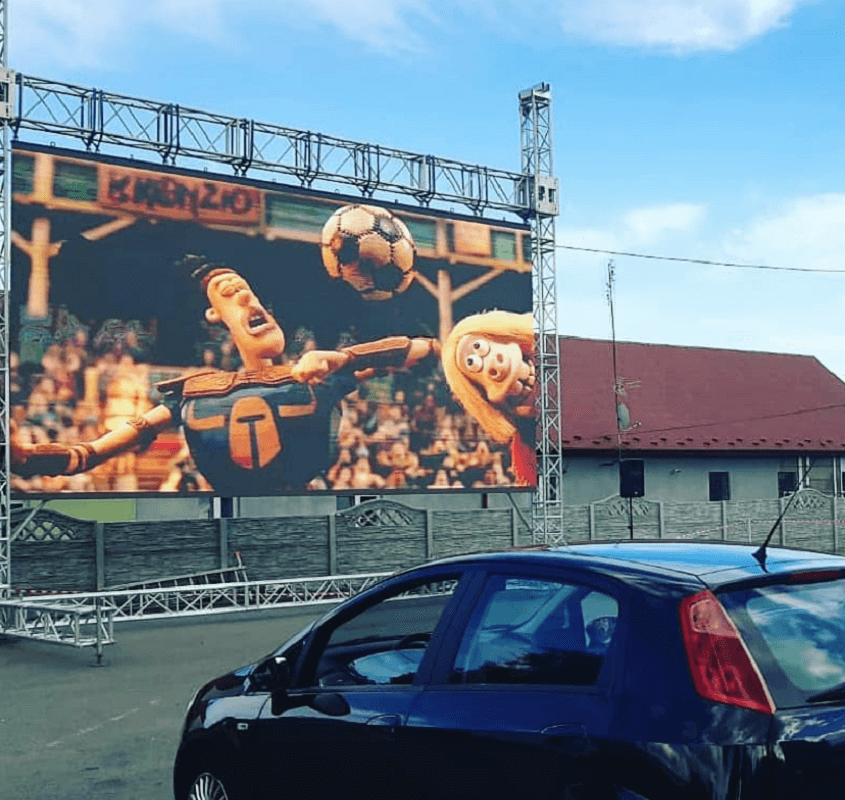
Viitorul lui Afișaje LED de calitate pentru turism
Tehnologia de turism continuă să evolueze. Producătorii explorează materiale compozite care combină magneziu cu fibră de carbon. Aceste combinații pot reduce și mai mult greutatea, crescând în același timp rezistența.
În plus, integrarea modulară se va îmbunătăți. Panourile pot include senzori de aliniere inteligenți pentru o calibrare perfectă. De asemenea, pot adopta transferuri wireless de date, reducând cablarea internă.
Managementul termic va progresa, de asemenea. Noile acoperiri și modele structurale vor reduce absorbția de căldură. Deoarece spectacolele în aer liber necesită luminozitate ridicată, controlul termic îmbunătățit va susține o durată de viață mai lungă.
În cele din urmă, evoluția display-uri LED pentru turism va acorda prioritate eficienței, siguranței și flexibilității creative. Ramele din magneziu reprezintă un pas major, dar materialele viitoare vor depăși limitele și mai departe.
Concluzie
Evoluția afișajelor LED de calitate pentru turism reflectă intersecția dintre inginerie, design și cerințele din lumea reală. Panourile grele din oțel au dominat cândva industria. Cu toate acestea, presiunile turneului au forțat inovația. Ramele din magneziu au apărut ca soluție pentru limitările de greutate, provocările fluxului de lucru și riscurile structurale. Puterea, ușurința, performanța termică și durabilitatea lor le fac ideale pentru mediile moderne de turism.
Deoarece producțiile de turneu continuă să crească în amploare și complexitate, ingineria ușoară va modela următorul deceniu de dezvoltare a LED-urilor. Ramele din magneziu au pus bazele acestui progres. Acestea îmbunătățesc siguranța echipajului, susțin designul creativ, sporesc eficiența și oferă fiabilitate pe termen lung. Drept urmare, afișajele LED de calitate pentru turnee funcționează acum la un nivel pe care generațiile anterioare nu l-au putut atinge.