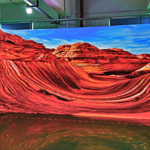
În „Economia experienței” modernă, limitările fizice ale arhitecturii comerciale sunt contestate de fluiditatea digitală. Pentru sectoarele ospitalității și retailului, modelul tradițional de „renovare statică” – în care un spațiu este proiectat pentru un singur scop și rămâne neschimbat ani de zile – devine învechit. Astăzi, un loc trebuie să fie un restaurant ziua, un lounge plin de energie pe timp de noapte și o galerie de artă captivantă sau o platformă de lansare a produselor până în weekend.
Catalizatorul tehnologic al acestei transformări este display-uri LED modulare de interior în formate modulare. Utilizând cuburi LED modulare și unități geometrice, proprietarii de afaceri pot crea „Spatii programabile”. Această evoluție permite „One-Click Reskinning”, transformând o investiție interioară unică într-un „Activ de scenă” dinamic, care generează interes recurent al consumatorilor. Acest articol explorează modul în care tehnologia LED modulară redefinește versatilitatea comercială și potențialul de venituri.
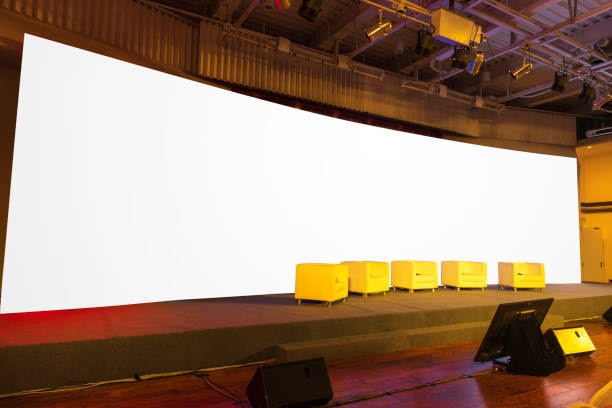
1. Moartea renovării statice: creșterea rentabilității investiției bazate pe experiență
Timp de decenii, ROI (Return on Investment) al unui spațiu comercial a fost legat de durabilitatea decorului acestuia. Cu toate acestea, în era rețelelor sociale și a ciclurilor rapide ale tendințelor de consum, „permanența” a devenit o responsabilitate. Un restaurant cu o temă statică își poate pierde „Instagramabilitatea” în decurs de șase luni.
De la decor fix la active fluide
Display-uri LED modulare pentru interior au trecut de la a fi simple ecrane de informații la a deveni însăși „pielea” clădirii. Prin înlocuirea tapetului tradițional, a vopselei sau a elementelor de recuzită fizice cu cuburi LED modulare, proprietarul unei locații câștigă capacitatea de a reprograma atmosfera fără a fi închis pentru construcție. Această schimbare reduce „oboseala de renovare” și permite afacerii să rămână relevantă pe o piață în mișcare rapidă.
Mentalitatea „abonamentului”.
Imaginați-vă un showroom care „abona” la diferite estetici sezoniere. Primăvara, pereții înfloresc cu flori de cireș digital; iarna, se transformă într-un palat de gheață futurist. Unitățile LED modulare fac posibil acest model „Scene Subscription”, asigurând că prima vizită și a zecea vizită a clientului sunt la fel de noi.
2. Geometrie modulară: cuburi, triunghiuri și arta reconfigurarii
Puterea tehnologiei moderne LED constă în ea modularitatea. Spre deosebire de ecranele plate tradiționale, cuburile LED modulare permit integrarea arhitecturală tridimensională.
Spargerea barierei 16:9
Majoritatea afișajelor comerciale sunt limitate la formatul dreptunghiular standard. Cu toate acestea, unitățile modulare depășesc aceste limite. Designerii pot stivui cuburi pentru a crea stâlpi digitali, îi pot suspenda ca candelabre strălucitoare sau le pot împrăștia pe un tavan pentru a simula un cer fragmentat. Această flexibilitate structurală asigură că display-uri LED de interior să completeze identitatea unică a mărcii, mai degrabă decât să o dicteze.
Instalare rapidă și conectivitate fără întreruperi
Sistemele modulare moderne utilizează mecanisme „Quick-Lock” și ponturi de date fără fir. Aceasta înseamnă că o galerie își poate reconfigura aspectul de afișare în câteva ore. Deoarece fiecare cub este o unitate independentă, dar sincronizată, conținutul digital curge perfect prin forme 3D complexe, menținând claritatea de înaltă rezoluție din orice unghi de vizualizare.
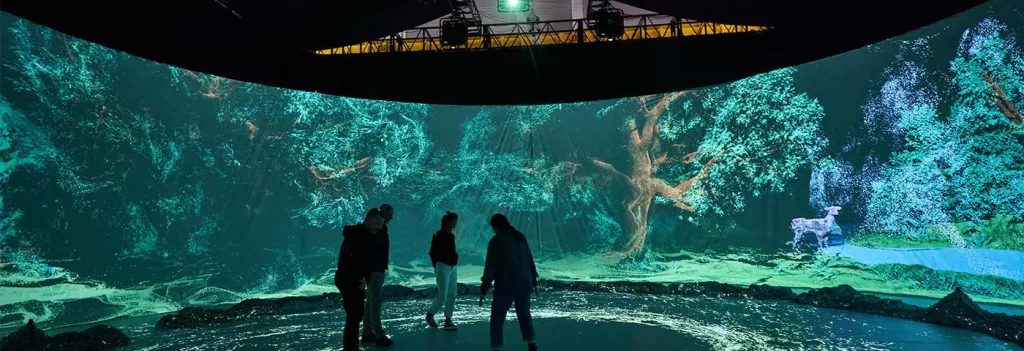
3. „One-Click Reskinning”: caracterul practic al comutării scenei
Termenul „One-Click Reskinning” se referă la capacitatea unui sistem de control centralizat de a revizui întregul mediu vizual printr-o singură comandă software.
Studiul de caz al restaurantelor cu scop polivalent
Un restaurant de ultimă generație poate utiliza cuburi LED modulare pentru a gestiona tranziția „de la zi la noapte”:
Prânz (12:00): Ecranele afișează scene naturale de pădure și lumina ambientală a soarelui pentru a crea o atmosferă calmă și organică de luat masa.
Ora de cocktail (18:00): „Pielea” camerei trece la o textură metalică sofisticată cu animații de aur lichid care se mișcă lentă, ridicând valoarea percepută a băuturilor.
Noaptea târziu (22:00): Cuburile se sincronizează cu muzica, transformându-se în sculpturi de lumină pulsatorie, cu contrast ridicat, pentru o atmosferă de petrecere în lounge.
Showroom-ul viitorului
Într-un showroom auto sau într-un butic de modă, display-uri LED modulare de interior permite ca fundalul să se potrivească cu produsul specific afișat. Dacă un client se uită la un SUV off-road, camera devine un lanț muntos accidentat. Dacă se mută la un sedan de lux, cuburile trec pe un fundal urban minimalist, la modă. Acest nivel de personalizare crește implicarea consumatorilor și ratele de conversie.
4. Transformarea cheltuielilor de capital (CAPEX) în active de scenă
În mod tradițional, banii cheltuiți pentru amenajarea interioară sunt „cost nerecuperat” – se depreciază în timp. Instalațiile LED modulare schimbă această logică transformând interiorul într-un activ digital.
Conținutul ca monedă nouă
Când dețineți o infrastructură LED modulară, „decorul” este în esență un fișier digital. Mărcile pot colabora cu artiști digitali pentru a crea „skin-uri” exclusive sau experiențe de marcă. Acest lucru permite unui loc să-și monetizeze zidurile găzduind „fer-uri pop-up digitale” pentru mărcile partenere, creând efectiv un nou flux de venituri prin spațiul media.
Sustenabilitate prin longevitate digitală
Cuburile LED modulare reduc risipa de mediu asociată cu re-decorarea constantă. În loc să arunce materiale fizice precum lemnul, plasticul sau materialul de fiecare dată când o marcă își reîmprospătează aspectul, proprietarul pur și simplu actualizează software-ul. Această „Renovare fără deșeuri” se aliniază cu obiectivele globale de sustenabilitate, oferind în același timp o estetică superioară.
5. Sinergia tehnică: Integrarea senzorială dincolo de vedere
Pentru a obține cu adevărat un „Spațiu programabil”, display-uri LED de interior trebuie să funcționeze în armonie cu alți senzori de mediu.
Răspuns interactiv: Cuburile LED modulare pot fi echipate cu senzori de mișcare. Pe măsură ce un client trece pe lângă un pilon digital, conținutul „reacționează” – ondulandu-se ca apa sau schimbându-și culoarea în funcție de proximitatea lor.
Sincronizarea luminii: Folosind protocoale DMX, cuburile pot dicta comportamentul luminii ambientale a camerei. Când conținutul LED devine „Ocean Blue”, reflectoarele inteligente din cameră își ajustează temperatura pentru a se potrivi, creând o „bulă” imersivă la 360 de grade.
Împerecherea acustică: Software-ul modern de schimbare a scenei permite sistemului audio să schimbe listele de redare simultan cu „rejupeul” vizual, asigurând o experiență senzorială coerentă.
6. Implementare strategică: Cele mai bune practici pentru spațiile comerciale
Implementarea unei strategii LED modulare necesită mai mult decât cumpărarea de ecrane; necesită un plan structural.
Selectarea înălțimii pixelilor: Pentru mediile interioare în care clienții sunt aproape de ecrane, un pas mic al pixelilor (de exemplu, de la P1,5 la P2,5) este esențial pentru a se asigura că imaginile rămân clare și nu arată „pixelate”.
Ușurință de întreținere: Cuburile modulare ar trebui să aibă acces „Front-Service”. Acest lucru le permite tehnicienilor să schimbe un singur modul fără a demonta întreaga structură, asigurându-se că afacerea nu se confruntă niciodată cu „timp de nefuncționare vizuală” neplanificat.
Sistem de management al conținutului (CMS): Un CMS robust, bazat pe cloud este „creierul” unui spațiu programabil. Trebuie să fie suficient de intuitiv pentru ca un manager de restaurant să schimbe o scenă prin intermediul unei tablete sau smartphone.
7. Concluzie: Spațiul fizic ca pânză vie
Integrarea lui display-uri LED modulare de interior marchează sfârșitul „erei statice” a interioarelor comerciale. Îmbrățișând modularitatea și fluiditatea digitală, restaurantele, showroom-urile și spațiile de artă își pot transcende granițele fizice.
Capacitatea „One-Click Reskinning” transformă o cameră într-o pânză vie care se adaptează la momentul zilei, tipul de eveniment sau starea de spirit a clientului. Această tehnologie asigură că o afacere nu este niciodată „învechită”, ci mai degrabă în continuă evoluție. În viitorul retailului și al ospitalității, cele mai de succes spații nu vor fi cele care sunt construite cel mai puternic, ci cele care sunt programate cel mai inteligent. Un cub LED modular nu este doar un ecran; este o poartă către infinite posibilități atmosferice.