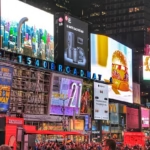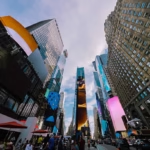
În inima orașelor moderne, arhitectura digitală modelează acum experiența publică.
Cu toate acestea, ecranele LED de exterior de mare putere trebuie să echilibreze atracția și responsabilitatea. În timpul zilei intense, aceștia funcționează ca magneți vizuali care păstrează impactul comercial. Cu toate acestea, după apusul soarelui, trebuie să devină vecini atenți în peisajul nocturn urban. În caz contrar, luminozitatea insuficientă slăbește valoarea, în timp ce intensitatea excesivă provoacă poluare luminoasă și oboseală vizuală.
Pentru a rezolva acest conflict, ultima generație de display-uri LED modulare încorporează un „sistem global de percepție a luminii ambientale”. Această tehnologie permite unui ecran să execute o tranziție fără întreruperi, fără trepte, de la o luminozitate maximă de 10.000 de nit până la un moale 500 nits. Prin integrarea modulelor de detectare distribuite cu modulație inteligentă a lățimii pulsului (PWM), aceste ecrane realizează un „echilibru de aur” între vizibilitate izbitoare și respectarea mediului. Acest articol explorează ingineria din spatele acestei diminuări inteligente și modul în care ridică imaginea publică a unei mărci prin responsabilitatea tehnologică.
1. Provocarea mediilor variabile: de ce eșuează luminozitatea statică
Semnalizarea digitală tradițională funcționează adesea pe un program fix de luminozitate. Cu toate acestea, vremea este imprevizibilă, iar anotimpurile schimbă timpul de zori și amurg.
Efectul „Washout” la amiază
Într-o zi senină, lumina ambientală poate depăși 100.000 de lux. Pentru a trece prin această strălucire, an ecran LED de publicitate exterioară necesită un minim de 7.000 până la 10.000 nits pentru a menține un contrast ridicat. Fără această „putere a orbirii”, mesajul mărcii pare spălat și neprofesionist, irosind investiția în spațiul media.
Problema „Strălucirii” de la miezul nopții
Noaptea, pupila umană se dilată pentru a capta mai multă lumină. Un ecran de 10.000 de nit care rulează la putere maximă în întuneric nu este doar enervant; este un pericol de siguranță pentru șoferi și o sursă de reclamații pentru apartamentele din apropiere. În plus, rularea la luminozitate excesivă în timpul nopții risipește mii de dolari în electricitate și accelerează îmbătrânirea termică a margelelor LED.

2. Sensarea luminii distribuite: „Sistemul nervos” al ecranului
Sistemul global de percepție a luminii ambientale înlocuiește un singur senzor centralizat cu un reţea de detectare distribuită.
Colectarea datelor în mai multe puncte
În loc să te bazezi pe un senzor care ar putea fi blocat de o pasăre sau de o umbră dintr-un copac din apropiere, profesional display-uri LED modulare utilizați mai multe sonde sensibile la lumină instalate în diferite orientări (sus, lateral și jos).
Acţiune: Acești senzori captează o hartă de 360 de grade a luminozității mediului.
Efect: Sistemul calculează o medie ponderată a luminii ambientale, prevenind „pâlpâirea” cauzată de umbrele temporare sau de farurile mașinii care trec. Acest lucru asigură că tranziția de estompare este atât de lină încât este imperceptibilă pentru ochiul uman.
3. Tehnologie de reglare fără trepte: Călătoria de la 10.000 la 500 Nit
Miezul „Inteligenței” constă în modul în care sistemul traduce datele senzorului în ieșirea fizică a LED-urilor.
Puterea driverelor PWM High-Gray
Pentru a obține o ieșire moale de 500 de nit fără a sacrifica profunzimea culorii, display-uri LED modulare utilizați circuite integrate de driver PWM (Pulse Width Modulation) cu rată de reîmprospătare ridicată.
Lumina directă a soarelui (10.000 nit): Sistemul maximizează ciclurile curente și de lucru pentru a se asigura că echilibrul de alb rămâne pur și imaginea rămâne „atrăgătoare” chiar și în cazul expunerii directe la UV.
Înnorat/Amurg (2.000–4.000 Nits): Pe măsură ce norii se apropie, sistemul inițiază o reducere „în trepte”. Aceasta nu este o scădere bruscă în etape, ci o curbă treptată care menține caracteristicile „High Dynamic Range” (HDR) ale ecranului.
Late Night (500 Nits): La cea mai scăzută setare, circuitele integrate ale driverului trebuie să mențină o scală de gri ridicată (de obicei, 14 biți sau 16 biți). Acest lucru asigură că chiar și la 5% din luminozitatea maximă, gradienții din conținutul video rămân netede, evitând aspectul „pixelat” sau „blocat” care afectează ecranele inferioare la putere redusă.
4. Sinergia dintre „inteligent” și „verde”: dincolo de performanța vizuală
Implementarea unui sistem global de percepție a luminii ambientale este la fel de mult responsabilitate socială corporativă (CSR) deoarece este vorba despre calitatea vizuală.
Economii drastice de energie
Rularea unui ecran la 10.000 nits 24/7 este un dezastru ecologic. Prin reducerea automată a luminii la 500 nits noaptea, o marcă poate reduce consumul de energie al ecranului cu până la 60% până la 75% în timpul orelor de seară.
Management termic: Luminozitatea mai scăzută înseamnă mai puțină căldură. Acest lucru reduce sarcina ventilatoarelor interne de răcire, economisind și mai mult energie și prelungind semnificativ durata de viață a modulelor LED.
Certificare verde: Pentru dezvoltatorii care doresc să obțină certificări LEED sau alte certificări de mediu, „Smart Dimming” este o caracteristică obligatorie pentru fațadele digitale.
Reducerea poluării luminoase urbane
În multe orașe de nivel 1, noile reglementări limitează strict „Candela pe metru pătrat” (Nits) permisă după ora 22:00. Un ecran dotat cu percepție inteligentă a luminii asigură că marca rămâne în conformitate cu legile locale în mod automat, evitând amenzile mari și opririle forțate.
5. Protejarea „Brand Glow”: Consecvență în întreaga rețea
Pentru mărcile care gestionează mai multe locații, sistemul global de percepție a luminii ambientale asigură că fiecare panou de afișare LED modular in oras arata identic.
Calibrare unificată: Indiferent dacă un ecran se află într-o piață însorită și altul pe o alee umbrită, sistemul inteligent ajustează fiecare ecran în mod individual, astfel încât „luminozitatea percepută” de către consumator să rămână constantă.
Conservarea conținutului: Sistemul include un algoritm de „compensare a temperaturii culorii”. Pe măsură ce ecranul se estompează, sistemul modifică subtil echilibrul de culoare pentru a se asigura că culorile „identității corporative” ale mărcii (cum ar fi un roșu sau albastru specific) rămân exacte la diferite temperaturi ale luminii ambientale.
6. Concluzie: Un mediu vizual în armonie
„Sistemul global de percepție a luminii ambientale” reprezintă maturizarea industriei de semnalizare digitală. Ne îndepărtăm de ecranele care pur și simplu „strigă” publicului și către ecranele care „conversează” cu mediul lor.
Prin stăpânirea trecerii de la 10.000 de nit (pentru dominarea la amiază) să 500 nits (pentru prietenia pe timp de noapte), afișajele LED modulare oferă o soluție totală pentru orașele moderne. Oferă cel mai mare ROI posibil pentru agenții de publicitate, demonstrând în același timp angajamentul unei mărci față de siguranța publică, sustenabilitatea mediului și eleganța vizuală. În viitorul orașelor inteligente, cele mai de succes ecrane nu vor fi doar cele mai strălucitoare, ci și cele mai inteligente.