Новая эра в сценическом дизайне
В 2025 году дизайн концертной сцены претерпит серьезные изменения. Художникам, дизайнерам и производственным группам теперь требуются визуальные эффекты, которые адаптируются, вдохновляют и погружают. Центральное место в этой эволюции занимает концертный светодиодный фоновый дисплей, который вышел далеко за рамки статических видеостен.
Гибкие светодиодные экраны — легкие, гибкие и модульные — производят революцию в организации живых мероприятий. Благодаря своим динамичным формам и превосходной яркости эти дисплеи помогают артистам создавать незабываемые впечатления. И по мере роста производственных стандартов эти экраны быстро становятся новым стандартом визуальных эффектов на аренах и фестивалях.
1. Почему традиционные дисплеи больше не отвечают спросу
Стандартные плоские дисплеи служат отрасли десятилетиями. Однако по мере роста визуальных ожиданий они выявляют ключевые ограничения. Во-первых, традиционные дисплеи часто бывают жесткими, громоздкими и требуют больших объемов транспортировки. Во-вторых, их негибкая геометрия ограничивает творческий подход к дизайну декораций.
Что еще более важно, сегодняшние живые выступления требуют плавных визуальных эффектов, отображения контента и погружения в сцену. Зрители хотят чувствовать себя частью шоу, а не просто зрителями. Поэтому артистам нужны дисплеи, которые текут в ритме сцены, а не просто сидят за ней.
В этом контексте светодиодные фоновые экраны для концертов должны развиваться, и гибкая светодиодная технология является логическим шагом вперед.
2. Определение гибких светодиодных экранов: что их отличает?
Flexible LED screens differ structurally and functionally from their rigid counterparts. These displays use soft PCB materials, magnetic modules, and silicone substrates. As a result, they can be bent, curved, or wrapped into various shapes.
Despite their flexibility, they maintain high brightness, contrast, and refresh rates. Moreover, they are often thinner, lighter, and more modular. This design flexibility enhances both creative stage aesthetics and technical logistics.
The most common formats include:
- Curved LED ribbons
- 3D cube and wave surfaces
- Rollable columns
- Floor-to-ceiling immersive wraps
Such versatility opens new possibilities for concert LED backdrop display innovations in 2025.
3. Key Visual Trends in 2025 Concert Stage Design
a. Immersive Environments with 360° Displays
More concert stages are adopting immersive formats. Screens now wrap around the stage or extend overhead. Flexible LED panels make this feasible without sacrificing visibility or pixel pitch. Artists like Beyoncé and BTS have already embraced this format in global tours.
b. Curved and Organic Shapes
Instead of building visual content around screens, designers now shape screens around content. Flexible LEDs allow for arches, waves, or spirals, matching stage choreography or storytelling.
c. Modular Micro-Installations
Beyond the main backdrop, concerts now use micro-screens on risers, platforms, or even instruments. These displays sync with the main LED system, providing layered depth.
d. Real-Time Responsive Lighting Integration
Thanks to better processing chips, LED backdrops now respond in real-time to music beats, audience motion, or stage dialogue. Flexible formats enhance interactivity without breaking the illusion of cohesion.
These trends place flexible LED as the cornerstone of the concert LED backdrop display transformation.
4. Technical Advantages for Production Teams
In concert logistics, setup time and transport cost matter. Flexible LED screens reduce both. Because they are lighter and often rollable, crews can pack and ship them in compact cases. Additionally, many systems offer magnetic mounting, allowing faster assembly.
Moreover, these panels often feature:
- Front and rear maintenance options
- Fanless cooling for quieter operation
- High contrast ratios for outdoor visibility
- IP65 water resistance for outdoor venues
All these features make flexible LED screens ideal for touring shows that face diverse stage layouts and weather conditions.
5. Energy Efficiency and Durability in Long-Term Use
Concerts run high-energy visuals for hours. Flexible LEDs, especially those using SMD and COB technology, are designed for extended uptime. They offer high brightness with lower power draw, reducing environmental and financial costs.
In addition, newer generations use anti-UV materials, reducing screen aging under stage lights. Their shockproof design helps them endure transport vibrations or impacts during high-intensity tours.
Therefore, from a total cost of ownership standpoint, they’re increasingly preferred for concert LED backdrop display solutions in large-scale productions.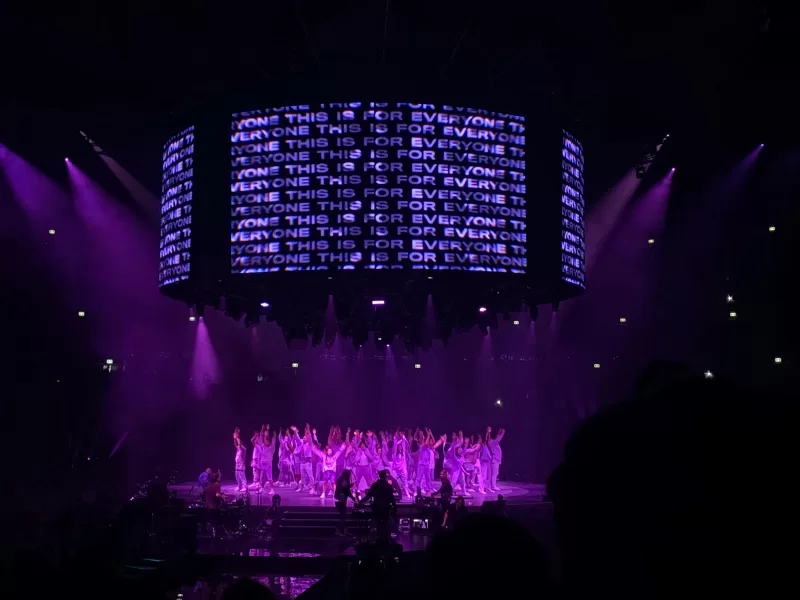
6. Content Mapping and Pixel Precision
Concert content is becoming more sophisticated. With tools like AI-generated visual loops, spatial mapping, and augmented overlays, pixel accuracy matters more than ever.
Flexible LED panels now support finer pixel pitches (as low as 1.5mm), allowing 4K or higher resolutions even on non-flat surfaces. This precision ensures no detail is lost, even when content stretches across a 20-meter curved display.
Additionally, integration with DMX lighting and real-time media servers (like Disguise or Resolume) allows designers to create fluid, synesthetic shows.
Conclusion: Flexible LED Is Not a Trend—It’s a Standard
The future of концертный светодиодный фоновый дисплей lies in the freedom of shape, resolution, and expression. Flexible LED screens grant artists and crews this freedom without compromising technical precision.
In 2025, these screens will no longer be novelties. They are essential tools for transforming live music into immersive art. For production houses, event contractors, and stage designers, embracing this technology means staying relevant in an era of visually driven performance.