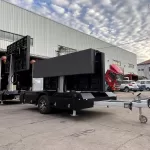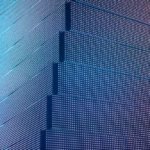
На протяжении десятилетий наружная реклама опиралась на фиксированные, неизменные конструкции рекламных щитов. После установки их геометрия оставалась неизменной в течение многих лет без адаптации. Однако появление модульных дисплеев в стиле LEGO нарушило эту жесткую модель.
В результате рекламные пространства становятся такими же программируемыми, как и контент, который они представляют.
В основе современного визуального маркетинга лежат модульные инновации. Применяя стандартизированные высокопроизводительные модули, бренды превращают стены в динамичные полотна бренда. Будь то большие атриумы, узкие коридоры аэропорта или временные магазины, модульные светодиодные панели легко адаптируются. В результате пространственные ограничения больше не ограничивают творческое выражение. Более того, одна аппаратная система может развиваться посредством множества цифровых преобразований. Следовательно, маркетинговый контент мгновенно реагирует на изменение пространства и моментов кампании.
1. Смерть «фиксированной рамы»: использование логики LEGO
Основным ограничением традиционных дисплеев (например, ЖК-мониторов) является их фиксированное соотношение сторон. Вы попали в коробку 16:9. Модульные светодиодные панели, наоборот, действуют по принципу «бесконечной масштабируемости».
Сила стандартизированной блокировки
Подобно тому, как кирпич LEGO может стать частью замка или космического корабля, один светодиодный модуль — обычно небольшой квадрат или прямоугольник — служит универсальным строительным блоком. Инженеры проектируют эти модули с высокоточными механизмами блокировки и магнитными разъемами.
Действие: Это позволяет техническим специалистам собирать массивную стену 4K утром и разбирать ее на десять отдельных цифровых колонн во второй половине дня.
Эффект: Такой «детальный» подход к оборудованию означает, что рекламная стена больше не является постоянным элементом здания; это подвижный актив, который движется и развивается вместе с кампанией бренда.
2. Пространственная адаптация: решение проблемы «неуклюжего угла»
Коммерческие помещения редко представляют собой идеальные прямоугольники. В торговых центрах изогнутые коридоры, в аэропортах — цилиндрические колонны, а в флагманских магазинах — узкие угловатые лестничные пролеты. Стандартные экраны в таких условиях выходят из строя, оставляя «мертвые зоны», на которые тратится ценный пешеходный трафик.
Изменяя реальность с помощью гибких модулей
Модульная технология эволюционировала и теперь включает в себя гибкие модули светодиодных экранов. В этих устройствах используются мягкие печатные платы и прорезиненные рамы, которые могут изгибаться до 45 градусов и более.
Кривая: Бренды могут обернуть цифровой экран вокруг структурной колонны, превратив визуальное препятствие в маяк, рассказывающий истории на 360 градусов.
Волна: Чередуя вогнутые и выпуклые модули, дизайнеры создают «ленточные» дисплеи, имитирующие поток воды, направляющие взгляд покупателя во время путешествия по магазинам.
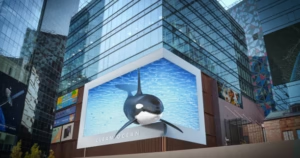
Уголок: Модульные блоки под прямым углом обеспечивают плавные переходы вокруг углов под углом 90 градусов, создавая эффект «куба», который делает возможным 3D-анаморфотный контент (эффект «3D невооруженным глазом»).
3. Рабочий процесс «Метаморфозы»: один день, десять форм
Чтобы понять его преобразующее воздействие, рассмотрим гипотетический сценарий «одня из жизни».
В этом контексте модульный светодиодный комплект поддерживает региональное мероприятие по запуску бренда.
09:00 (Торжественное открытие): Модули собираются в массивную, плоскую, бесшовная светодиодная видеостена за основной сценой для основного выступления.
11:00 (Демонстрация продукта): Стена расколота. Половина модулей образует длинный горизонтальный «цифровой тикер» над демонстрационной зоной, а другая половина используется в качестве отдельных «умных подставок» для демонстрации продуктов.
014:00 (Художественная интерлюдия): Технические специалисты переставляют модули в шахматную конфигурацию «пиксельного искусства», чтобы отображать абстрактное цифровое искусство, соответствующее теме мероприятия.
017:00 (Час социальных сетей): Модули перемещаются ко входу и складываются в гигантский светящийся 3D-логотип бренда, который служит идеальным фоном для фотографий в Instagram.
This level of agility ensures that the hardware investment never sits idle. The “LEGO” nature of the system means the brand only needs to purchase the modules once to unlock a thousand different configurations.
4. Technical Reliability: Why Modular is the “Smart” Choice
Modularity is not just about aesthetics; it is a superior engineering philosophy for long-term maintenance and reliability.
The “Zero-Downtime” Maintenance Model
In a traditional large-format screen, a single internal failure can black out an entire section of the wall, requiring hours of dismantling. In a modular system, the модульные светодиодные панели feature “front-service” accessibility.
Hot Swapping: Если в одном модуле происходит сбой пикселя, технический специалист использует магнитный инструмент, чтобы вытащить этот конкретный модуль и вставить запасной. Этот процесс занимает менее 60 секунд и не требует отключения остальной части дисплея.
Распределенный интеллект: Каждый модуль содержит свои собственные калибровочные данные. Когда вы прикрепляете новый модуль к существующей стене, он автоматически синхронизирует свою яркость и цветовой баланс в соответствии с соседними модулями, каждый раз обеспечивая идеально однородное изображение.
5. Повышение рентабельности инвестиций: экономика гибкости
С финансовой точки зрения светодиодная революция в стиле LEGO меняет расчет рентабельности инвестиций для отделов маркетинга.
Снижение затрат на логистику: Поскольку сито разбивается на небольшие легкие плитки, его можно транспортировать в стандартных кейсах, а не в специальных бортовых грузовиках. Это делает портативная светодиодная реклама жизнеспособный для глобальных туров.
Многосайтовая утилита: Бренд может использовать одни и те же 100 модулей для открытия флагманского магазина в Нью-Йорке, а затем отправлять их на выставку в Лас-Вегасе, каждый раз меняя форму, чтобы она соответствовала новым размерам стенда.
Синхронизация контента: Современные модульные контроллеры позволяют «отобразить» любую форму. Программное обеспечение автоматически определяет расположение модулей, а это означает, что создателям контента не нужно повторно отображать видео для каждой новой формы; система разумно «обтекает» видео новой геометрией.
6. Заключение: канва бренда будущего
Переход от «статических экранов» к «модульным системам» представляет собой окончательное развитие цифровых вывесок. Рассматривая рекламные стены как набор умных взаимосвязанных пикселей, мы превратили архитектуру в живого участника маркетинговой истории.
Модульные светодиодные панели дайте брендам возможность быть бесстрашными. Теперь они могут идти туда, где находится покупатель — будь то изогнутый туннель, круглая колонна или всплывающая художественная галерея — без ущерба для визуального качества. В рекламном будущем самыми успешными будут бренды не с самыми большими экранами, а с наиболее адаптируемыми. Революция LEGO уже наступила, и единственным ограничением вашей цифровой метаморфозы являются границы вашего воображения.