Зашто дизајн одржавања одређује цену пројекта ЛЕД дисплеја
Када архитекте и власници пројеката дизајнирају уграђене Инсталације ЛЕД дисплеја, често се фокусирају на величину екрана, осветљеност и визуелне перформансе. Међутим, приступачност одржавања постаје један од најкритичнијих фактора који утичу на дугорочне трошкове пројекта.
Велики модуларни ЛЕД екран инсталиран директно на фасаду зграде, зид или унутрашњу структуру захтева јасну стратегију одржавања. Без правилног планирања, ограничен приступни простор може повећати сложеност изградње, створити скупе структурне модификације и одложити будуће поправке.
Стога, бирајући између а предњи ЛЕД дисплеј за одржавање и а задњи ЛЕД дисплеј за одржавање није само техничка одлука. То директно утиче на дизајн инсталације, захтеве челичне конструкције, водоотпорне перформансе и укупне трошкове власништва.
За пројекте са ограниченом дубином зида или без сервисног простора позади, а предњи сервисни ЛЕД дисплеј пружа флексибилније решење. У међувремену, традиционални системи за одржавање позади остају погодни за локације са наменским ходницима за одржавање.
Овај чланак упоређује оба решења из архитектонских ограничења, метода одржавања, водоотпорног заптивања и укупне перспективе улагања у пројекат.
1. Разумевање ЛЕД екрана за предње и задње одржавање
Пре него што упоредите трошкове, важно је разумети како функционише сваки систем одржавања.
Шта је предњи ЛЕД екран за одржавање?
А предњи ЛЕД дисплеј за одржавање омогућава техничарима да уклоне ЛЕД модуле, изворе напајања и контролне компоненте са предње стране екрана.
Обично инжењери користе:
- Магнетни алати за одржавање
- Дизајн модула за предњи приступ
- ЛЕД ормарићи са брзим отпуштањем
- Интегрисане структуре услуга
Пошто техничарима није потребан приступ иза екрана, екран се може поставити ближе зидовима или архитектонским површинама.
Као резултат тога, технологија предњег одржавања је посебно погодна за:
- Фасадни ЛЕД екрани за зграде
- Уграђени екрани у затвореном простору
- Рекламни зидови тржног центра
- Контролне собе
- Транспортна чворишта
За модерне архитектонске пројекте, овај дизајн елиминише потребу за великим задњим просторима за одржавање.
Шта је задњи ЛЕД екран за одржавање?
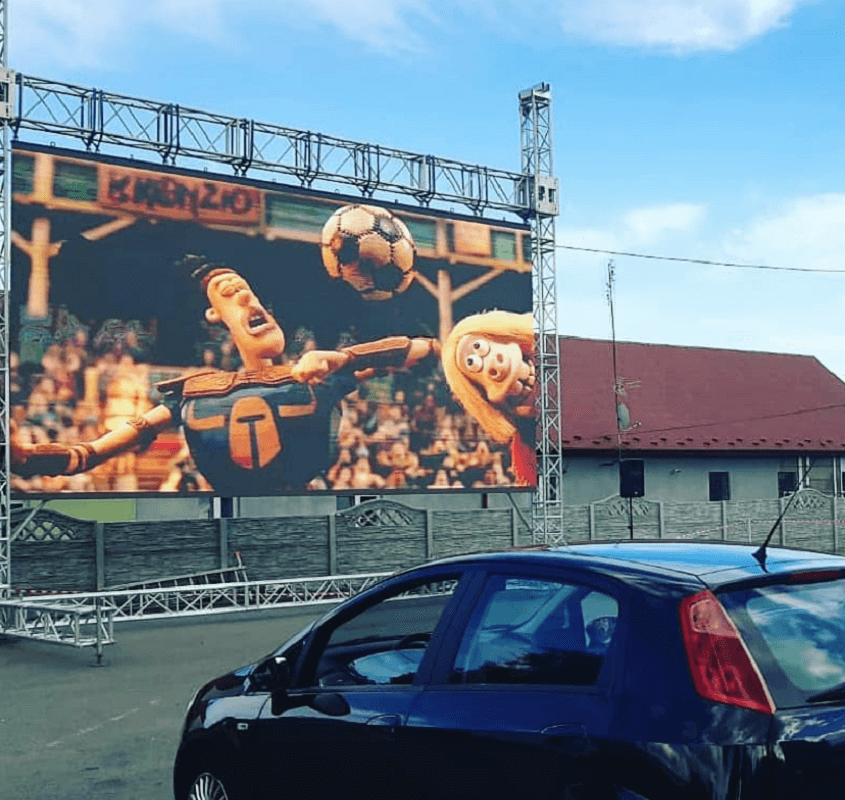
А задњи ЛЕД дисплеј за одржавање захтева од техничара да приступе компонентама са задње стране екрана.
Стога је за инсталацију обично потребно:
- Одржавање коридора
- Додатна дубина зида
- Веће челичне конструкције
- Резервисан сервисни простор
Овај традиционални приступ добро функционише за:
- Спољни стадионски екрани
- Велики рекламни билборди
- Фиксне инсталације са приступачним задњим просторима
Међутим, када зграде имају строга ограничења простора, системи одржавања позади могу повећати потешкоће у изградњи.
2. Архитектонска ограничења: када одржавање фронта постане неопходно
У многим пројектима уграђених ЛЕД екрана највећи изазов није сам екран. Изазов је расположиви простор за инсталацију.
Ограничена дубина зида ствара изазове дизајна
Многи архитектонски пројекти интегришу ЛЕД дисплеје у:
- Стаклене завесе
- Камене фасаде
- Унутрашњи декоративни зидови
- Изложбене структуре
Међутим, ове структуре често обезбеђују минималан простор иза екрана.
ЛЕД екран за одржавање позади захтева додатни простор за техничаре. Овај простор се повећава:
- Захтеви за дубину зграде
- Димензије челичног рама
- Инсталациони посао
- Материјални трошкови
Стога, дизајнери морају резервисати простор за одржавање током ране фазе архитектонског планирања.
Одржавање фронта смањује структурне захтеве
Предњи сервисни ЛЕД екран уклања потребу за задњим приступним каналима.
Сходно томе, архитекте могу креирати тање инсталационе структуре уз одржавање лакоће сервисирања.
на пример:
Традиционални систем одржавања задњег дела може захтевати:
- Простор за шетњу позади
- Носећи челични оквир
- Приступни простор за техничаре
У међувремену, предњи модуларни ЛЕД екран за одржавање захтева само:
- Предњи радни простор
- Магнетни алати за одржавање
- Приступачан дизајн модула
Као резултат, технологија предњег одржавања помаже у оптимизацији простора зграде и смањењу непотребних структуралних улагања.
3. Поређење трошкова: ЛЕД дисплеј за одржавање предње у односу на задње одржавање
Иако предњи ЛЕД дисплеји за одржавање могу имати нешто веће почетне трошкове опреме, они често пружају бољу укупну економичност пројекта.
Поређење трошкова инсталације
| Фактор | Предњи ЛЕД екран за одржавање | ЛЕД екран за одржавање позади |
|---|---|---|
| Потребан простор позади | бр | Да |
| Величина челичне конструкције | Мање | Већи |
| Дубина инсталације | Смањена | Повећано |
| Архитектонска модификација | Минимално | Више |
| Приступ за одржавање | Фронт Сиде | Реар Сиде |
Задњи систем одржавања може изгледати јефтиније на нивоу производа. Међутим, додатни трошкови изградње могу значајно повећати коначни буџет пројекта.
Ови скривени трошкови укључују:
- Додатне челичне конструкције
- Ојачање зграде
- Платформе за одржавање
- Приступна врата
- Резервисане услужне области
Због тога би власници пројекта требало да процене укупне трошкове инсталације уместо да упоређују само цене на екрану.
4. Ефикасност одржавања и дугорочни оперативни трошкови
Учесталост одржавања директно утиче на оперативне трошкове ЛЕД дисплеја.
Модуларни ЛЕД екран садржи многе заменљиве компоненте, укључујући:
- ЛЕД модули
- Примање картица
- Напајања
- Контролни системи
Када дође до кварова, брз приступ смањује време застоја.
Одржавање са предње стране омогућава бржу замену модула
Са магнетним предњим сервисним модулима, техничари могу брзо уклонити оштећене јединице са површине екрана.
Овај процес:
- Скраћује време поправке
- Смањује потребе за радном снагом
- Побољшава оперативну ефикасност
Посебно за комерцијалне ЛЕД дисплеје, краће време застоја значи мањи губитак рекламирања и бољи поврат улагања.
Одржавање задњег дела захтева више припрема за одржавање
Одржавање задњег дела често захтева:
- Планирање приступа техничара
- Простор за кретање опреме
- Безбедносне процедуре
За велике уграђене екране, ови захтеви могу да отежају поправке.
Због тога системи одржавања с предње стране пружају веће предности за пројекте који захтевају континуиран рад.
5. Поређење водоотпорних перформанси: Изазови заштите ИП65
За спољне архитектонске ЛЕД дисплеје, водоотпорне перформансе су још једно важно питање.
Професионалац ИП65 водоотпоран ЛЕД екран мора заштитити унутрашње компоненте од:
- Кишница
- Прашина
- Влажност
- Изложеност животне средине
Међутим, различите структуре одржавања утичу на дизајн заптивања.
Предњи ЛЕД екран за одржавање водоотпоран дизајн
Предњи ЛЕД дисплеји за одржавање обично усвајају:
- Интегрисано заптивање модула
- Гумени водоотпорни прстенови
- Прецизне структуре ормара
- Системи заштите са предње стране
Пошто предњи модули захтевају често уклањање, произвођачи морају пажљиво да балансирају:
- Лако одржавање
- Механичка поузданост
- Водоотпорне перформансе заптивања
Висококвалитетни модуларни ЛЕД екрани могу да постигну ИП65 заштиту док одржавају згодан предњи приступ.
ЛЕД екран за одржавање позади водоотпоран дизајн
Задњи системи за одржавање углавном користе фиксну предњу површину са мање предњих отвора.
Због тога могу да обезбеде једноставније предње водоотпорне структуре.
Међутим, задња конструкција мора да штити:
- Прикључци кабинета
- Унутрашње ожичење
- Компоненте напајања
Ако је задњи део за одржавање изложен напољу, може бити потребна и додатна водоотпорна заштита.
6. Које решење ЛЕД дисплеја треба да изаберете?
Тачан избор зависи од услова пројекта.
Изаберите ЛЕД екран за предње одржавање када:
Предњи систем одржавања се препоручује за:
✔ Уграђени архитектонски ЛЕД екрани
✔ Пројекти са ограниченом дубином уградње
✔ Унутрашњи комерцијални дисплеји
✔ ЛЕД зидови високе густине
✔ Пројекти који захтевају брзо одржавање
Она обезбеђује:
- Инсталација која штеди простор
- Нижи структурни захтеви
- Брже поправке
- Боља архитектонска флексибилност
Изаберите ЛЕД екран за задње одржавање када:
Одржавање задњег дела остаје погодно за:
✔ ЛЕД екрани стадиона
✔ Спољашњи билборди
✔ Велике самостојеће структуре
✔ Локације са наменским сервисним простором
Нуди:
- Једноставан приступ за одржавање
- Традиционалне методе уградње
- Флексибилан дизајн ормара
7. Контролна листа купца пре избора модуларног ЛЕД екрана
Пре куповине а прилагођени модуларни ЛЕД екран, пројектни тимови треба да процене:
1. Инсталационо окружење
питај:
- Има ли довољно простора за приступ позади?
- Да ли је екран уграђен у зид?
- Да ли ће приступ будућем одржавању бити ограничен?
2. Укупни трошкови пројекта
Узмите у обзир:
- Прикажи цену
- Цена челичне конструкције
- Модификација конструкције
- Трошкови одржавања
Најјефтинији екран није увек најјефтиније решење.
3. Захтеви за одржавање
Оцените:
- Фреквенција замене
- Приступачност техничара
- Очекивани радни сати
За комерцијалне апликације, ефикасност одржавања директно утиче на профитабилност.
Закључак: Одржавање са предње стране ствара флексибилнија архитектонска ЛЕД решења
Избор између а предњи ЛЕД дисплеј за одржавање и а задњи ЛЕД дисплеј за одржавање зависи од више од преференција за инсталацију. То утиче на архитектонско пројектовање, трошкове изградње, ефикасност одржавања и дугорочну радну вредност.
За пројекте са ограниченом дубином зида или захтевима за уграђену инсталацију, технологија предњег одржавања пружа паметније решење. Елиминише потребу за скупим задњим сервисним просторима док одржава поуздану замену модула и пружа ИП65 водоотпорну заштиту.
У међувремену, задњи ЛЕД дисплеји за одржавање остају ефикасни за велике инсталације са довољно сервисних површина.
Стога, планери пројекта треба да процене доступност одржавања на почетку процеса пројектовања. Избором правог модуларна структура ЛЕД екрана, предузећа могу постићи боље визуелне перформансе, ниже трошкове трајања и флексибилнију архитектонску интеграцију.