Приликом избора а модуларни ЛЕД дисплеј, многи купци питају: "Која је права разлика између унутрашњег и спољашњег ЛЕД екрана? Може ли се спољни ЛЕД екран инсталирати у затвореном?"
Иако оба система користе ЛЕД технологију за приказивање слика и видео записа, њихов дизајн се фокусира на потпуно различите захтеве животне средине.
Кључне разлике између унутрашњи и спољашњи ЛЕД екран решења укључују:
- Захтеви за осветљење
- Ниво заштите
- Структура модула
- Трајност материјала
- Инсталационо окружење
Спољни ЛЕД екран је дизајниран да издржи сунчеву светлост, кишу, прашину и промене температуре, док се унутрашњи ЛЕД екран више фокусира на визуелни комфор, тачност боја и гледање са велике удаљености.
Одабир исправног типа екрана на основу инсталационог окружења осигурава бољи квалитет слике, поузданост и оперативну ефикасност.
Која је разлика између осветљености ЛЕД екрана у затвореном и на отвореном?
Зашто је ЛЕД екранима на отвореном потребна већа осветљеност?
Осветљеност је једна од најважнијих разлика између унутрашњих и спољашњих ЛЕД екрана.
Спољна окружења излажу ЛЕД екране јаком амбијенталном светлу, посебно директној сунчевој светлости током дана.
Да би задржали јасну видљивост, спољни ЛЕД дисплеји обично захтевају:
- Осветљеност изнад 1500 нита
- Већи нивои осветљености за апликације на директној сунчевој светлости
- Оптимизован оптички дизајн за гледање на отвореном
За локације изложене интензивној сунчевој светлости, као што су:
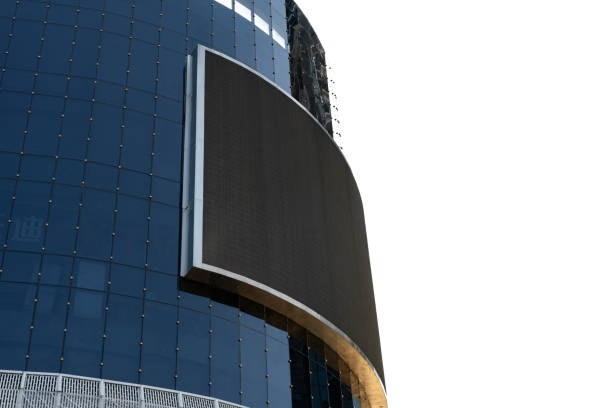
- Фасаде зграда
- Стадиони
- Огласне табле за аутопут
- Екстеријер тржног центра
ЛЕД осветљеност ће можда морати да достигне 5000 нита или више за одржавање видљивости слике под подневном сунчевом светлошћу.
Зашто прекомерна осветљеност није погодна за унутрашњу употребу?
Унутрашње средине обично имају контролисане услове осветљења.
Већина унутрашњих ЛЕД дисплеја ради око:
800-1500 нита
Коришћење спољног ЛЕД екрана велике осветљености у затвореном простору може проузроковати:
- Неудобност у очима
- Претерани одсјај
- Смањено искуство гледања
- Већа потрошња енергије
Унутарњи ЛЕД екрани су дизајнирани за веће удаљености гледања, где је баланс осветљености важнији од максималног излаза светлости.
Како оцена заштите утиче на унутрашње и спољашње ЛЕД дисплеје?
Зашто ЛЕД екрани на отвореном захтевају заштиту ИП65?
Спољни ЛЕД дисплеји морају да раде у променљивим временским условима.
Типично ИП65 ЛЕД екран пружа:
- Заштита од прашине
- Отпорност на млаз воде
- Боља поузданост на отвореном
ИП оцена је посебно важна за:
- Излагање киши
- Промене влажности
- Акумулација прашине
- Осцилације спољне температуре
Велики спољни дисплеји такође захтевају додатну структурну заштиту јер притисак ветра може створити значајан механички стрес.
Која је додатна заштита потребна ЛЕД дисплеју на отвореном?
Осим водоотпорних перформанси, спољни ЛЕД модули често укључују:
УВ заштита
Спољне ЛЕД компоненте захтевају материјале отпорне на УВ зрачење да би спречили:
- Бледење боје
- Пластична деформација
- Старење површине
Отпорност на корозију
Окружење на отвореном може да садржи:
- Влага
- Слани ваздух
- Индустријски загађивачи
Материјали и премази морају издржати дуготрајно излагање.
Дизајн оптерећења ветром
Великим спољним ЛЕД екранима су потребни структурни прорачуни да би се носили са силама ветра.
Што је већа величина екрана, већи је утицај притиска ветра на:
- Структура кабинета
- Инсталациони оквир
- Систем подршке
Како су ЛЕД модули дизајнирани другачије за унутрашње и спољашње апликације?
Шта ЛЕД модуле на отвореном чини издржљивијима?
Спољни ЛЕД модули су дизајнирани за заштиту животне средине.
Типичне карактеристике укључују:
- Ормари отпорни на временске услове
- УВ-третиране маске
- Водоотпорне структуре модула
- Побољшан дизајн заптивања
- Компоненте отпорне на температуру
Циљ је да се одржи стабилан рад упркос променама животне средине.
Зашто се ЛЕД модули у затвореном простору више фокусирају на квалитет слике?
Унутрашњи ЛЕД дисплеји се обично посматрају на мањим удаљеностима.
Стога, дизајнери дају приоритет:
- Већи однос контраста
- Боља тачност боје
- Фини корак пиксела
- Глатке перформансе у сивим тоновима
Типичне примене у затвореном простору укључују:
- конференцијске собе
- Тржни центри
- Контролни центри
- Малопродајне продавнице
- Радиодифузни студији
Приоритет су визуелни детаљи, а не екстремна отпорност на животну средину.
Да ли се ЛЕД дисплеји на отвореном могу користити у затвореном простору?
Шта се дешава када се спољни ЛЕД екран инсталира у затвореном простору?
Технички, спољни ЛЕД екран може да ради у затвореном простору, али то обично није оптимално решење.
Потенцијални недостаци укључују:
Прекомерна осветљеност
Висока осветљеност дизајнирана за окружења сунчеве светлости може изгледати непријатно у затвореном простору.
Већа потрошња енергије
Спољни екрани захтевају снажније ЛЕД диоде, што резултира повећаном потрошњом електричне енергије.
Смањена визуелна оптимизација
Удаљености гледања у затвореном захтевају боље перформансе слике, што можда није приоритет дизајна на отвореном.
Стога, коришћење спољног ЛЕД екрана у затвореном простору може повећати трошкове без побољшања корисничког искуства.

Поређење ЛЕД екрана у затвореном и на отвореном
Који тип ЛЕД екрана је најпогоднији за различите апликације?
| Фактор поређења | Индоор ЛЕД дисплеј | Спољашњи ЛЕД дисплеј |
|---|---|---|
| Бригхтнесс Левел | Обично 800-1500 нита | Обично изнад 1500 нита, више за подручја сунчеве светлости |
| Животна средина | Контролисани услови у затвореном простору | Изложеност спољашњим временским приликама |
| Оцена заштите | Ограничени захтеви за водоотпорност | ИП65 или виша заштита |
| Материал Десигн | Фокусирајте се на боју и квалитет слике | Фокусирајте се на издржљивост и отпорност на временске услове |
| УВ отпорност | Обично није потребно | Потребан за дуготрајну употребу на отвореном |
| Уобичајене апликације | Малопродаја, сале за састанке, студији | Рекламне табле, стадиони, саобраћајнице |
Како одабрати прави модуларни ЛЕД екран?
Водич за избор ЛЕД екрана на основу апликације
Пре куповине модуларног ЛЕД дисплеја, купци треба да процене:
1. Локација инсталације
питај:
- У затвореном или на отвореном?
- Директно излагање сунчевој светлости?
- Удаљеност од гледалаца?
- Временски услови?
Инсталационо окружење одређује потребан ниво заштите и осветљеност.
2. Удаљеност гледања
Унутарњи екрани се често посматрају са мање удаљености.
Ово захтева разматрање:
- Пикел питцх
- Резолуција
- Детаљ слике
Спољни екрани обично имају приоритет:
- Осветљеност
- Видљивост
- Издржљивост
3. Услови рада
Узмите у обзир:
- Температурни опсег
- Влажност
- Изложеност прашини
- Приступачност одржавања
Екран дизајниран за погрешно окружење може доживети скраћени животни век и веће трошкове одржавања.
Шта купци треба да провере приликом куповине ЛЕД дисплеја?
Контролна листа набавке за модуларне ЛЕД екране
| Фактор евалуације | Кључна разматрања |
|---|---|
| Осветљеност | Да ли одговара условима амбијенталног осветљења? |
| Оцена заштите | Да ли је ИП ниво погодан за локацију инсталације? |
| Модуле Десигн | Да ли то укључује потребну заштиту животне средине? |
| Пикел Питцх | Да ли је квалитет слике прикладан за удаљеност гледања? |
| Тхермал Манагемент | Може ли одржати стабилан рад? |
| Начин одржавања | Захтеви за одржавање предњег или задњег дела |
Професионални добављач ЛЕД екрана треба да препоручи производе на основу захтева апликације, а не да користи исти тип екрана за сваки пројекат.
Избор између унутрашњег и спољашњег ЛЕД екрана почиње са окружењем
Поређење од ЛЕД дисплеји у затвореном и на отвореном није у томе која је технологија боља, већ који дизајн одговара апликацији.
Унутрашњи ЛЕД дисплеји се фокусирају на баланс осветљености, тачност боја и квалитет гледања из близине. Спољни ЛЕД дисплеји дају предност високој осветљености, ИП65 заштити, УВ отпорности и структурној издржљивости.
Избор исправног модуларног ЛЕД дисплеја захтева процену услова инсталације, удаљености гледања, изложености околини и дугорочних радних захтева.
Д-КИНГ пружа прилагођена решења за модуларне ЛЕД дисплеје, помажући купцима да изаберу одговарајуће унутрашње и спољашње ЛЕД системе на основу пројектног окружења и захтева перформанси.