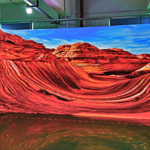
Врхунски сценски дизајнери, редитељи телевизијских програма и луксузни организатори венчања често се суочавају са невероватно фрустрирајућим визуелним проблемом током продукција уживо. Када се приказује тамна, атмосферска позадина или глатки амбијентални градијенти, екран позадине често показује оштре, коцкасте кораке боје уместо течног прелаза. Овај ружни визуелни артефакт, надалеко познат као колор бандинг, потпуно уништава реалност професионалних сценских продукција.
На срећу, надоградите своју производну опрему на премиум ЛЕД дисплеј високе сиве боје одмах елиминише ове оштре кораке рендеровања. Повећањем унутрашње дубине вашег дигиталног платна, можете лако да задржите визуелну јасноћу која одузима дах у изазовним, слабо осветљеним поставама. Овај технички водич за инжењеринг описује како 16-битна обрада поправља траке боја да би се сачували деликатни детаљи силуете у студијима са слабом осветљеношћу.
1. Математичка стварност дубине бита: 16-битна наспрам 14-битна обрада
Крајњи глатки изглед било ког дигиталног градијента боја у потпуности зависи од математичке дубине бита контролера система екрана.
 14-Bit Standard: [16,384 Levels Per Color] ──> Rough Color Steps ──> ❌ Visible Banding Artifacts
 16-Bit Premium:  [65,536 Levels Per Color] ──> Microscopic Steps  ──> ♻️ Flawless Fluid Gradients
Када примените стандардни 14-битни систем приказа, унутрашњи хардвер може само да прикаже 2^{14} = 16,384 различите нијансе сиве за сваки примарни канал боја. Иако се чини да је овај капацитет довољан за светла фестивалска окружења на отвореном, он не успева у контролисаним студијским условима.
Насупрот томе, истина ЛЕД дисплеј високе сиве боје користи напредне 16-битне процесне цевоводе за израчунавање боје са изузетном прецизношћу. Овај архитектонски скок значи да свака производи црвене, зелене и плаве диоде 2^{16} = 65,536 јединствени нивои осветљености. Сходно томе, комплетан систем генерише запањујућу укупну палету боја, обезбеђујући да се свака микро нијанса репродукује са апсолутном верношћу.
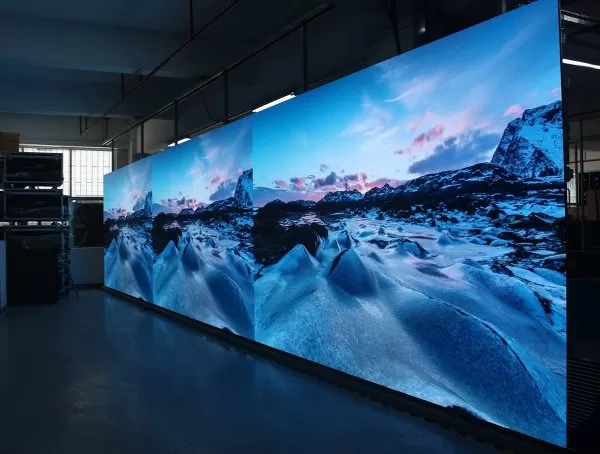
2. Студијска дилема при слабом осветљењу: зашто ниска осветљеност уништава стандардне нијансе сиве
Директори емитовања и организатори луксузних венчања често морају значајно да затамне своје дигиталне екране да би заштитили сензоре камере и успоставили романтично расположење.
Grayscale Decay Under Low Brightness:
Traditional 14-Bit: Dimming truncates bit levels, creating bands.│
Advanced 16-Bit: Retains thousands of steps even at 10% output.   │
Када смањите укупну излазну осветљеност стандардног екрана, контролни систем мора да одбаци хиљаде доступних корака у нијансама сиве. Пошто хардвер компримује свој радни спектар боја, прелази између суседних нијанси се протежу у широке, видљиве траке.
Међутим, премиум ЛЕД дисплеј високе сиве боје задржава широку лепезу корака обраде чак и када ради на ниским нивоима осветљености. Ова дубока резерва прорачуна омогућава екрану да одржи беспрекорне, свиленкасте градијенте када ради на само 10% свог укупног излазног капацитета. Ваше ноћне позадине, дубоке сенке и ефекти суптилног дима остају запањујуће глатки без приказивања једне геометријске линије или блока пиксела.
3. Очување деликатних текстура и изузетних детаља силуете
У романтичним свадбеним павиљонима и биоскопским виртуелним фазама производње, снимање финих текстура тканине и јасних профила силуета дефинише елитни визуелни луксуз.
 Solid Dark Backing ──> Fails to Render Fine Textures ──> ❌ Blurry Loss of Fabric Silhouette Contours
 High-Grayscale Engine ──> Captures Delicate Micro-Shades ──> ♻️ Flawless Presentation of Intricate Lace
Замислите младу која носи сложену белу хаљину од чипке, која грациозно стоји на нерасположеној, слабо осветљеној дигиталној позадини. Ако примените неоптимизовани екран, сензори камере ће брзо изгубити деликатне текстуре чипке у мрачном окружењу. Ивице одеће стапају се у позадину, претварајући прелепу сцену у неуредну, блатњаву силуету.
Покретањем 16-битног процесора, ваш екран снима микроскопске варијације у нијанси које дефинишу физичке тканине. Екран савршено открива фине шаре чипкастих шавова, суптилне наборе тамне одеће и глатке контуре ноћних пејзажа. Ова екстремна прецизност тонова одржава ваше видео записе уживо оштре и невероватно реалистичне, подижући укупну продукцијску вредност вашег места.
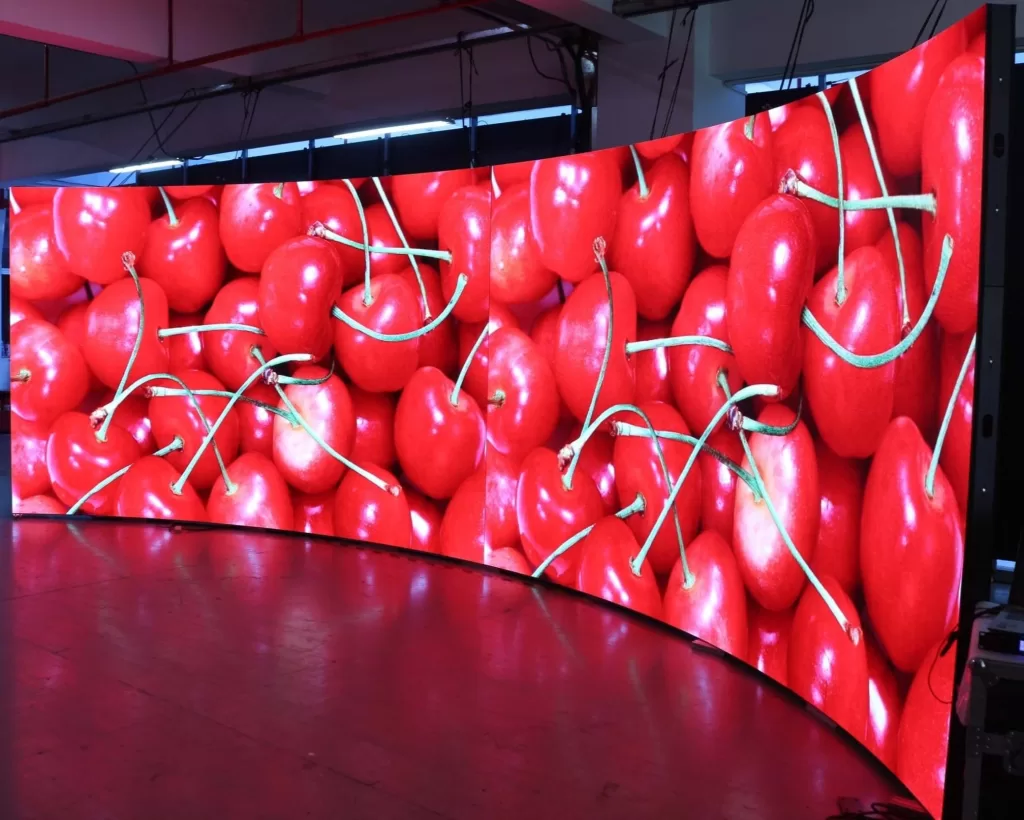
Поређење архитектуре обраде екрана у студију
| метрика визуелних перформанси | Стандардни 14-битни системи приказа | Врхунски ЛЕД дисплеји високе сиве боје |
| Нивои сивих тонова по каналу | 16.384 дискретна нивоа сиве | 65.536 премиум нивоа сиве боје |
| Отпор на траке у боји | Поор; видљиве коцкасте степенице у градијентима | Абсолуте; беспрекорни, течни прелази боја |
| Перформансе ниске осветљености | Дропс битс; сенке постају блатне и тамне | Задржава богате детаље при слабом осветљењу |
| Компатибилност сензора камере | Висок ризик од скенирања артефаката и линија | Флавлесс; савршено снима на камерама за емитовање |
| Дугорочна производна вредност | Ниско ограничени избори креативног студија | Високо: откључава елитну биоскопску визуелну дубину |
Закључак: Уклоните визуелне недостатке у врхунским окружењима
Постизање комерцијалног успеха на конкурентним тржиштима емитовања и догађаја захтева примену напредних платформи за приказ које одржавају строгу графичку тачност.
Престаните да ризикујете своју професионалну сценску репутацију на старим системима приказа који стварају оштре траке боја и уништавају ваше студијске снимке при слабом осветљењу. Надоградите свој производни инвентар на наш напредни ЛЕД дисплеј високе сиве боје архитектура обезбеђује апсолутну прецизност боја и савршено очување детаља сенке. Дизајнирамо сваку контролну картицу и управљачко коло како бисмо максимизирали дубину обраде и одржали беспрекорне перформансе под захтевним захтевима осветљења.
Контакт наша техничка инжењерска група данас да истражите наша решења у високим нијансама сиве и обезбедите следећу конфигурацију премиум догађаја.