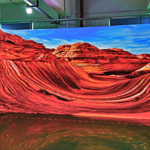
As outdoor advertising continues to embrace flexibility and creativity, outdoor flexible LED displays have become indispensable tools for visual marketing. Their ability to bend, wrap, and integrate with diverse architectural surfaces has opened up new possibilities for design and engagement. However, as these displays are often exposed to harsh sunlight and ultraviolet (UV) radiation for years, one key question arises—will their materials eventually become brittle under long-term UV exposure?
Hierdie vraag is nie net tegnies nie, maar ook noodsaaklik vir elke handelsmerk en installeerder wat daarop gemik is om die lang lewe en betroubaarheid van LED-skermbeleggings te verseker. Om die wetenskap van UV-afbraak, die samestelling van vertoonmateriaal en die rol van gevorderde bedekkings en polimere te verstaan, bied waardevolle insig in hoe moderne buigsame LED-skerms langtermynstabiliteit in buitelugtoestande bereik.
1. Die aard van UV-blootstelling in buitelugomgewings
Buitelug-LED-skerms werk onder voortdurende blootstelling aan UV-strale, wat een van die mees skadelike omgewingselemente vir polimeer-gebaseerde materiale is. UV-straling dra genoeg energie om molekulêre bindings in plastiek en harse af te breek, wat lei tot verkleuring, oppervlakkraak of verminderde elastisiteit.
Vir tradisionele plastiekkomponente manifesteer hierdie agteruitgang as brosheid - 'n onomkeerbare toestand waar buigsaamheid en strukturele integriteit verlore gaan. Vir buite buigsame LED-skerm panele, sou sulke skade beide werkverrigting en voorkoms benadeel.
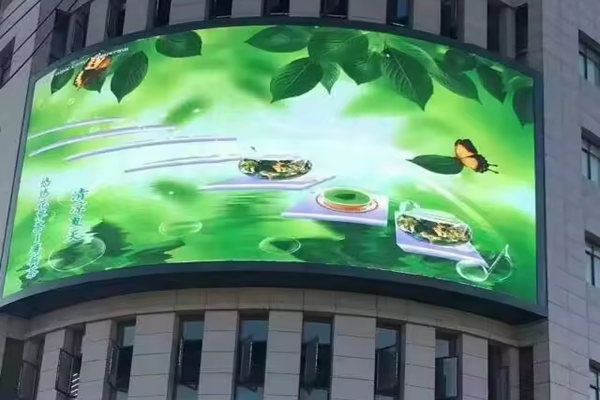
2. Samestelling van buigsame LED-skermmateriaal
Buigsame LED-skerms verskil aansienlik van konvensionele rigiede LED-panele in beide struktuur en materiaalsamestelling. Terwyl rigiede modules dikwels aluminium en gehard glas gebruik, maak buigsame weergawes staat op sagte substrate soos termoplastiese poliuretaan (TPU), silikoonrubber of buigsame PCB-lae.
Elkeen van hierdie materiale het duidelike weerstandseienskappe:
TPU (termoplastiese poliuretaan): Known for elasticity and UV stability, ideal for bending without cracking.
Silicone Rubber: Offers high thermal and weather resistance, maintaining softness under heat and UV light.
Flexible PCB Base: Reinforced with polyimide films, ensuring electronic stability even under physical stress.
In combination, these materials form a composite structure capable of enduring not only mechanical flexing but also prolonged UV radiation exposure.
3. How UV Radiation Affects Display Materials
UV radiation primarily affects polymer chains by initiating photochemical reactions. When absorbed by material surfaces, it can cause molecular scission—breaking bonds that give the polymer its flexibility. Over time, this leads to increased surface roughness, color fading, and microcracks.
However, the degree of degradation depends on multiple environmental factors:
Geographical Location: Areas near the equator or high altitudes experience stronger UV intensity.
Installation Angle: Vertical installations may receive less UV stress than horizontally positioned ones.
Surface Coatings: Anti-UV treatments and surface films play a crucial protective role.
Moderne flexible LED display materials counteract this degradation by integrating UV stabilizers and reflective pigments, significantly reducing the rate of molecular breakdown.
4. Anti-UV Engineering and Protective Coatings
To ensure long-term outdoor performance, manufacturers apply specialized UV-resistant coatings and additives to every critical component. These include:
UV Absorbers: Compounds that absorb harmful UV wavelengths and dissipate them as harmless heat.
Gehinderde Amien Lig Stabiliseerders (HALS): Chemiese bymiddels wat vrye radikale wat tydens UV-blootstelling gevorm word, neutraliseer.
Beskermende oppervlakfilms: Deursigtige lae wat 'n gedeelte van die UV-spektrum fisies blokkeer, terwyl optiese helderheid bewaar word.
Deur hierdie innovasies, outdoor flexible LED displays kan elastisiteit en kleurlewendheid handhaaf selfs na jare se blootstelling. Gevorderde silikoon-inkapseling verbeter optiese doeltreffendheid verder en beskerm LED's teen oksidasie.

5. Meganiese duursaamheid en buigsaamheidsbehoud
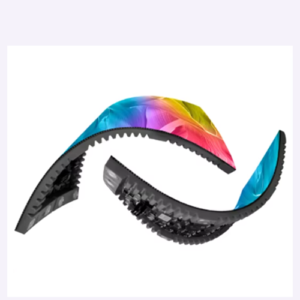
Buigsaamheid is 'n bepalende kenmerk van hierdie uitstallings, en dit hang direk af van die materiaal se vermoë om brosheid te weerstaan. Vervaardigers voer langtermyn-verouderingstoetse uit wat deurlopende UV-blootstelling, humiditeit en temperatuursiklusse simuleer om prestasie te evalueer.
Resultate toon dat hoë-gehalte silikoon-gebaseerde modules meer as 90% van hul oorspronklike buigsaamheid behou na duisende operasionele ure. Hierdie uithouvermoë verseker dat panele selfs na langdurige buite-installasie buigbaar, veilig en visueel konsekwent bly.
Verder is die modulêre ontwerp van buite buigsame LED-skerms laat individuele panele toe om vervang te word sonder volledige stelselverwydering, wat instandhoudingskoste verminder en dienslewe verleng.
6. Omgewingsinvloede verder as UV-blootstelling
Terwyl UV-straling 'n groot rol speel, beïnvloed ander omgewingstoestande ook materiaalintegriteit. Faktore soos temperatuurskommelings, lugbesoedeling en vogblootstelling kan veroudering versnel as dit nie behoorlik versag word nie.
Hoë-temperatuur UV-blootstelling kan die chemiese reaktiwiteit van polimeeroppervlaktes verhoog, terwyl humiditeit potensiaal vir mikrokorrosie in interne stroombane inbring. Om dit teë te werk, gebruik buigsame LED-stelsels verseëlde ontwerpe, IP65+ waterdigte graderings en korrosiebestande hardeware.
UV-weerstand is dus slegs deel van 'n omvattende omgewingsbeskermingstrategie wat konsekwente prestasie onder werklike buitelugtoestande verseker.
7. Vooruitgang in Materiaalwetenskap vir Buitelugduursaamheid
Die ontwikkeling van outdoor flexible LED displays weerspieël breër vooruitgang in polimeerchemie en nanotegnologie. Moderne materiale bevat nano-vullers, reflektiewe mikrobedekkings en selfgenesende polimere wat outomaties geringe UV-skade herstel.
Daarbenewens voorkom termiese bestuurstegnologieë, insluitend hitte-dissiperende komposiete, oorverhitting - 'n algemene katalisator vir versnelde UV-afbraak. Saam dra hierdie innovasies by tot die uitsonderlike langlewendheid en strukturele integriteit van buigsame LED-panele in die veld.
8. Werklike toepassings en prestasievalidering
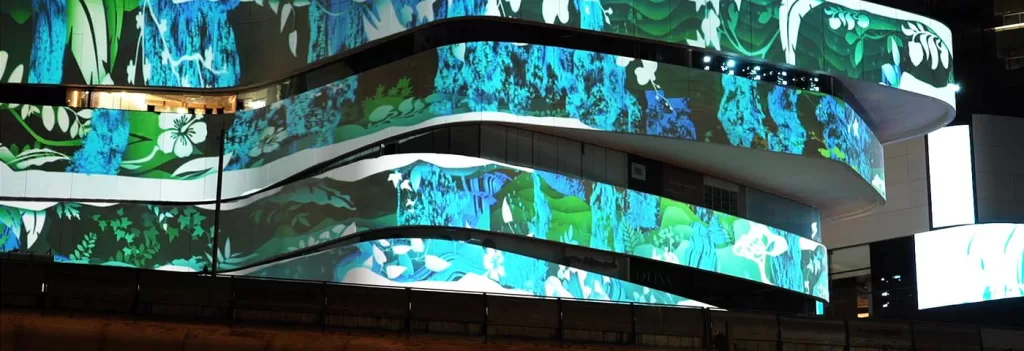
Groot reklamefirmas en geleentheidsorganiseerders het buigsame LED-tegnologie in opelugtoepassings aangeneem, soos geboë geboufasades, buiteverhoë en kreatiewe installasies. Langtermyn gevallestudies toon minimale kleurvervaaging en strukturele slytasie selfs na deurlopende gebruik in hoë sonligstreke.
These findings confirm that properly engineered materials, when combined with UV-protective coatings, can withstand challenging climates without significant loss in flexibility or brightness.
9. Maintenance and Long-Term Reliability Strategies
To further prevent UV-induced deterioration, operators must perform regular cleaning and inspection. Removing dust and pollutants prevents surface erosion and ensures optimal heat dissipation. Some suppliers provide UV-refresher coatings that can be reapplied periodically to maintain protection.
Routine visual inspections and firmware adjustments can also help preserve uniform color calibration over years of operation. In essence, while material science provides the foundation, consistent maintenance ensures longevity.
Conclusion: Flexibility That Lasts Under the Sun
Ten slotte, buite buigsame LED-skerm materials do not easily become brittle under long-term UV exposure—provided they are manufactured with advanced polymers, UV stabilizers, and protective coatings. Through continuous innovation in material science and environmental design, these displays achieve remarkable resilience, balancing flexibility, durability, and visual brilliance.
For modern outdoor advertising, this means creative freedom without compromise. Flexible LED screens can confidently illuminate public spaces under intense sunlight, proving that technology and design can coexist with nature’s harshest elements.