In stedelike advertensies het aandag die skaarste hulpbron geword. Stede is versadig met boodskappe wat meeding om beperkte visuele en kognitiewe ruimte. Metro plakkate, gebou-gemonteerde LED-skerms, en statiese advertensieborde oorheers steeds mediaplanne, maar die doeltreffendheid daarvan word toenemend plat. Gehore raak gewoond aan vaste boodskappe op vaste plekke, en herhaling vervaag stadig in visuele geraas.
Teen hierdie agtergrond, mobiele LED-advertensieskerms na vore gekom het as 'n kragtige alternatief. Gemonteer op voertuie of sleepwaens, beweeg hierdie dinamiese digitale skerms deur die stad, en bring handelsmerkinhoud direk na hoëdigtheid, hoë-intensiewe omgewings. In plaas daarvan om te wag vir gehore om verby te gaan, soek mobiele LED-advertensies hulle aktief op.
Vir LED-skermverskaffers soos D-King verteenwoordig hierdie verskuiwing meer as 'n nuwe produkkategorie. Dit dui op 'n fundamentele verandering in hoe adverteerders blootstellingsdoeltreffendheid, koste per duisend vertonings (CPM) en die rol van fisiese media in 'n datagedrewe bemarkingsekosisteem evalueer. Hierdie artikel ondersoek hoekom mobiele LED-advertensieskerms dikwels tot 300% meer effektiewe aandag as tradisionele moltreinadvertensies genereer—en hoe die waarde daarvan veel verder strek as rou helderheid of piekseltoonhoogte.
Advertensie met vaste ligging: bereik sonder buigsaamheid
Metro- en gebou-gemonteerde LED-advertensies het lankal 'n beroep op handelsmerke gemaak as gevolg van voorspelbare verkeersvloei. Pendelaars gaan daagliks deur dieselfde gange, wat konsekwente blootstelling bied. Voorspelbaarheid skep egter ook beperkings.
Eerstens, vaste-ligging-advertensies maak geheel en al staat op gehoorbewegingspatrone wat adverteerders nie kan beheer nie. As pendelaarvloeie verander as gevolg van afgeleë werkneigings, roete-aanpassings of seisoenale skommelinge, daal blootstelling onmiddellik. Adverteerders betaal vir die ligging, nie vir gewaarborgde betrokkenheid nie.
Tweedens, vaste advertensies ly aan kontekstuele moegheid. Gereelde pendelaars hou op om bewustelik die skerms op te let wat hulle elke dag sien. Selfs hoë-resolusie LED-skerms verloor impak wanneer gehore hulle verstandelik uitfiltreer. Met verloop van tyd lyk CPM laag op papier, maar lewer dalende opbrengste in werklike aandag.
Derdens bied vaste skerms beperkte interaksiepotensiaal. Terwyl digitale metro-uitstallings inhoud kan roteer, reageer hulle selde op intydse toestande soos gebeurtenisse, skaredigtheid of gelokaliseerde promosies. Hulle rol bly grootliks passief.
Hierdie beperkings skep 'n geleentheid vir 'n meer aanpasbare medium - een wat ooreenstem met hoe moderne stede eintlik beweeg.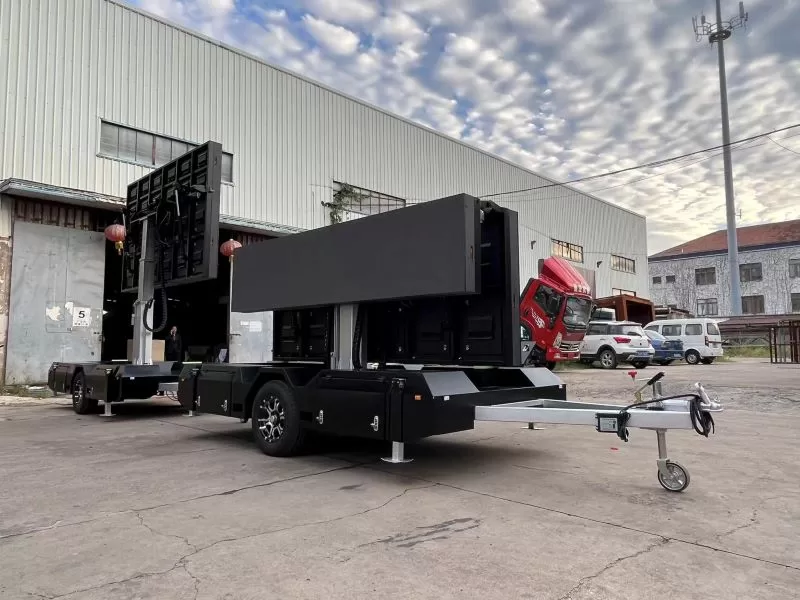
Mobiele LED-advertensies: verander beweging in mediawaarde
Mobiele LED-advertensieskerms keer die tradisionele logika van buitelugmedia om. In plaas daarvan om inhoud aan 'n plek te anker, heg hulle inhoud aan beweging. Hierdie verandering verander blootstelling doeltreffendheid fundamenteel.
'n Mobiele LED-skerm beweeg deur verskeie hoëdigtheidsones binne 'n enkele veldtogsiklus. Dit kan tydens spitstyd naby sakegebiede verskyn, vermaaklikheidsplekke in die nag en woongebiede oor naweke. Elke ligging lewer 'n duidelike gehoorprofiel, wat bereik vermenigvuldig sonder om mediaplasings te vermenigvuldig.
Vanuit 'n CPM-perspektief verbeter hierdie mobiliteit kostedoeltreffendheid dramaties. Terwyl metro-advertensies premietariewe hef vir vaste indrukke, versprei mobiele LED-advertensies produksie- en toerustingkoste oor verskillende gehore. Gevolglik daal effektiewe CPM dikwels terwyl waargenome nuwigheid en onthoubaarheid toeneem.
Boonop trek beweging self aandag. Mense let instinktief dinamiese voorwerpe in hul omgewing op. 'n Helder, bewegende LED-skerm onderbreek natuurlik visuele roetines, trek aandag waar statiese skerms in die agtergrond meng.
CPM herbesoek: meet aandag, nie net blootstelling nie
Tradisionele CPM-berekeninge fokus op die koste om duisend indrukke te lewer. In vandag se aandag ekonomie dra nie alle indrukke egter gelyke waarde nie.
Metro-advertensies tel indrukke op grond van voetverkeerskattings. Tog kom hierdie indrukke dikwels voor in deurmekaar omgewings waar gehore veelvuldig takel – fone nagaan, jaag of skares navigeer. Werklike boodskapabsorpsie bly onseker.
Mobiele LED-advertensieskerms verskuif die kwaliteit van indrukke. Wanneer 'n handelsmerk-LED-vragmotor 'n voetgangersone binnegaan of naby 'n gebeurtenis stadiger word, kyk mense op. Hulle wys, neem video's op en deel inhoud. Elke indruk hou langer en dra hoër herroepingspotensiaal.
Wanneer bemarkers verblyftyd, visuele oorheersing en sosiale versterking in ag neem, presteer die effektiewe CPM van mobiele LED-advertensies dikwels metro-advertensies met 'n wye marge. In die praktyk rapporteer handelsmerke 'n sterker handelsmerkverhoging, selfs wanneer rou indruktellings soortgelyk lyk.
Vir LED-skermverskaffers versterk hierdie insig die belangrikheid van helderheidkonsekwentheid, wye kykhoeke en kleurakkuraatheid—kenmerke wat boodskaphelderheid in uiteenlopende beligtings- en bewegingstoestande behou.
Geo-omheining: Presisie ontmoet fisieke reklame
Een van die mees dwingende voordele van mobiele LED-advertensieskerms lê in hul verenigbaarheid met geo-omheiningstrategieë. Tradisioneel behoort geo-omheining tot mobiele en digitale advertensies, waar advertensies aktiveer op grond van gebruikersliggingdata. Mobiele LED-advertensies bring hierdie logika in die fisiese wêreld.
Deur roetes rondom gedefinieerde geografiese sones te beplan, teiken adverteerders spesifieke demografie met akkuraatheid. Byvoorbeeld, 'n veldtog wat 'n kleinhandelopening bevorder, kan mobiele LED-skerms binne 'n gedefinieerde radius van die winkel tydens spitswinkelure ontplooi. 'n Produkbekendstelling kan gebeurtenislokale, kampusse of uitstallingsentrums volg.
Hierdie fisiese geo-omheining transformeer buitelug-reklame van 'n uitsaai-instrument in 'n semi-geteikende medium. Alhoewel dit nie op persoonlike data staatmaak nie, bring dit boodskaplewering in lyn met ruimtelike en tydelike relevansie.
Vanuit 'n produkoogpunt moet LED-skerms wat vir mobiele advertensies ontwerp is, vinnige inhoudveranderinge en skedulering ondersteun. Hoë verversingstempo's, stabiele draadlose beheer en modulêre kabinetontwerpe stel operateurs in staat om veldtogte vinnig aan te pas soos roetes en teikenstrategieë ontwikkel.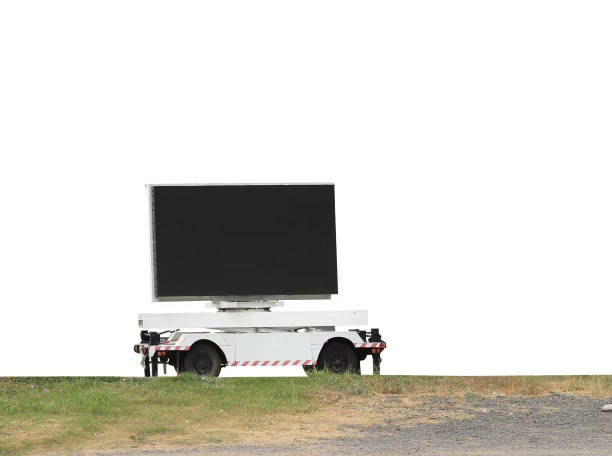
Scenario-onderdompeling: advertensies wat die oomblik binnegaan
Konteks definieer boodskapdoeltreffendheid. 'n Metro-advertensie bestaan saam met dosyne ander boodskappe, dikwels ontkoppel van die onmiddellike omgewing. In teenstelling hiermee integreer mobiele LED-advertensieskerms direk in stedelike scenario's.
Wanneer 'n mobiele LED-skerm naby 'n konsertlokaal verskyn wat 'n musiekhandelsmerk bevorder, versterk dit die oomblik. Wanneer dit 'n sportgeleentheid sirkuleer wat borgboodskappe vertoon, versterk dit emosionele betrokkenheid. Hierdie belyning tussen boodskap en omgewing skep scenario-onderdompeling.
Onderdompeling verhoog kognitiewe impak. Gehore assosieer die handelsmerk met 'n ervaring eerder as 'n ligging. Hierdie assosiasie verbeter herroeping en versterk emosionele resonansie, veral vir lewenstyl, vermaak en verbruikershandelsmerke.
Om meesleurende veldtogte te ondersteun, moet LED-skermhardeware hoë kontras en helderheid lewer, selfs in komplekse stedelike beligting. D-King se fokus op buite-graad helderheid, aanpasbare luminansie beheer, en robuuste strukturele ontwerp verseker skerms bly visueel dominant sonder om hul omgewing te oorweldig.
Interaksie en sosiale versterking
Statiese metro-advertensies inspireer selde interaksie. Mobiele LED-advertensieskermsnooi egter feitlik organies deelname.
Verbygangers fotografeer bewegende skerms. Sosiale media-plasings strek tot ver buite fisiese roetes. Sommige veldtogte bevat QR-kodes, regstreekse aftellings of interaktiewe oproepe tot aksie wat vanlyn blootstelling met aanlynbetrokkenheid oorbrug.
Hierdie interaksie vermenigvuldig mediawaarde sonder bykomende plasingskoste. Elke gedeelde prent of video skep sekondêre indrukke wat tradisionele CPM-modelle selde vasvang.
Vanuit 'n stelselperspektief maak betroubare LED-beheerstelsels en naatlose inhoudweergawe saak. Foute, flikkering of vertraging ondermyn geloofwaardigheid onmiddellik in 'n interaktiewe omgewing. Daarom moet mobiele LED-advertensieskerms stabiliteit naas visuele prestasie prioritiseer.
Dekkingsdoeltreffendheid: een skerm, baie gehore
Vaste-ligging-advertensies dwing adverteerders om tussen liggings te kies. Elke plasing teiken 'n nou gehoorsegment. Mobiele LED-advertensieskerms verwyder hierdie beperking.
'n Enkele skerm kan kantoorwerkers, kopers, toeriste en skares van die naglewe binne een dag bereik. Hierdie veelsydigheid pas by handelsmerke wat breë bewustheid soek sonder gefragmenteerde media-aankope.
Vir adverteerders wat nuwe markte toets of korttermynpromosies uitvoer, verminder mobiele LED-advertensies verbintenisrisiko. In plaas daarvan om lang kontrakte op vaste terreine te sluit, kry handelsmerke buigsaamheid om roetes en boodskappe intyds aan te pas.
Hierdie doeltreffendheid bevoordeel ook operateurs. Een mobiele LED-eenheid vervang veelvuldige statiese plasings, wat logistiek vereenvoudig en operasionele bokoste verminder.
Produkontwerpimplikasies vir mobiele LED-skerms
Die doeltreffendheid van mobiele LED-advertensies hang baie af van hardeware-ontwerp. In teenstelling met vaste skerms, ondervind mobiele eenhede vibrasie, weerveranderinge en konstante beweging.
Hoë kwaliteit kabinetkonstruksie, skokbestande modules en stabiele kragstelsels verseker konsekwente werkverrigting. Liggewig dog duursame materiale verminder voertuigvrag terwyl strukturele integriteit behou word.
Verder laat naatlose modulêre ontwerp onderhoud toe sonder lang stilstand. In mobiele advertensies beïnvloed betroubaarheid inkomste direk. Elke wanfunksie onderbreek blootstelling en ondermyn adverteerdervertroue.
Deur op hierdie produkvlakbesonderhede te fokus, stel LED-skermverskaffers adverteerders in staat om die strategiese voordele van mobiliteit ten volle te ontgin.
Datagedrewe evaluering en langtermynwaarde
Soos adverteerders aanspreeklikheid eis, integreer mobiele LED-advertensies toenemend dataopsporing. Roetelogboeke, blootstellingskattings en betrokkenheidsaanwysers help om prestasie te kwantifiseer.
Terwyl metro-advertensies staatmaak op statiese verkeersaannames, pas mobiele LED-veldtogte dinamies aan. Operateurs ontleed watter roetes sterker betrokkenheid genereer en verfyn toekomstige ontplooiings dienooreenkomstig.
Met verloop van tyd verbeter hierdie terugvoerlus doeltreffendheid en versterk die medium se geloofwaardigheid. Handelsmerke begin mobiele LED-advertensies nie as eksperimenteel beskou nie, maar as 'n kernkomponent van omnichannel-strategieë.
Gevolgtrekking: Van vaste skerms tot bewegende invloed
Mobiele LED-advertensievertoonskerms herdefinieer buitelugadvertensies deur beweging in mediawaarde te omskep. In vergelyking met metro-advertensies, lewer hulle hoër aandagdigtheid, sterker kontekstuele relevansie en voortreflike CPM-doeltreffendheid wanneer gemeet aan werklike betrokkenheid eerder as rou blootstelling.
Deur geo-omheiningslogika, scenario-onderdompeling en interaktiewe potensiaal te kombineer, word mobiele LED-advertensies 'n hoë-impak, koste-effektiewe dinamiese medium. Vir LED-skermverskaffers soos D-King, lê die geleentheid daarin om hierdie evolusie te ondersteun deur robuuste, buigsame en visueel kragtige produkte.
In moderne stede waar aandag voortdurend verskuif, maak die vermoë om saam met die gehoor te beweeg die verskil. Mobiele LED-reklame ding nie net mee met vaste-ligging-media nie - dit herdefinieer hoe handelsmerke sigbaarheid verdien in bewegingsgedrewe stedelike omgewings.