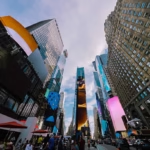
Architektur und Werbung existierten jahrzehntelang in einem Spannungsverhältnis. Herkömmliche Beschilderungen hinterlassen oft Narben an Gebäuden und stehen im Widerspruch zur Designabsicht. Allerdings hat die digitale Evolution ein neues Paradigma hervorgebracht. Modulare LED-Bildschirme Erstellen Sie jetzt eine „Digitale Haut“ für Gebäude.
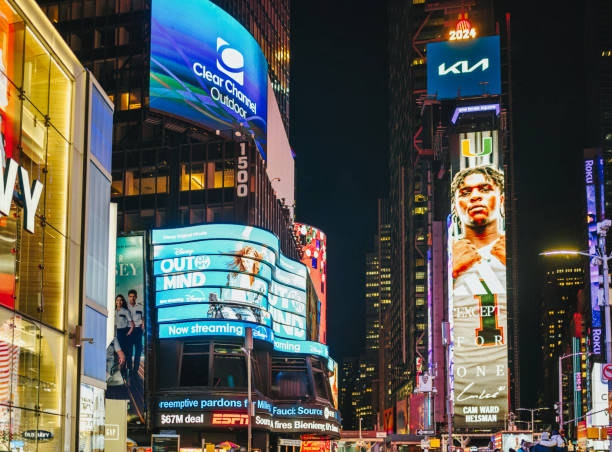
Diese Bildschirme sind nicht mehr aufdringlich und lassen Gebäude atmen und sprechen. Nachts senden sie nicht nur, sie erzählen Geschichten. Wolkenkratzer verwandeln sich in wogende Wälder oder fließende Kunstleinwände. Modulare LED-Technologie definiert urbane Ästhetik und kommerzielle Botschaften neu. Durch diese Fusion entsteht Kunst im öffentlichen Raum, die sich am Puls der Stadt orientiert.
1. Die architektonische Entwicklung: Von der starren Beschilderung zur „digitalen Haut“.
Früher war ein Werbebildschirm ein Produkt, das hinzugefügt wurde Zu ein Gebäude. Heute High-End Werbe-LED-Bildschirme integriert sind hinein die Identität des Gebäudes. Dieser Übergang wird durch Modularität ermöglicht.
Die nahtlose Integration von Form und Funktion
Modulare LED-Panels wirken wie biologische Zellen. Sie können skaliert, gekrümmt und um komplexe Geometrien gewickelt werden, die bei einem herkömmlichen Flachbildschirm nicht möglich wären.
Architektonischer Respekt: Anstatt Fenster zu blockieren oder die Silhouette eines Gebäudes zu stören, folgen modulare Einheiten – einschließlich transparenter und flexibler Optionen – den bestehenden Linien der Fassade.
Die „unsichtbare“ Anzeige: Tagsüber können fortschrittliche Bildschirmbeschichtungen die reflektierenden Eigenschaften von Glas oder die Textur von Stein nachahmen. Erst wenn die Sonne untergeht, erwacht die „Haut“ und offenbart ihre Fähigkeit, Licht und Bewegung auszustrahlen.
Die konkrete Leinwand neu definieren
Indem Architekten und Entwickler eine Fassade als „digitale Haut“ behandeln, können sie die „Materialität“ eines Gebäudes auf Knopfdruck verändern. Der Hauptsitz einer Bank kann morgens wie ein massiver Marmorblock und abends wie ein fließender Wasserfall aus Daten aussehen. Diese Flexibilität stellt sicher, dass das Gebäude ein relevanter Teilnehmer im visuellen Narrativ der Stadt bleibt.
2. Fließende Poesie: Inhalt als öffentliche Kunst
Die wahre Kraft der Moderne Werbe-LED-Bildschirme liegt in ihrer Fähigkeit, über den „harten Verkauf“ hinauszugehen. Wenn ein Bildschirm groß genug und klar genug ist, ist er keine Werbetafel mehr, sondern ein Wahrzeichen.
Saisonalität und öffentliche Emotionen
Modulare Bildschirme ermöglichen es der Stadt, den Rhythmus des Lebens widerzuspiegeln.
Der Saisonwechsel: Im Frühling könnte ein Wolkenkratzer in eine Kirschblütenblüte in Zeitlupe „umhüllt“ sein; im Winter verwandelt es sich in einen leuchtenden Kamin, der die visuelle Temperatur der Straße erwärmt.
Synchronisierung der öffentlichen Stimmung: Bei wichtigen öffentlichen Veranstaltungen oder Festivals können diese Bildschirme generative Kunst zeigen, die auf den Lärmpegel der Menschenmenge oder die Windgeschwindigkeit reagiert und so ein gemeinsames, interaktives Erlebnis schafft, das das Gemeinschaftsgefühl fördert.
Die „Slow Media“-Bewegung
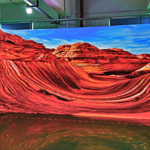
Durch die Nutzung hochauflösender Modularität investieren Marken jetzt in „Slow Media“. Anstelle schneller Werbeschnitte präsentieren sie filmische Erzählungen – eine abstrakte 3D-Skulptur, die sich über zehn Minuten verformt, oder eine hochauflösende Landschaft, die einen Drohnenflug durch ein verborgenes Tal nachahmt. Dieser Ansatz respektiert den visuellen Raum des Betrachters und verwandelt einen „Werbespot“ in ein „Geschenk der Schönheit“ an die Stadt.
3. Die Technologie der Muse: Präzision im Schatten
Um ein Gebäude in ein „Liquid Poem“ zu verwandeln, muss die Hardware einwandfrei sein. Jeder Fehler, jede Naht oder jede Farbinkonsistenz würde die poetische Illusion zerstören.
Modularität im Submillimeterbereich: Professional Werbe-LED-Anzeige Bildschirme Nutzen Sie präzisionsgefertigte Module, die ohne sichtbare Nähte zusammenstecken. Ob die Leinwand 10 oder 1.000 Quadratmeter groß ist, das Bild bleibt eine perfekte, einzigartige Einheit.
Tiefer Kontrast und „True Black“: Damit eine Ausstellung wie ein „Nachtgedicht“ aussieht, muss sie in der Dunkelheit verschwinden können. Kontrastreiche LED-Chips sorgen dafür, dass das „Schwarz“ auf dem Bildschirm so tief ist wie der Nachthimmel, sodass der leuchtende Inhalt auf der Gebäudeoberfläche „schweben“ kann, ohne dass ein grauer Kasten um ihn herum sichtbar ist.
Adaptive Helligkeitslogik: Intelligente Sensoren stellen sicher, dass der Bildschirm niemals „visuell verunreinigt“ wird. In den späten Stunden wird es zu einem sanften, stimmungsvollen Licht gedimmt, das den Komfort der Bewohner schützt und gleichzeitig die Eleganz der visuellen Erzählung beibehält.
4. Die neue Grammatik: Kommerzielle und ästhetische Symbiose
Wir treten in eine Ära ein, in der kommerzielle Informationen und urbane Schönheit kein Widerspruch mehr sind. Durch „Atmospheric Branding“ haben sie einen neuen Weg des Zusammenlebens gefunden.
Brand als Kurator: Marken sind nicht mehr nur „Werbetreibende“; Sie sind „Kuratoren der Nacht“. Durch das Sponsoring hochwertiger digitaler Kunst an der Fassade eines Gebäudes verbindet eine Marke ihre Identität mit Schönheit, Innovation und Bürgerstolz.
Interaktiver Kommerzialismus: Durch die mobile Integration können Passanten mit der Stadtmauer interagieren – indem sie die Farbe des „Lichtgedichts“ wählen oder an einem digitalen Kunstwerk teilnehmen – und gleichzeitig auf subtile Weise mit dem Ökosystem der Marke interagieren.
Wirtschaftsaufschwung: Daten zeigen, dass Bereiche mit hochwertiger „Art-Integrated“ Digital Signage einen erhöhten Fußgängerverkehr und eine Steigerung des wahrgenommenen Wertes der umliegenden Immobilien verzeichnen.
5. Nachhaltigkeit im digitalen Zeitalter
Der „Digital Skin“ ist zudem eine nachhaltigere Lösung als herkömmliches großformatiges bedrucktes Vinyl.
Kein physischer Abfall: Um eine Kampagne oder eine öffentliche Botschaft zu ändern, müssen keine Materialien gedruckt, versendet oder auf eine Mülldeponie geworfen werden. Ein paar Codezeilen aktualisieren das gesamte Gebäude.
Energieeffizienz: Modern Werbe-LED-Bildschirme Nutzen Sie die Common-Cathode-Technologie und eine hocheffiziente Wärmeableitung, wodurch der Stromverbrauch im Vergleich zu Modellen von vor einem Jahrzehnt um bis zu 30–50 % gesenkt wird.
Langlebigkeit: Da das System modular aufgebaut ist, kann es bei Ausfall eines kleinen Teils innerhalb von Minuten ausgetauscht werden (Hot-Swapping), ohne dass sich dies auf den Rest des Displays auswirkt, wodurch sich die Lebensdauer der Architekturhülle auf 100.000 Stunden oder mehr verlängert.
6. Fazit: Die lebendige Stadt
Mit zunehmender Dichte städtischer Zentren wird die Qualität unserer visuellen Umgebung zu einem Faktor unserer Lebensqualität. Der modularer LED-Bildschirm ist das Werkzeug, das es der „Stadt aus Stein“ ermöglicht, zur „Stadt des Lichts“ zu werden.
Indem wir statische Wände in fließende, poetische Leinwände verwandeln, verkaufen wir nicht nur Produkte; Wir bereichern die öffentliche Seele. Das Gebäude wird zum Erzähler, die Nacht zur Bühne und die Marke zum Künstler. Die erfolgreichsten Städte der Zukunft werden diejenigen sein, die nicht nur im Dunkeln stehen, sondern die die „Digitale Haut“ nutzen, um eine Geschichte zu erzählen, die uns alle bewegt.