-

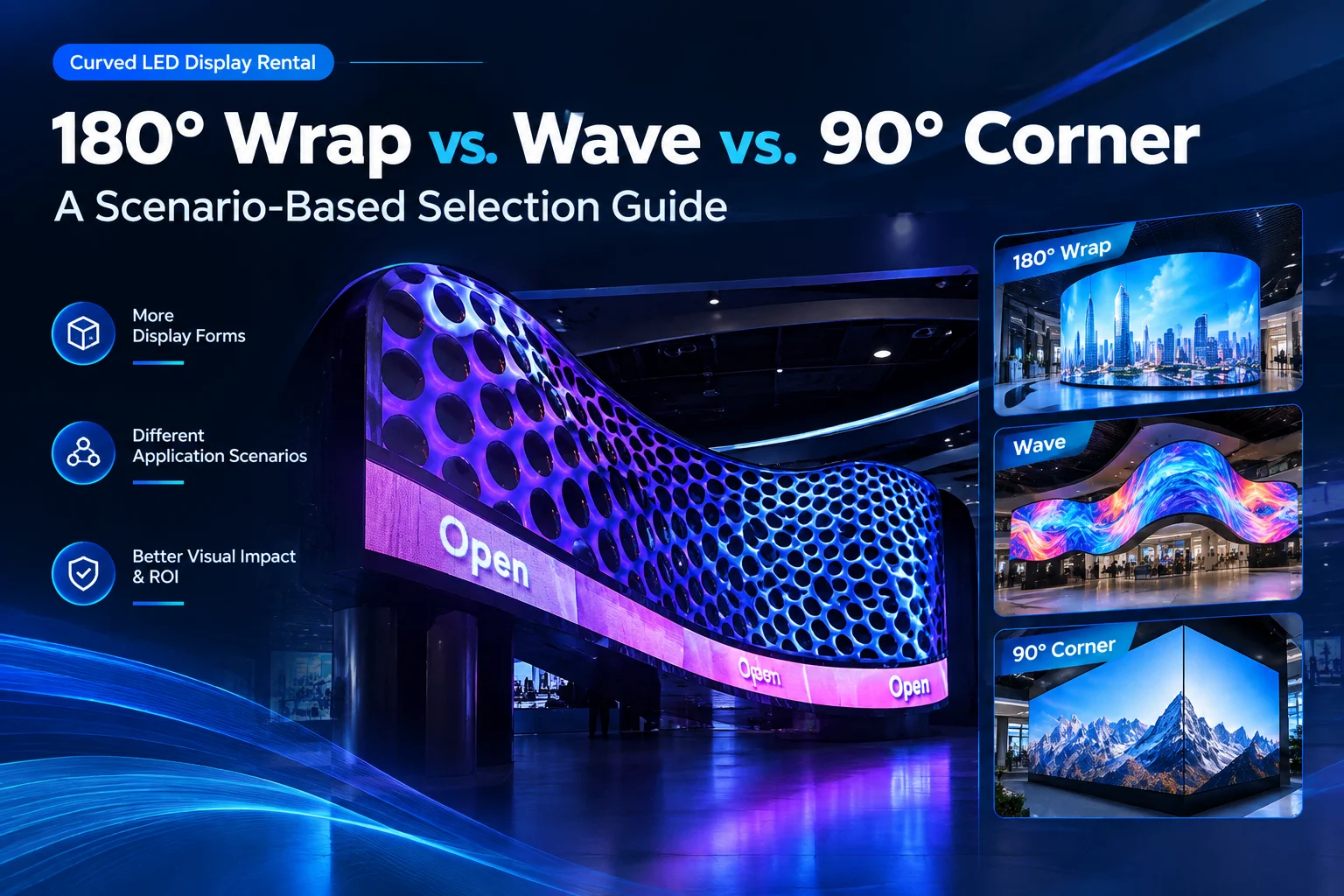
180° Wrap vs. Wave vs. 90° Corner: A Scenario-Based Selection Guide for Curved LED Display Rentals
Choosing a curved LED display rental for live events, trade shows, or immersive brand activations involves more than selecting a screen shape. Curvature radius, viewing angles, cabinet connections, and content design all affect the final visual experience. A gentle concave screen can improve stage presentation visibility, while a 180° wraparound creates an immersive environment. Serpentine…
-
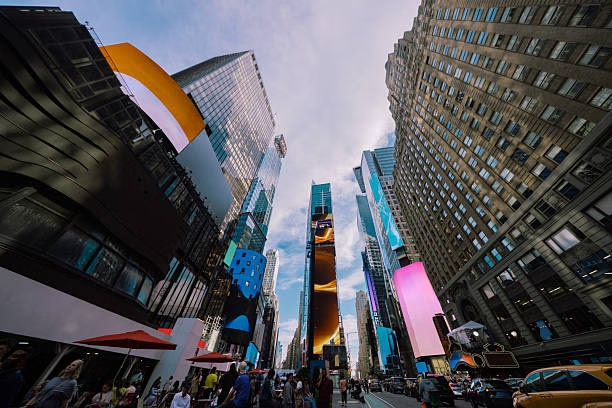
Hanging vs. Stacking: A Decision Matrix to Select the Right LED Installation Before Arriving On-Site
Choosing between hanging and ground-stacking an LED display affects structural safety, installation efficiency, venue requirements, and event costs. 👉Outdoor LED display For event rental operators, AV production engineers, and stage technicians, selecting the wrong hanging vs. stacking LED display installation method can cause expensive delays and serious job-site hazards. A venue may lack certified overhead…
-
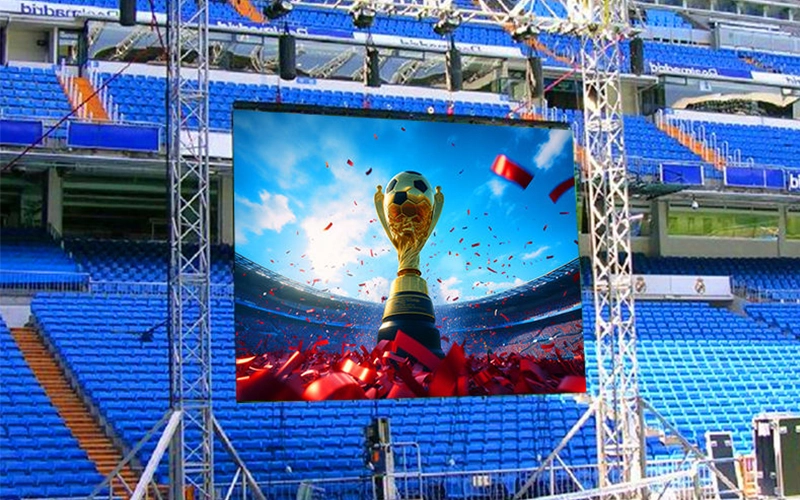
How Universal LED Display Modules Can Cut Spare Parts Inventory by 50%
How Universal LED Modules Can Reduce Spare Part SKUs by 50% The potential 50% reduction comes from the number of module types rather than an automatic 50% reduction in total inventory spending. Suppose an LED display system requires: 100 left modules 100 right modules A conventional system requires 200 position-specific spare modules if the operator…
-
Front Maintenance vs. Rear Maintenance: How Much Back Space Can You Really Save?
For outdoor LED display projects, the choice between a front maintenance LED display and a rear maintenance design is not only about how technicians access the screen. It can directly determine how much installation space a project needs—and how much that space costs. Traditional rear maintenance LED displays may require approximately 600–1000 mm of service…
-
Transparent Film LED Displays vs. Cabinet Transparent Screens: How Lightweight Design Shapes Procurement
Architectural lighting designers, commercial property managers, and LED display buyers frequently face a key technical decision when planning media facades and indoor window displays: “Where lies the exact operational boundary between transparent film LED screens and rigid cabinet transparent screens, and how should weight and structural complexity guide procurement?” While traditional cabinet-based transparent LED screens…
-
Indoor vs Outdoor LED Display: How to Choose the Right Solution?
When selecting a modular LED display, many buyers ask: “What is the real difference between indoor and outdoor LED displays? Can an outdoor LED screen be installed indoors?” Although both systems use LED technology to display images and videos, their designs focus on completely different environmental requirements. The key differences between indoor vs outdoor LED…
-
Front Maintenance vs. Rear Maintenance Modular LED Displays: Architectural Constraints & Cost Comparison
Why Maintenance Design Determines LED Display Project Cost When architects and project owners design embedded LED display installations, they often focus on screen size, brightness, and visual performance. However, maintenance accessibility becomes one of the most critical factors affecting long-term project cost. A large-scale modular LED screen installed directly into a building facade, wall, or…
-
How to Eliminate Moiré Effect and Scan Lines When Filming Fine-Pitch LED Display
In professional filming environments, fine-pitch LED displays have become a critical visual tool for broadcast studios, XR virtual production, and commercial video production. However, many production teams still face two major challenges when capturing LED screens with cameras: moiré effects and visible scan lines. These unwanted patterns can reduce image quality, damage visual consistency, and…
-
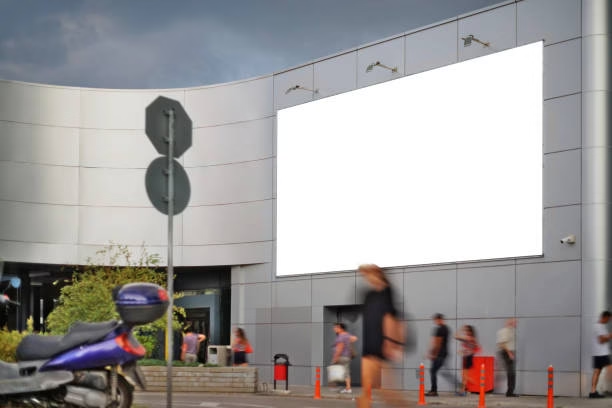
IP65 vs. IP54 LED Display Enclosures: Choosing the Right Modular LED Screen Ingress Protection for Indoor and Semi-Outdoor Environments
Commercial developers, retail operators, and DOOH buyers often compare IP54 and IP65 LED display enclosures before installation. A common question is: Is an IP54 LED display suitable for a semi-outdoor environment, or is IP65 the better choice? The answer depends on the installation location, weather exposure, and long-term operating conditions. Therefore, understanding ingress protection ratings…

+86 13302962639
May mga Tanong ka ba?
BALITA
Manatiling napapanahon sa aming pinakabagong balita