No cenário de publicidade digital em rápida evolução, Telas de exibição de anúncios LED tornaram-se um meio vital para comunicação em ambientes internos e externos. Seu brilho, visual dinâmico e escalabilidade os tornam ferramentas indispensáveis para campanhas de marketing modernas. No entanto, à medida que a competição pela atenção do espectador se intensifica, o design visual tornou-se o factor determinante que determina o sucesso da publicidade LED. Este artigo explora os princípios básicos de design que tornam os displays de anúncios LED mais envolventes, extraindo insights de perspectivas criativas e técnicas.
I. O papel do design no envolvimento com publicidade LED
O poder visual das telas de LED para anúncios não reside apenas nas especificações de hardware, mas também na execução criativa do conteúdo. A resolução de alta definição e o desempenho de cores vibrantes só podem atingir todo o seu potencial quando combinados com um design inteligente. A publicidade LED bem-sucedida comunica emoções e informações em segundos. Portanto, o design deve guiar a atenção do público e ao mesmo tempo reforçar a identidade da marca.
Além disso, a publicidade LED difere significativamente dos outdoors estáticos tradicionais. Movimento, interatividade e contraste de iluminação exigem uma estratégia de design que otimize a clareza e o ritmo visual. O processo criativo deve levar em conta como os espectadores percebem o conteúdo de diversas distâncias, ângulos e condições de iluminação ambiental.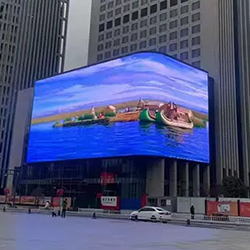
II. Psicologia das Cores e Harmonia Visual
A cor continua sendo um dos elementos mais influentes no design de displays de anúncios LED. Como as telas de LED podem reproduzir uma vasta gama de tons com brilho excepcional, os designers devem equilibrar vibração com legibilidade. A saturação excessiva pode causar ofuscamento ou fadiga visual, reduzindo a eficácia da mensagem.
Usar a psicologia das cores estrategicamente ajuda a evocar respostas emocionais. Tons quentes geralmente comunicam energia e urgência, enquanto paletas mais frias sugerem calma e confiabilidade. A consistência da marca deve orientar as escolhas de cores, garantindo que cada matiz suporte o impacto emocional desejado. Além disso, manter o contraste entre o texto e o fundo melhora a legibilidade, especialmente sob luz solar ou sob luz ambiente intensa.
Gradientes de transição e efeitos de iluminação podem adicionar profundidade visual, mas a moderação continua essencial. O objetivo final é aumentar a clareza da mensagem e não sobrecarregar o espectador.
III. Dinâmica de movimento e narrativa por meio de animação
O movimento é uma vantagem definidora das telas publicitárias de LED. As sequências animadas atraem o olho humano com muito mais eficácia do que as imagens estáticas. No entanto, um design de animação bem-sucedido requer ritmo, ritmo e intenção. Cada transição deve contribuir para o fluxo e a compreensão da narrativa.
Animações curtas e em loop funcionam melhor em ambientes de alto tráfego, como shoppings e rodovias. Esses designs dependem da repetição para reforçar a lembrança da marca sem exigir atenção total do espectador. Em contraste, animações narrativas mais longas são adequadas para exposições internas, aeroportos ou locais de eventos onde o público pode interagir por longos períodos.
Transições suaves entre cenas evitam sobrecarga cognitiva. Flashes repentinos ou movimentos erráticos distraem em vez de envolver. O conteúdo eficaz do anúncio LED usa energia cinética para chamar a atenção e uma conexão emocional simultaneamente.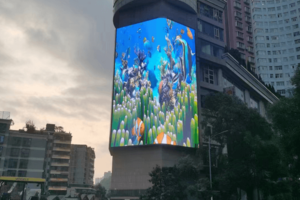
4. Tipografia e legibilidade em ambientes de movimento
A tipografia geralmente define como o público interpreta as mensagens visuais. No conteúdo do display LED, a seleção da fonte determina a legibilidade e o tom. As fontes sem serifa têm melhor desempenho em telas de LED devido às suas linhas limpas e clareza em várias resoluções.
O tamanho e o espaçamento da fonte também influenciam a legibilidade. Como muitos displays de LED são visualizados a vários metros de distância, fontes minimalistas com kerning suficiente melhoram a velocidade de reconhecimento. Os designers devem evitar blocos de texto densos e, em vez disso, concentrar-se em mensagens concisas e impactantes.
A tipografia dinâmica – onde o texto se move ou faz transições – pode ser poderosa quando cronometrada adequadamente. Revelações graduais, efeitos de rolagem ou fades sincronizados enfatizam palavras-chave sem desviar a atenção das imagens.
V. Contraste, brilho e adaptação ambiental
Um dos maiores desafios no design de publicidade LED reside na adaptação visual às mudanças nas condições ambientais. Telas de exibição de anúncios LED para exteriores enfrentam luz solar direta, chuva ou iluminação noturna, cada um exigindo níveis de brilho distintos.
A tecnologia de ajuste automático de brilho ajuda a manter a visibilidade ideal. No entanto, o próprio design deve antecipar essas variações. Layouts de alto contraste garantem que as mensagens permaneçam legíveis, independentemente das flutuações de iluminação. Além disso, os designers devem testar os visuais em diferentes simulações ambientais para garantir uma qualidade consistente.
Os reflexos ambientais ou fontes de iluminação próximas podem alterar o brilho percebido. Compreender esses fatores ajuda a refinar a calibração do hardware e a direção criativa.
VI. Composição Espacial e Perspectiva do Público
Cada local de instalação apresenta ângulos de visão e distâncias de audiência únicos. Por exemplo, as telas de LED para anúncios em lojas de varejo visam os transeuntes de perto, enquanto os outdoors externos alcançam os motoristas a centenas de metros de distância. A composição eficaz alinha os elementos do design com a perspectiva do público.
Em aplicações de visão próxima, detalhes intrincados e animações sutis podem aprimorar a narrativa. Em contraste, as instalações em grande escala requerem imagens simplificadas, texto em negrito e uma forte hierarquia visual. Os designers devem priorizar os pontos focais e guiar o olhar do espectador usando dicas direcionais, como linhas principais ou fluxo de movimento.
Compreender o comportamento do rastreamento ocular garante que informações vitais – como logotipos ou apelos à ação – ocupem posições visualmente dominantes.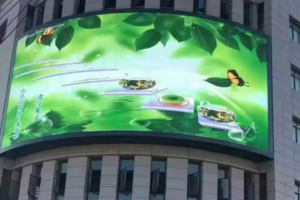
VII. A importância da atualização de conteúdo e integração de dados
Mesmo o display LED visualmente mais atraente pode perder impacto sem atualizações regulares de conteúdo. As estratégias de publicidade modernas agora integram dados em tempo real para manter as exibições atualizadas e relevantes. Gatilhos baseados no clima, feeds de mídia social ou promoções baseadas em localização adicionam imediatismo à experiência do espectador.
Além disso, telas modulares de LED para anúncios de fabricantes como D-King permitem a sincronização perfeita de conteúdo em vários painéis. Essa flexibilidade permite que os anunciantes ajustem as campanhas de forma dinâmica, mantendo ao mesmo tempo mensagens de marca coesas.
O design orientado por análises, alimentado por dados de interação do público, ajuda a refinar o conteúdo ao longo do tempo. Ao analisar o tempo de permanência e as métricas de engajamento, os profissionais de marketing podem identificar quais designs repercutem de forma mais eficaz.
VIII. Equilibrando criatividade com estratégia de marca
Embora a precisão técnica seja crucial, a dimensão emocional e estratégica do design continua a ser primordial. Cada campanha deve equilibrar a exploração criativa com a identidade da marca. Um anúncio LED visualmente deslumbrante terá pouco resultado se não comunicar os valores essenciais da marca.
Os designers devem trabalhar em estreita colaboração com os estrategistas da marca para alinhar a estética visual com o tom da mensagem. Seja promovendo bens de luxo, tecnologia ou entretenimento, o conteúdo LED deve refletir a voz da marca, ao mesmo tempo que proporciona resultados de marketing mensuráveis.
Esta sinergia entre a criatividade do design e a clareza estratégica define o sucesso a longo prazo dos investimentos em publicidade LED.
IX. Conclusão: Projetando para o Futuro da Publicidade LED
À medida que a tecnologia LED avança, os limites do design criativo continuam a expandir-se. Inovações em densidade de pixels, curvatura e interatividade permitem que os designers criem experiências visuais imersivas que antes eram impossíveis. No entanto, apesar destas conquistas técnicas, a base do envolvimento continua a ser o design centrado no ser humano.
O conteúdo envolvente do anúncio em LED combina narrativa emocional com precisão visual. Ao integrar o uso cuidadoso de cor, movimento, tipografia e design espacial, os anunciantes podem transformar espectadores passivos em participantes ativos.
Em última análise, as telas de LED para anúncios representam mais do que um meio tecnológico – elas incorporam a interseção de arte, ciência e estratégia. Empresas como D-King continuar a capacitar as marcas com soluções modulares de painéis LED que transformam a visão criativa em impacto visual mensurável.