Esnek LED Tasarım Trendlerine Doğru Geçiş
Tasarımcılar katı formatlardan kurtulan görsel sistemler talep ettikçe esnek LED teknolojisi gelişmeye devam ediyor. Yaratıcı enstalasyonlar artık bir zamanlar dijital içeriği destekleyemeyen yapılara bükülen, yuvarlanan ve uyum sağlayan ekranlara dayanıyor. Bu değişim, kullanıcıların ticari ortamları, etkinlik alanlarını, perakende atmosferlerini ve mimari yüzeyleri tasarlama biçimini değiştiriyor. Aynı zamanda malzeme biliminde esnekliğe olanak tanıyan daha derin bir dönüşümü de yansıtıyor. düzensiz LED ekranlar Güvenilir görüntü performansı sunarken kararlılığı korumak için. Konsept basit görünse de, bu gelişmiş görsel sistemlerin arkasındaki bilim, malzemeler, elektronikler ve yapısal tasarım arasındaki karmaşık etkileşimi ortaya koyuyor.
Yapısal Esnekliğin Arkasındaki Malzeme Katmanları
Yükselişi esnek düzensiz LED ekranlar Bir tasarım ihtiyacıyla başlar ancak o tasarımın başarısı sistemdeki her katmanın fiziksel davranışına bağlıdır. Bu ekranlar elektriksel sürekliliği kaybetmeden eğrilere uyum sağlamalıdır. Kullanıcılar şekillerini tekrar tekrar değiştirseler bile yorulmaya karşı dayanıklı olmaları gerekir. Işık çıkışını korurken ısıyı, basıncı ve mekanik yükü yönetmeleri gerekir. Bu talepler üreticileri alt tabakaları, kapsülleme malzemelerini, LED'leri ve devre düzenlerini yeniden tasarlamaya itiyor. Bu iyileştirmeler bir araya geldikçe kurulumların düz geometrinin ötesine geçmesine ve görsel iletişimi geliştiren yeni yaratıcı formatları desteklemesine olanak tanıyor.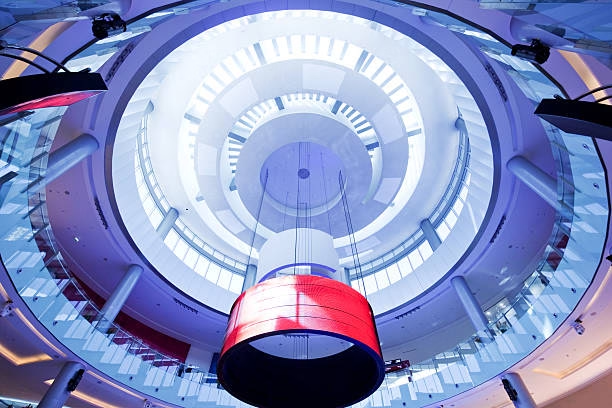
Yüzey Mühendisliği ve Termal Kararlılık
Pek çok izleyici yalnızca son görsel efekti fark etse de temel, alt tabakada yatmaktadır. Geleneksel sert PCB'ler bükülmeyi sınırlar ve eğrilere zorlandığında gerilim noktaları üretir. Bununla birlikte, esnek düzensiz LED ekranlar, mekanik gerilimi tüm yüzeye dağıtan elastik alt tabakalar kullanır. Bu, çatlama riskini azaltır ve uzun vadeli yapısal bütünlüğü korur. Esnek LED modülleri çalışma sırasında hala ısı ürettiğinden alt tabaka da termal bir rol oynar. Gelişmiş polimer kompozitler ısı transferini iyileştirir ve sabit bir çalışma sıcaklığı sağlar. Bu, ışık tutarlılığını artırır ve bileşen arızası riskini azaltır. Ayrıca bu alt tabakalar, tasarımcıların ekranları kompakt ortamlara entegre etmelerine olanak tanıyan ince profilleri destekler.
Esnek Kapsülleme ve Optik Kararlılık
Alt tabaka bükülmeye ve ısınmaya karşı dayanıklı olduğundan, LED ambalaj malzemelerinin de bu esnekliğe uygun olması gerekir. Standart LED ambalajında, çatlamadan esneyemeyen sert epoksi kullanılır. Esnek LED modülleri, deformasyona izin verirken optik netliği koruyan yumuşak kapsülleme bileşenlerine dayanır. Bu bileşikler darbe kuvvetini dağıtır, titreşim hasarını azaltır ve toza ve neme karşı sızdırmaz bir bariyer oluşturur. Ayrıca, gelişmiş silikon malzemeler optik şeffaflığı uzun süre koruyarak parlaklık çıkışını ve renk doğruluğunu dengelemeye yardımcı olur. Bu, sahne setleri veya mimari cepheler gibi dinamik ortamlarda bile güvenilir kalan görsel performansa yol açar.
Eğilme Stresi Altında Devre Davranışı
Devre performansı aynı zamanda esnek düzensiz LED ekranların güvenilirliğini de şekillendirir. Her devre, iletken yolları kesmeden bükülme kuvvetlerini absorbe etmelidir. Mühendisler bunu modülle birlikte uzanan kıvrımlı izler tasarlayarak başarıyor. Bu izler ekran esnedikçe hareket ederek hassas alanlarda stres yoğunlaşmasını önler. Mikro aralıklı bakır, iletken mürekkepler ve hibrit esnek devrelerin kullanılması sağlamlığı daha da artırır. Devre harekete uyum sağladıkça LED sürücü sisteminin sürekli esnemeye rağmen düzenlenmiş akım akışını sürdürmesi gerekir. Kararlı akım, gri tonlama hassasiyetini artırır ve hareketin, güneş ışığının veya termal döngünün görüntü kalitesini etkilememesini sağlar.
Kavisli Tesisatlar için Termal Yönetim
Isı yönetimi esnek LED kurulumlarında kritik bir rol oynar. Bu sistemler düşük güçlü LED'ler kullansa da kavisli veya kapalı uygulamalar genellikle ısıyı hapseder. Yüksek sıcaklık birikimi LED'in ömrünü kısaltır ve renk stabilitesini zayıflatır. Bunu önlemek için üreticiler termal olarak iletken yapıştırıcılar, nefes alabilen kapsülleme katmanları ve ısının eşit şekilde yayılmasını sağlayan geliştirilmiş PCB düzenlerini entegre ediyor. Bu, kavisli kurulumların uzun ömür ve güvenilirlik açısından geleneksel sert ekranlar gibi davranmasını sağlar. Termal strateji aynı zamanda ekranı, özellikle geniş kapsamlı ortamlarda görüntü farklılıklarına neden olan sıcak noktalardan da korur.
Mekanik Yapı ve Montaj Esnekliği
Esnek düzensiz LED ekranların arkasındaki mekanik yapı, malzemeler kadar performansı da etkiler. Tasarımcılar modüllerin düzgün ve sürekli yüzeyler oluşturacak şekilde kilitlendiğinden emin olmalıdır. Manyetik veya yumuşak çerçeveli montaj sistemleri, kullanıcıların ekranları kavisli metal çerçevelere veya şekillendirilmiş yüzeylere tutturmasına olanak tanır. Bu sistemler, piksel seviyesinde düzlüğü korurken şekil değişimine uyum sağlar. Mekanik arayüz aynı zamanda titreşimleri de emerek, ekranlar hareketli yapılara monte edildiğinde görüntü çıktısının dengelenmesine yardımcı olur. Güçlü mekanik esneklik aynı zamanda taşıma verimliliğini de destekler. Bu, nakliye hacmini azaltır ve kurulum işçiliğini azaltır, bu da uzun vadeli proje değerini artırır.
Kavisli Yüzeylerde Optik Tekdüzelik
Görsel performansın şekil değişikliklerinde sabit kalması gerektiğinden optik tutarlılık hayati önem taşır. Kavisli yüzeyler görüş açılarını etkiler ve ışık dağılımını bozabilir. Esnek düzensiz LED ekranlar, ışığı ekran yüzeyine eşit şekilde dağıtan geniş açılı LED lensler kullanarak bu sorunu çözer. Bu lensler, izleyiciler modüle yakın durduğunda bile renk bütünlüğünü korur. Optik tasarımları aynı zamanda normalde bir panelin bükülmesi sırasında oluşan parlama noktalarını da önler. Bu teknoloji, kavisli ekranların ticari beklentileri karşılayan pürüzsüz, yüksek kontrastlı görüntüler sunmasına olanak tanır.
Dayanıklılık ve Çevresel Direnç
Dayanıklılık aynı zamanda esnek LED kurulumlarının başarısını da tanımlar. Bu ekranlar, kullanımla, kazara baskıyla veya tekrarlanan ayarlamalarla karşılaşılabilecek ortamlarda çalışır. Yumuşak kapsülleme katmanları LED'leri dış kuvvetlerden korur. Güçlendirilmiş kenar yapıları modül sınırında yırtılmayı önler. Neme dayanıklı malzemeler dış mekan kullanımı sırasında devreyi korur. Bu iyileştirmeler birlikte, bükülme yeteneğini ortadan kaldırmadan genel dayanıklılığı artırır. Ayrıca anti-UV katkı maddeleri silikon katmanları güneş ışığı altında sararmaya karşı korur. Bu, uzun vadeli optik netliği artırır ve ekranın temiz bir görünümde kalmasını sağlar.
Dinamik Şekiller için Güç Dağıtım Stratejileri
Esnek, düzensiz LED ekranlarda güç dağıtımı daha karmaşık hale gelir. Bükülme devre boyunca direnç değişiklikleri yaratabilir. Mühendisler bu sorunu uyarlanabilir güç yolları tasarlayarak çözüyor. Bu yollar akım akışını dengeler ve parlaklık değişimine neden olan voltaj düşüşlerini önler. Verimli güç dağıtımı aynı zamanda genel termal stratejiyi destekleyen ısı üretimini de azaltır. Yüksek verimli sürücüler, özellikle düşük parlaklıktaki sahnelerde güç kararlılığını daha da artırır ve gri tonlama doğruluğunu artırır. Bu iyileştirmeler, bir zamanlar sert paneller için ayrılmış olan esnek LED sistemleri performans seviyelerini sağlar.
Tasarım Özgürlüğünün Endüstriler Arasında Genişletilmesi
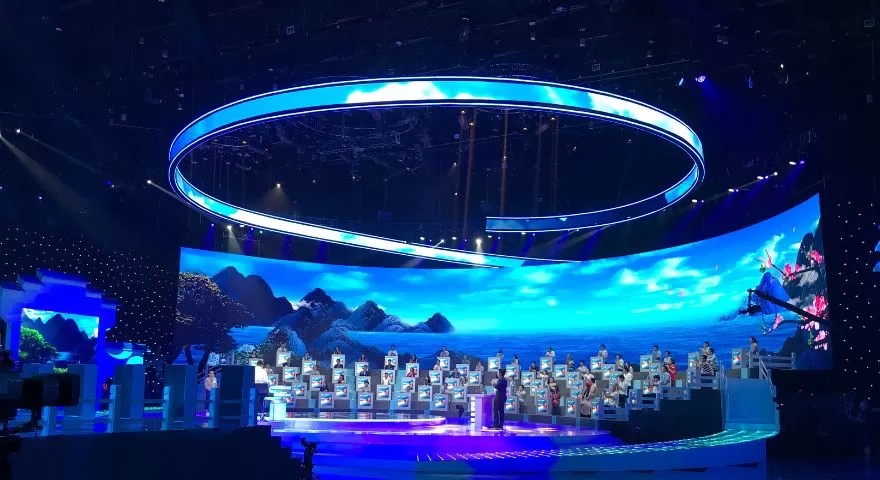
Esnek düzensiz LED ekranlar, kullanıcıların sürükleyici ortamları tasarlama biçimini yeniden şekillendiriyor. Perakende tasarımcıları bunları yüzeyleri kaplamak ve dinamik hikaye anlatma bölgeleri oluşturmak için kullanıyor. Etkinlik yapımcıları bunları özel sahne yapılarına entegre ediyor ve sanatçı etkileşimini artıran şekiller oluşturuyor. Mimarlar esnek LED ekranları kavisli duvarlara, tavanlara ve sütunlara yerleştiriyor. Sergiler bunları dikkat çeken ve harekete yön veren organik formlar için kullanıyor. Her ortamda esnek ekran, ayrı bir öğe olmaktan ziyade yapının bir parçası haline gelir. Bu entegrasyon yaratıcı potansiyeli arttırır ve görsel iletişimin mekansal deneyimin bir parçası haline gelmesine olanak tanır.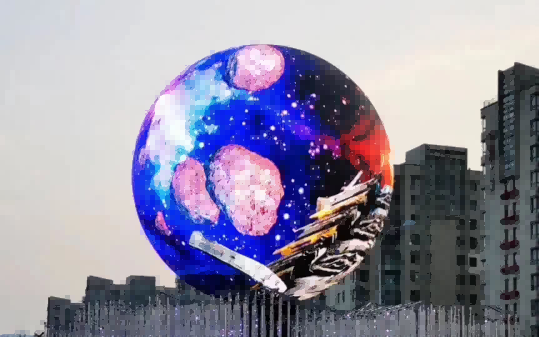
Basitleştirilmiş Bakım ve Yapısal Erişilebilirlik
Bu ekranlar aynı zamanda bakım stratejilerini de etkiler. Kolayca bükülebilen modüller, teknisyenlerin tüm yapıyı kaldırmadan iç alanlara erişmesine olanak tanır. Esnek devreler servis işlemleri sırasında düğümlenme veya kopma riskini azaltır. Hafif tasarımlar kullanımı kolaylaştırır ve kurulum süresini azaltır. Bu özellikler proje güvenilirliğini artırır ve büyük kurulumlarda bakım maliyetlerini azaltır. Esnek LED modüllerinin çoğu önden veya arkadan servisi desteklediğinden, kullanıcılar bunları dar veya heykelli alanlar da dahil olmak üzere çeşitli mimari ortamlarda muhafaza edebilir.
Kavisli Ekranlarda Gelişmiş İçerik Performansı
Yaratıcı uygulamalar genişledikçe, esnek düzensiz LED ekranlar gelişmiş içerik performansını desteklemelidir. Yüksek yenileme hızları, kavisli modüllerin hızlı hareket eden grafikleri titreme olmadan işlemesini sağlar. Yüksek gri tonlama, geniş kavisli yüzeylerin yumuşak geçişleri sürdürmesini sağlar. Güçlü kontrast, karmaşık aydınlatma ortamlarında görünürlüğü artırır. Bu optik avantajlar, ekranların sürükleyici hikaye anlatımını, simülasyon ortamlarını veya ticari markalamayı desteklemesine yardımcı olur. İçerik geliştikçe ekranın düzensiz şekillerde tutarlılığı koruması gerekir. LED malzemeleri, sürücü hassasiyeti ve optik tasarımdaki gelişmeler, ekranların bu beklentileri karşılamasına olanak tanıyor.
Güvenilirlik Testi ve Uzun Vadeli Yapısal Bütünlük
Yüzeyin bükülmesine rağmen uzun vadeli bütünlük kritik olmaya devam ediyor. Esnek düzensiz LED ekranların ömrü, sağlam malzemelerin, güçlü kapsüllemenin ve kararlı elektriksel davranışın birleştirilmesine bağlıdır. Bu modüller sert panellere göre daha fazla fiziksel etkileşime maruz kaldığından kalite kontrolü hayati hale gelir. Üreticiler bükme döngülerini, termal döngüyü, titreşim direncini ve optik tutarlılığı test eder. Bu testler, ekranın performans kaybı olmadan gerçek koşulları karşılayabildiğini doğrular. Bu, trafiğin yoğun olduğu alanlardaki kurulumların yıllarca stabil kalmasını sağlar.
Temel İnovasyon Gücü Olarak Malzeme Bilimi
Sektörün evrimi malzeme bilimindeki daha derin bir eğilimi yansıtıyor. Esnek LED modüllerinin her nesli, daha güçlü polimerleri, geliştirilmiş silikon optikleri ve daha verimli devre tasarımlarını birleştirir. Bu iyileştirmeler, donanımdan ziyade kumaş gibi davranan ekranlar yaratıyor. Kullanıcılar, mekanik kısıtlamalar yerine yaratıcı vizyona dayalı şekiller tasarlar. İçerik oluşturucular artık mimariye uyum sağlayan görsel anlatılar oluşturuyor. Bu dönüşüm, dijital tabela ve interaktif medyanın sınırlarını genişletiyor. Ayrıca içeriğin biçimle harmanlandığı sürükleyici deneyimlerin yaratılmasını da destekler.
Sonuç: Esnek Düzensiz LED Ekranların Geleceği
Piyasada kavisli, bükülmüş ve şekillendirilmiş kurulumlar talep edilmeye devam ederken, esnek, düzensiz LED ekranlar yaratıcı ortamların merkezinde kalmaya devam edecek. Başarıları mekanik dayanıklılık, optik berraklık, termal kararlılık ve elektriksel hassasiyetin birleşimine bağlıdır. Malzeme bilimi bu nitelikleri mümkün kılan itici güç görevi görmektedir. Dayanıklılığı artırır, parlaklık stabilitesini artırır ve tasarım özgürlüğünü genişletir. Bu, görsel sistemlerin uzaya nasıl uyum sağladığını yeniden tanımlamaya devam eden bir teknoloji yaratıyor. Ekranlar artık yüzeyleri işgal etmiyor; bunun yerine yüzeyleri kendileri şekillendiriyorlar.
Özet olarak, esnek LED yeniliği malzeme ve devre mühendisliğindeki sürekli gelişmelerin sonucudur. Ekranlar, yapısal bütünlüğü kaybetmeden etkileyici bir bükülme kapasitesine ulaşıyor. Eğriler boyunca tutarlı optik performansı korurlar. Geliştirilmiş termal ve kapsülleme stratejileri yoluyla ısı, titreşim ve çevresel etkilerin üstesinden gelirler. Yüksek hassasiyet gerektiren içeriği desteklerler. Ekranlar düzensiz yüzeylere uyum sağladığı için kullanıcıların dinamik ortamları nasıl oluşturacağını yeniden tanımlıyor. Bu teknoloji geliştikçe esnek, düzensiz LED ekranlar yeni yaratıcı yönlere yön vermeye ve dijital tasarım olanaklarını genişletmeye devam edecek.