Anjakan Ke Arah Aliran Reka Bentuk LED Fleksibel
Teknologi LED fleksibel terus berkembang apabila pereka bentuk menuntut sistem visual yang membebaskan diri daripada format tegar. Pemasangan kreatif kini bergantung pada paparan yang membengkok, menggulung dan mematuhi struktur yang dahulunya tidak dapat menyokong kandungan digital. Anjakan ini mengubah cara pengguna mereka bentuk persekitaran komersial, ruang acara, suasana runcit dan permukaan seni bina. Ia juga mencerminkan transformasi yang lebih mendalam dalam sains material yang membolehkan fleksibel, paparan LED tidak teratur untuk mengekalkan kestabilan sambil menyampaikan prestasi imej yang boleh dipercayai. Walaupun konsepnya kelihatan mudah, sains di sebalik sistem visual canggih ini mendedahkan interaksi yang kompleks antara bahan, elektronik dan reka bentuk struktur.
Lapisan Bahan Di Sebalik Fleksibiliti Struktur
Kebangkitan daripada Memaparkan LED tidak teratur yang fleksibel bermula dengan keperluan reka bentuk, namun kejayaan reka bentuk itu bergantung pada tingkah laku fizikal setiap lapisan dalam sistem. Paparan ini mesti menyesuaikan diri dengan lengkung tanpa kehilangan kesinambungan elektrik. Mereka mesti menahan keletihan walaupun pengguna melaraskan bentuk mereka berulang kali. Mereka mesti menguruskan haba, tekanan, dan beban mekanikal sambil mengekalkan output cahaya. Tuntutan ini mendorong pengeluar untuk merekayasa semula substrat, bahan pengkapsulan, LED dan susun atur litar. Apabila penambahbaikan ini bercantum, mereka membenarkan pemasangan bergerak melangkaui geometri rata dan menyokong format kreatif baharu yang meningkatkan komunikasi visual.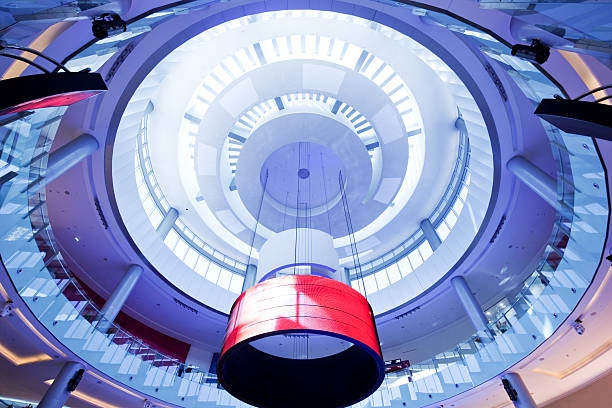
Kejuruteraan Substrat dan Kestabilan Terma
Walaupun ramai penonton hanya melihat kesan visual terakhir, asasnya terletak pada substrat. PCB tegar tradisional mengehadkan lenturan dan menghasilkan titik tegasan apabila dipaksa ke dalam lengkung. Walau bagaimanapun, paparan LED tidak teratur yang fleksibel menggunakan substrat elastik yang mengedarkan ketegangan mekanikal di seluruh permukaan. Ini mengurangkan risiko keretakan dan mengekalkan integriti struktur jangka panjang. Substrat juga memainkan peranan terma, kerana modul LED fleksibel masih menghasilkan haba semasa operasi. Komposit polimer termaju meningkatkan pemindahan haba dan mengekalkan suhu operasi yang stabil. Ini meningkatkan ketekalan cahaya dan mengurangkan risiko kegagalan komponen. Tambahan pula, substrat ini menyokong profil nipis, yang membolehkan pereka bentuk menyepadukan paparan ke dalam persekitaran yang padat.
Enkapsulasi Fleksibel dan Kestabilan Optik
Memandangkan substrat mengendalikan lenturan dan haba, bahan pembungkusan LED mesti sepadan dengan fleksibilitinya. Pembungkusan LED standard menggunakan epoksi keras, yang tidak boleh meregang tanpa retak. Modul LED fleksibel bergantung pada sebatian enkapsulasi lembut yang mengekalkan kejelasan optik sambil membenarkan ubah bentuk. Sebatian ini menyuraikan daya hentaman, mengurangkan kerosakan getaran dan mencipta penghalang tertutup terhadap habuk dan kelembapan. Selain itu, bahan silikon canggih mengekalkan ketelusan optik dalam tempoh yang lama, yang membantu menstabilkan output kecerahan dan ketepatan warna. Ini membawa kepada prestasi visual yang kekal andal walaupun dalam persekitaran dinamik seperti set pentas atau fasad seni bina.
Kelakuan Litar Di Bawah Tekanan Lentur
Prestasi litar juga membentuk kebolehpercayaan paparan LED tidak teratur yang fleksibel. Setiap litar mesti menyerap daya lentur tanpa memutuskan laluan konduktif. Jurutera mencapai ini dengan mereka bentuk jejak serpentin yang terbentang dengan modul. Jejak ini bergerak semasa paparan melentur, yang menghalang kepekatan tekanan di kawasan sensitif. Penggunaan kuprum nada mikro, dakwat konduktif, dan litar fleksibel hibrid meningkatkan lagi kekukuhan. Apabila litar menyesuaikan diri dengan pergerakan, sistem pemacu LED mesti mengekalkan aliran arus terkawal walaupun lentur berterusan. Arus stabil meningkatkan ketepatan skala kelabu dan memastikan pergerakan, cahaya matahari atau kitaran haba tidak boleh menjejaskan kualiti imej.
Pengurusan Terma untuk Pemasangan Melengkung
Pengurusan haba memainkan peranan penting dalam pemasangan LED yang fleksibel. Walaupun sistem ini menggunakan LED berkuasa rendah, aplikasi melengkung atau tertutup sering memerangkap haba. Pengumpulan suhu tinggi mengurangkan jangka hayat LED dan melemahkan kestabilan warna. Untuk mengelakkan ini, pengeluar menyepadukan pelekat konduktif terma, lapisan enkapsulasi bernafas, dan susun atur PCB yang lebih baik yang membolehkan haba meresap sama rata. Ini memastikan pemasangan melengkung berkelakuan seperti skrin tegar tradisional dari segi jangka hayat dan kebolehpercayaan. Strategi terma juga melindungi paparan daripada tempat liputan yang menyebabkan variasi imej, terutamanya dalam persekitaran imersif yang besar.
Struktur Mekanikal dan Fleksibiliti Pemasangan
Struktur mekanikal di sebalik paparan LED tidak teratur yang fleksibel mempengaruhi prestasi sama seperti bahan. Pereka bentuk mesti memastikan modul terkunci untuk membentuk permukaan licin dan berterusan. Sistem pelekap magnet atau bingkai lembut membolehkan pengguna memasang paparan pada bingkai logam melengkung atau permukaan berukir. Sistem ini melaraskan kepada variasi bentuk sambil mengekalkan kerataan pada tahap piksel. Antara muka mekanikal juga menyerap getaran, yang membantu menstabilkan output imej apabila paparan dipasang pada struktur bergerak. Fleksibiliti mekanikal yang kuat juga menyokong kecekapan pengangkutan. Ini mengurangkan jumlah penghantaran dan mengurangkan buruh pemasangan, yang meningkatkan nilai projek jangka panjang.
Keseragaman Optik pada Permukaan Melengkung
Oleh kerana prestasi visual mesti kekal stabil merentasi perubahan bentuk, ketekalan optik menjadi penting. Permukaan melengkung mempengaruhi sudut tontonan dan boleh memesongkan taburan cahaya. Paparan LED tidak teratur yang fleksibel menyelesaikannya dengan menggunakan kanta LED sudut lebar yang mengedarkan cahaya secara sama rata pada permukaan paparan. Kanta ini mengekalkan keseragaman warna walaupun apabila penonton berdiri hampir dengan modul. Reka bentuk optik mereka juga menghalang bintik silau yang biasanya berlaku apabila membengkokkan panel. Teknologi ini membolehkan paparan melengkung untuk mempersembahkan imej yang licin, kontras tinggi yang memenuhi jangkaan komersil.
Ketahanan dan Rintangan Alam Sekitar
Ketahanan juga mentakrifkan kejayaan pemasangan LED yang fleksibel. Paparan ini beroperasi dalam persekitaran di mana ia menghadapi pengendalian, tekanan tidak sengaja atau pelarasan berulang. Lapisan enkapsulasi lembut melindungi LED daripada daya luaran. Struktur tepi bertetulang menghalang koyakan pada sempadan modul. Bahan kalis lembapan melindungi litar semasa penggunaan luar. Bersama-sama, penambahbaikan ini meningkatkan ketahanan keseluruhan tanpa menghilangkan keupayaan untuk membengkok. Di samping itu, bahan tambahan anti-UV melindungi lapisan silikon daripada menguning di bawah cahaya matahari. Ini meningkatkan kejelasan optik jangka panjang dan memastikan paparan mengekalkan penampilan yang bersih.
Strategi Pengagihan Kuasa untuk Bentuk Dinamik
Pengagihan kuasa menjadi lebih kompleks dalam paparan LED yang fleksibel dan tidak teratur. Lenturan boleh mencipta perubahan rintangan di sepanjang litar. Jurutera menyelesaikannya dengan mereka bentuk laluan kuasa penyesuaian. Laluan ini mengimbangi aliran arus dan menghalang penurunan voltan yang menyebabkan variasi kecerahan. Pengagihan kuasa yang cekap juga mengurangkan penjanaan haba, yang menyokong strategi terma keseluruhan. Pemacu kecekapan tinggi meningkatkan lagi kestabilan kuasa dan meningkatkan ketepatan skala kelabu, terutamanya dalam adegan kecerahan rendah. Penambahbaikan ini memberikan tahap prestasi sistem LED yang fleksibel setelah dikhaskan untuk panel tegar.
Meluaskan Kebebasan Reka Bentuk Merentas Industri
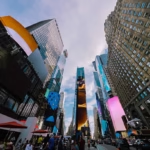
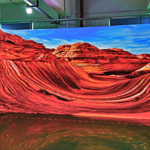
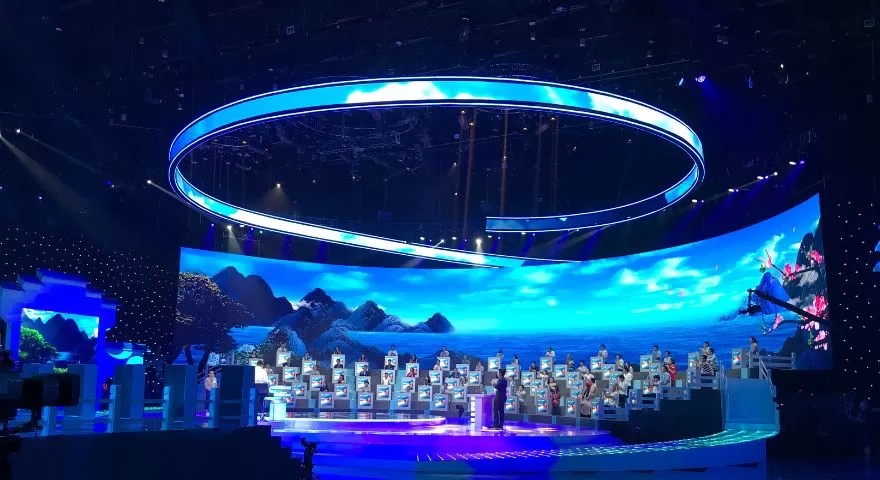
Paparan LED tidak teratur yang fleksibel membentuk semula cara pengguna mereka bentuk persekitaran yang mengasyikkan. Pereka bentuk runcit menggunakannya untuk membalut permukaan dan mencipta zon penceritaan dinamik. Pengeluar acara menyepadukannya ke dalam struktur pentas tersuai dan membina bentuk yang meningkatkan interaksi pelaku. Arkitek membenamkan skrin LED fleksibel ke dalam dinding melengkung, siling dan tiang. Pameran menggunakannya untuk bentuk organik yang menarik perhatian dan membimbing pergerakan. Dalam setiap persekitaran, paparan fleksibel menjadi sebahagian daripada struktur dan bukannya elemen yang berasingan. Penyepaduan ini meningkatkan potensi kreatif dan membolehkan komunikasi visual menjadi sebahagian daripada pengalaman spatial.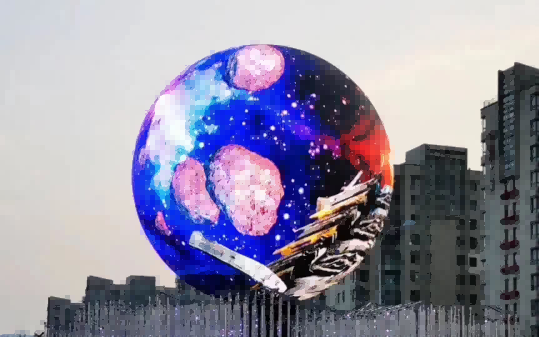
Penyelenggaraan Mudah dan Kebolehcapaian Struktur
Paparan ini juga mempengaruhi strategi penyelenggaraan. Modul yang mudah dibengkokkan membolehkan juruteknik mengakses kawasan dalaman tanpa mengeluarkan keseluruhan struktur. Litar fleksibel mengurangkan risiko simpulan atau terputus semasa operasi perkhidmatan. Reka bentuk ringan memudahkan pengendalian dan mengurangkan masa pemasangan. Ciri ini meningkatkan kebolehpercayaan projek dan mengurangkan kos penyelenggaraan merentasi pemasangan besar. Oleh kerana kebanyakan modul LED fleksibel menyokong perkhidmatan hadapan atau belakang, pengguna boleh mengekalkannya dalam pelbagai persekitaran seni bina, termasuk ruang sempit atau berukir.
Prestasi Kandungan Lanjutan pada Skrin Melengkung
Apabila aplikasi kreatif berkembang, Memaparkan LED tidak teratur yang fleksibel mesti menyokong prestasi kandungan lanjutan. Kadar penyegaran yang tinggi memastikan modul melengkung mengendalikan grafik bergerak pantas tanpa kelipan. Skala kelabu yang tinggi memastikan permukaan melengkung yang besar mengekalkan peralihan yang lancar. Kontras yang kuat meningkatkan keterlihatan dalam persekitaran pencahayaan yang kompleks. Kelebihan optik ini membantu paparan menyokong penceritaan yang mengasyikkan, persekitaran simulasi atau penjenamaan komersial. Apabila kandungan menjadi lebih maju, paparan mesti mengekalkan konsistensi merentas bentuk yang tidak sekata. Penambahbaikan dalam bahan LED, ketepatan pemacu dan reka bentuk optik membolehkan paparan memenuhi jangkaan ini.
Ujian Kebolehpercayaan dan Integriti Struktur Jangka Panjang
Walaupun permukaannya membengkok, integriti jangka panjang kekal kritikal. Jangka hayat paparan LED tidak teratur yang fleksibel bergantung pada gabungan bahan yang teguh, enkapsulasi kuat dan tingkah laku elektrik yang stabil. Oleh kerana modul ini mengalami lebih banyak interaksi fizikal daripada panel tegar, kawalan kualiti menjadi penting. Pengilang menguji kitaran lenturan, kitaran haba, rintangan getaran dan ketekalan optik. Ujian ini mengesahkan bahawa paparan boleh mengendalikan keadaan sebenar tanpa kehilangan prestasi. Ini memastikan pemasangan di ruang lalu lintas tinggi kekal stabil selama bertahun-tahun.
Sains Bahan sebagai Pemacu Inovasi Teras
Evolusi industri mencerminkan trend yang lebih mendalam dalam sains material. Setiap generasi modul LED fleksibel mengintegrasikan polimer yang lebih kuat, optik silikon yang dipertingkatkan dan reka bentuk litar yang lebih cekap. Penambahbaikan ini menghasilkan paparan yang berkelakuan seperti fabrik dan bukannya perkakasan. Pengguna mereka bentuk bentuk berdasarkan penglihatan kreatif dan bukannya sekatan mekanikal. Pencipta kandungan kini membina naratif visual yang menyesuaikan diri dengan seni bina. Transformasi ini memperluaskan sempadan papan tanda digital dan media interaktif. Ia juga menyokong penciptaan pengalaman yang mengasyikkan di mana kandungan digabungkan ke dalam bentuk.
Kesimpulan: Masa Depan Paparan LED Tidak Teratur Fleksibel
Memandangkan pasaran terus menuntut pemasangan melengkung, bengkok dan berukir, paparan LED yang fleksibel dan tidak teratur akan kekal sebagai pusat kepada persekitaran kreatif. Kejayaan mereka bergantung pada gabungan kekuatan mekanikal, kejelasan optik, kestabilan haba dan ketepatan elektrik. Sains material berfungsi sebagai penggerak yang menjadikan kualiti ini mungkin. Ia meningkatkan ketahanan, meningkatkan kestabilan kecerahan, dan mengembangkan kebebasan reka bentuk. Ini mencipta teknologi yang terus mentakrifkan semula cara sistem visual menyesuaikan diri dengan angkasa. Paparan tidak lagi menduduki permukaan; sebaliknya, mereka membentuk permukaan itu sendiri.
Ringkasnya, inovasi LED yang fleksibel hasil daripada kemajuan berterusan dalam bahan dan kejuruteraan litar. Paparan mencapai keupayaan lenturan yang mengagumkan tanpa kehilangan integriti struktur. Mereka mengekalkan prestasi optik yang konsisten merentas lengkung. Mereka mengendalikan haba, getaran dan pendedahan alam sekitar melalui strategi terma dan enkapsulasi yang dipertingkatkan. Mereka menyokong kandungan yang memerlukan ketepatan tinggi. Oleh kerana paparan menyesuaikan dengan permukaan yang tidak sekata, ia mentakrifkan semula cara pengguna membina persekitaran dinamik. Apabila teknologi ini berkembang, paparan LED tidak teratur yang fleksibel akan terus memacu arah kreatif baharu dan mengembangkan kemungkinan reka bentuk digital.