-
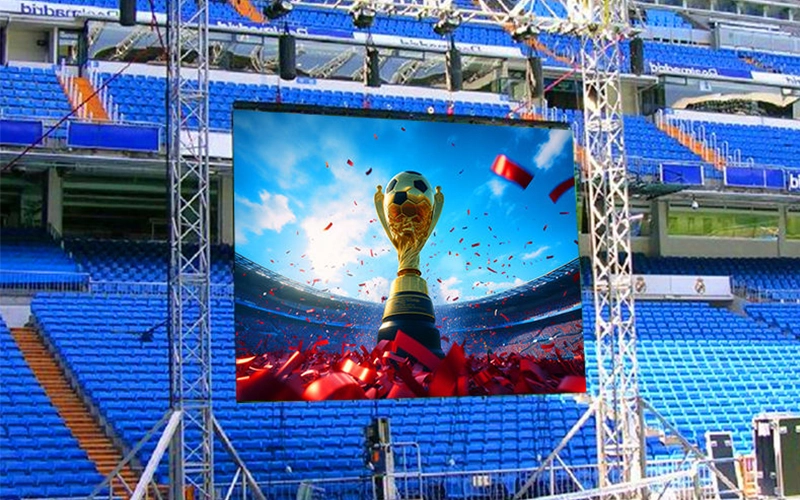
5 Pusat Pemeriksaan Kualiti Apabila Penyumberan Pukal Video LED Luaran Dipaparkan di Luar Negara
Pemeriksaan kualiti paparan video LED luar adalah penting apabila pemborong, kontraktor projek dan penyepadu papan tanda digital membeli skrin paparan LED daripada pengeluar luar negara. Sebut harga kompetitif tidak bermakna jika paparan yang dihantar mempunyai warna yang tidak konsisten, kuasa yang tidak stabil, perkakasan kawalan yang tidak serasi atau perlindungan cuaca yang tidak mencukupi. Untuk perolehan pukal, pembeli harus mewujudkan pusat pemeriksaan kualiti yang jelas sebelum pengeluaran…
-

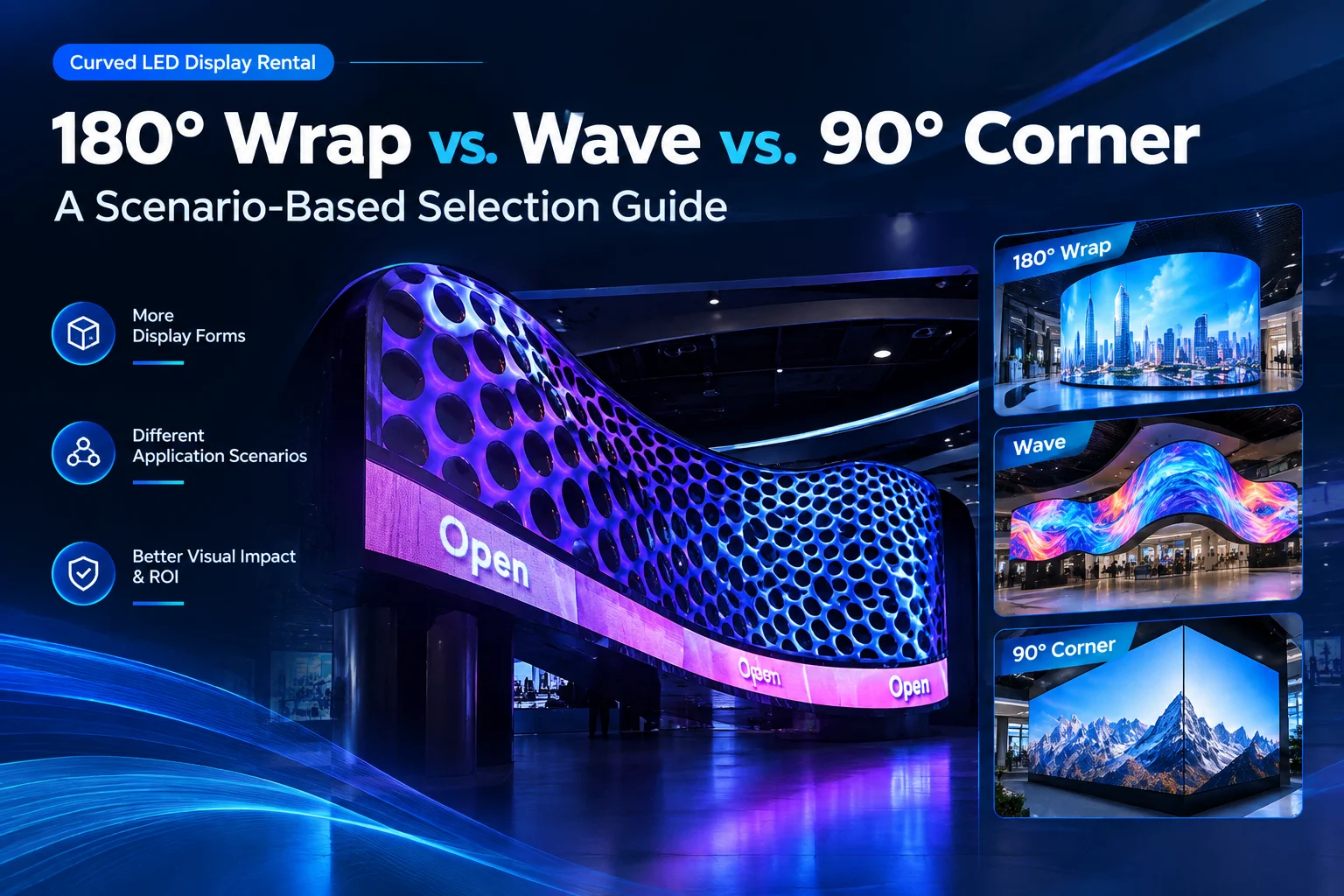
Balutan 180° lwn. Gelombang lwn. Sudut 90°: Panduan Pemilihan Berasaskan Senario untuk Sewaan Paparan LED Melengkung
Memilih penyewaan paparan LED melengkung untuk acara langsung, pameran perdagangan atau pengaktifan jenama yang mendalam melibatkan lebih daripada memilih bentuk skrin. Jejari kelengkungan, sudut tontonan, sambungan kabinet dan reka bentuk kandungan semuanya mempengaruhi pengalaman visual akhir. Skrin cekung yang lembut boleh meningkatkan keterlihatan persembahan pentas, manakala lilitan 180° mencipta persekitaran yang mengasyikkan. Serpentine…
-
Gantung vs. Susun: Matriks Keputusan untuk Memilih Pemasangan LED yang Tepat Sebelum Tiba di Tapak
Memilih antara menggantung dan menyusun tanah paparan LED menjejaskan keselamatan struktur, kecekapan pemasangan, keperluan tempat dan kos acara. 👉Paparan LED luar Untuk pengendali penyewaan acara, jurutera pengeluaran AV dan juruteknik pentas, memilih kaedah pemasangan paparan LED gantung vs. susun yang salah boleh menyebabkan kelewatan yang mahal dan bahaya tempat kerja yang serius. Sesuatu tempat mungkin kekurangan overhed yang diperakui…
-
Bagaimana Modul Paparan LED Universal Boleh Memotong Inventori Alat Ganti sebanyak 50%
Bagaimana Modul LED Universal Boleh Mengurangkan SKU Alat Ganti sebanyak 50% Potensi pengurangan 50% datang daripada bilangan jenis modul dan bukannya pengurangan 50% automatik dalam jumlah perbelanjaan inventori. Katakan sistem paparan LED memerlukan: 100 modul kiri 100 modul kanan Sistem konvensional memerlukan 200 modul ganti khusus kedudukan jika pengendali…
-
Penyelenggaraan Depan lwn. Penyelenggaraan Belakang: Berapa Banyak Ruang Belakang Boleh Anda Jimat?
Untuk projek paparan LED luaran, pilihan antara paparan LED penyelenggaraan hadapan dan reka bentuk penyelenggaraan belakang bukan sahaja mengenai cara juruteknik mengakses skrin. Ia boleh menentukan secara langsung berapa banyak ruang pemasangan yang diperlukan oleh projek-dan berapa banyak kos ruang itu. Paparan LED penyelenggaraan belakang tradisional mungkin memerlukan lebih kurang 600–1000 mm servis…
-
Paparan LED Filem Telus lwn. Skrin Telus Kabinet: Cara Reka Bentuk Ringan Membentuk Perolehan
Pereka bentuk pencahayaan seni bina, pengurus harta komersil dan pembeli paparan LED sering menghadapi keputusan teknikal penting apabila merancang fasad media dan paparan tingkap dalaman: "Di manakah terletaknya sempadan operasi yang tepat antara skrin LED filem lutsinar dan skrin telus kabinet tegar, dan bagaimana berat dan kerumitan struktur harus membimbing perolehan?" Walaupun skrin LED telus berasaskan kabinet tradisional…
-
Paparan LED Dalaman vs Luaran: Bagaimana Memilih Penyelesaian yang Tepat?
Apabila memilih paparan LED modular, ramai pembeli bertanya: "Apakah perbezaan sebenar antara paparan LED dalaman dan luaran? Bolehkah skrin LED luaran dipasang di dalam rumah?" Walaupun kedua-dua sistem menggunakan teknologi LED untuk memaparkan imej dan video, reka bentuk mereka memberi tumpuan kepada keperluan persekitaran yang berbeza sama sekali. Perbezaan utama antara LED dalaman vs luaran…
-
Front Maintenance vs. Rear Maintenance Modular LED Displays: Architectural Constraints & Cost Comparison
Mengapa Reka Bentuk Penyelenggaraan Menentukan Kos Projek Paparan LED Apabila arkitek dan pemilik projek mereka bentuk pemasangan paparan LED terbenam, mereka sering memfokuskan pada saiz skrin, kecerahan dan prestasi visual. Walau bagaimanapun, kebolehcapaian penyelenggaraan menjadi salah satu faktor paling kritikal yang mempengaruhi kos projek jangka panjang. Skrin LED modular berskala besar dipasang terus ke fasad bangunan, dinding atau…
-
Cara Menghapuskan Kesan Moiré dan Garis Imbasan Semasa Merakam Paparan LED Fine-Pitch
Dalam persekitaran penggambaran profesional, paparan LED nada halus telah menjadi alat visual yang kritikal untuk studio penyiaran, pengeluaran maya XR dan pengeluaran video komersial. Walau bagaimanapun, banyak pasukan pengeluaran masih menghadapi dua cabaran utama apabila menangkap skrin LED dengan kamera: kesan moiré dan garis imbasan yang boleh dilihat. Corak yang tidak diingini ini boleh mengurangkan kualiti imej, merosakkan konsistensi visual dan…

+86 13302962639
Ada sebarang Soalan?
BERITA
Ikuti perkembangan terkini dengan berita terkini kami