Selama beberapa dekad, pengiklanan di luar rumah bergantung pada struktur papan iklan yang tetap dan tidak berubah. Setelah dipasang, geometri mereka kekal statik selama bertahun-tahun tanpa penyesuaian. Walau bagaimanapun, peningkatan paparan modular gaya LEGO telah mengganggu model tegar ini.
Akibatnya, ruang pengiklanan menjadi boleh diprogramkan seperti kandungan yang dipersembahkan.
Di tengah-tengah pemasaran visual moden terletak inovasi modular. Dengan mengguna pakai modul standard berprestasi tinggi, jenama mengubah dinding menjadi kanvas jenama dinamik. Sama ada di atrium besar, koridor lapangan terbang yang sempit atau kedai pop timbul, panel LED modular menyesuaikan diri dengan mudah. Akibatnya, had spatial tidak lagi menyekat ekspresi kreatif. Selain itu, sistem perkakasan tunggal boleh berkembang melalui pelbagai transformasi digital. Akibatnya, kandungan pemasaran bertindak balas serta-merta kepada perubahan ruang dan detik kempen.
1. Kematian "Bingkai Tetap": Memeluk Logik LEGO
Had utama paparan tradisional (seperti monitor LCD) ialah nisbah aspek tetapnya. Anda terperangkap dalam kotak 16:9. Panel paparan LED modular, sebaliknya, beroperasi pada prinsip "skala tidak terhingga."
Kuasa Jalinan Piawaian
Sama seperti batu bata LEGO boleh menjadi sebahagian daripada istana atau kapal angkasa, modul LED tunggal—biasanya segi empat tepat atau segi empat tepat—berfungsi sebagai blok bangunan universal. Jurutera mereka bentuk modul ini dengan mekanisme saling kunci berketepatan tinggi dan penyambung magnet.
Tindakan: Ini membolehkan juruteknik memasang dinding 4K yang besar pada waktu pagi dan membukanya kepada sepuluh tiang digital individu menjelang petang.
Kesan: Pendekatan "berbutir" kepada perkakasan ini bermakna dinding pengiklanan bukan lagi lekapan kekal bangunan; ia adalah aset cair yang bergerak dan berkembang dengan kempen jenama.
2. Penyesuaian Ruang: Menyelesaikan Masalah "Sudut Janggal".
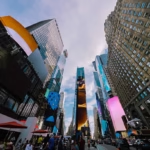
Ruang komersial jarang sekali berbentuk segi empat tepat. Pusat beli-belah mempunyai koridor melengkung, lapangan terbang mempunyai tiang silinder, dan kedai utama mempunyai tangga bersudut yang sempit. Skrin standard gagal dalam persekitaran ini, meninggalkan "zon mati" yang membazirkan trafik pejalan kaki yang berharga.
Realiti Lentur dengan Modul Fleksibel
Teknologi modular telah berkembang untuk memasukkan modul skrin LED fleksibel. Unit ini menggunakan papan PCB lembut dan bingkai bergetah yang boleh bengkok sehingga 45 darjah atau lebih.
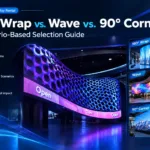
Lengkung: Jenama boleh membungkus skrin digital di sekeliling lajur struktur, menukar halangan visual menjadi suar penceritaan 360 darjah.
Gelombang: Dengan modul cekung dan cembung berselang-seli, pereka mencipta paparan "reben" yang meniru aliran air, membimbing mata pelanggan melalui perjalanan runcit.
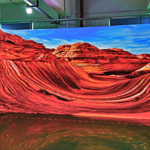
Sudut: Unit modular sudut kanan membolehkan peralihan lancar di sekitar sudut 90 darjah, menghasilkan kesan "kiub" yang menjadikan kandungan anamorfik 3D (kesan "3D mata kasar") mungkin.
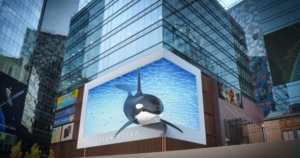
3. Aliran Kerja "Metamorfosis": Satu Hari, Sepuluh Bentuk
Untuk memahami kesan transformatifnya, pertimbangkan senario "hari dalam kehidupan" hipotesis.
Dalam konteks ini, kit LED modular menyokong acara pelancaran serantau jenama.
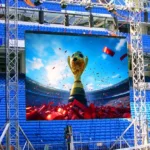
09:00 AM (Perasmian Besar): Modul-modul dipasang menjadi besar, rata, dinding video LED lancar di belakang pentas utama untuk ucaptama.
11:00 PG (Demo Produk): Dinding terbelah. Separuh modul membentuk "petanda digital" yang panjang dan mendatar di atas kawasan tunjuk cara, manakala separuh lagi digunakan sebagai "kaki pintar" individu untuk paparan produk.
02:00 PM (Selingan Artistik): Juruteknik menyusun semula modul ke dalam konfigurasi "seni piksel" berperingkat untuk memaparkan seni digital abstrak yang sepadan dengan tema acara.
05:00 PTG (Waktu Media Sosial): Modul-modul itu dialihkan ke pintu masuk dan disusun ke dalam logo 3D gergasi jenama itu, berfungsi sebagai latar belakang foto "Instagrammable" yang sempurna.
Tahap ketangkasan ini memastikan bahawa pelaburan perkakasan tidak pernah terbiar. Sifat "LEGO" sistem bermakna jenama hanya perlu membeli modul sekali untuk membuka kunci seribu konfigurasi yang berbeza.
4. Kebolehpercayaan Teknikal: Mengapa Modular ialah Pilihan "Pintar".
Modulariti bukan hanya mengenai estetika; ia adalah falsafah kejuruteraan yang unggul untuk penyelenggaraan dan kebolehpercayaan jangka panjang.
Model Penyelenggaraan "Zero-Downtime".
Dalam skrin format besar tradisional, satu kegagalan dalaman boleh menggelapkan keseluruhan bahagian dinding, memerlukan jam pembongkaran. Dalam sistem modular, Panel paparan LED modular ciri kebolehcapaian "perkhidmatan hadapan".
Pertukaran Panas: Jika satu modul mengalami kegagalan piksel, juruteknik menggunakan alat magnetik untuk mengeluarkan unit khusus tersebut dan memasukkan alat ganti. Proses ini mengambil masa kurang daripada 60 saat dan tidak memerlukan penutupan seluruh paparan.
Kecerdasan Teragih: Setiap modul mengandungi data penentukuran sendiri. Apabila anda memasukkan modul baharu ke dalam dinding sedia ada, ia menyegerakkan kecerahan dan keseimbangan warna secara automatik untuk dipadankan dengan jirannya, memastikan imej seragam sempurna setiap kali.
5. Memacu ROI: Ekonomi Fleksibiliti
Dari perspektif kewangan, revolusi LED "gaya LEGO" mengubah pengiraan ROI untuk jabatan pemasaran.
Kos Logistik yang Dikurangkan: Oleh kerana skrin terpecah menjadi jubin kecil dan ringan, ia boleh diangkut dalam kes penerbangan standard dan bukannya memerlukan trak flatbed khusus. Ini menjadikan pengiklanan LED mudah alih berdaya maju untuk lawatan global.
Utiliti Berbilang Tapak: Jenama boleh menggunakan 100 modul yang sama untuk pembukaan kedai utama di New York, kemudian menghantarnya ke pameran perdagangan di Las Vegas, mengkonfigurasi semula bentuk setiap kali agar sesuai dengan dimensi gerai baharu.
Penyegerakan Kandungan: Pengawal modular moden membenarkan "memetakan" sebarang bentuk. Perisian secara automatik mengesan susun atur modul, bermakna pencipta kandungan tidak perlu memaparkan semula video untuk setiap bentuk baharu; sistem secara bijak "mengalirkan" video ke atas geometri baharu.
6. Kesimpulan: Kanvas Jenama Masa Depan
Peralihan daripada "skrin statik" kepada "sistem modular" mewakili kematangan muktamad papan tanda digital. Dengan menganggap dinding pengiklanan sebagai koleksi piksel pintar yang saling mengunci, kami telah mengubah seni bina menjadi peserta yang hidup dalam cerita pemasaran.
Panel paparan LED modular memperkasakan jenama untuk tidak takut. Mereka kini boleh pergi ke mana sahaja pelanggan berada—sama ada terowong melengkung, tiang bulat atau galeri seni pop timbul—tanpa mengorbankan kualiti visual. Pada masa hadapan pengiklanan, jenama yang paling berjaya bukanlah jenama yang mempunyai skrin terbesar, tetapi jenama yang paling mudah disesuaikan. Revolusi LEGO telah tiba, dan satu-satunya had kepada metamorfosis digital anda ialah sempadan imaginasi anda.