Outdoor LED video display quality inspection is essential when wholesalers, project contractors, and digital signage integrators purchase LED display screens from overseas manufacturers. A competitive quotation means little if the delivered display has inconsistent colors, unstable power, incompatible control hardware, or inadequate weather protection.
For bulk procurement, buyers should establish clear quality checkpoints before production begins. These should cover aging tests, white balance calibration, power supply verification, control system compatibility, and outdoor protection and structural reliability.
A documented inspection process helps buyers compare suppliers objectively, reduce avoidable quality disputes, and confirm whether the finished products meet the agreed specifications. This guide explains what to inspect, what evidence to request, and how to prepare a practical acceptance checklist for custom outdoor LED video displays.
1. Check the Aging Test: Require Documented Operating Stability
An LED display aging test helps identify certain early failures before the product leaves the factory. During testing, assembled LED display modules or cabinets operate for a defined period under specified conditions, allowing technicians to monitor image performance and component behavior.
For bulk orders, buyers can specify a 72-hour aging test as a contractual quality checkpoint. However, 72 hours is a procurement requirement rather than a universal guarantee of service life. Test duration alone does not establish long-term reliability.
What Should a 72-Hour LED Display Aging Test Include?
Ask the supplier to define the test procedure before production starts. The inspection should cover the actual product configuration and agreed operating conditions.
Key checks include:
Continuous operation: Confirm that the tested modules or cabinets run for the agreed period.
Pixel performance: Record dead, stuck, dim, or abnormal pixels before and after testing.
Color consistency: Check for visible differences between modules and cabinets.
Signal stability: Monitor intermittent signal loss, flickering, or unexpected restarts.
Thermal behavior: Check for abnormal heating or cooling problems under the specified test conditions.
Power stability: Record unexpected shutdowns, unstable operation, or component failures.
For larger orders, buyers should clarify whether the test covers every cabinet, a defined sample, or a representative production batch. A test on one sample does not automatically verify every unit in the shipment.
What Evidence Should Overseas Buyers Request?
Request an aging test report that identifies the model, batch, test duration, test conditions, inspection results, and any corrective actions.
Where feasible, ask for dated photographs or video records showing the tested equipment and its operating status. For high-value projects, arrange a third-party factory inspection or witness test.
A useful acceptance agreement defines how the supplier will handle failures discovered during aging, including rework, retesting, and approval before shipment.
Buyer takeaway: A documented 72-hour aging process provides a defined pre-shipment checkpoint. Its value comes from the test coverage, recorded results, and corrective-action process—not simply the number of hours.
2. Verify White Balance Calibration and Color Consistency
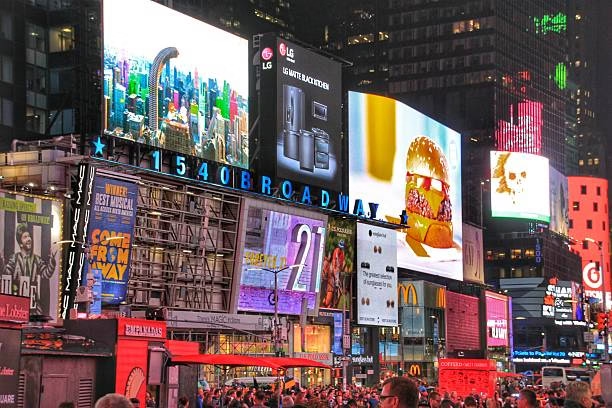
White balance calibration is a critical part of outdoor LED display quality control. Even when individual modules operate correctly, visible color differences can appear across a large screen if their brightness and color output are not properly matched.
For advertising networks, sports venues, event rental companies, and digital signage integrators, inconsistent colors can affect the appearance of branded content and large-format video.
Why White Balance Calibration Matters
White balance calibration adjusts the relative output of red, green, and blue channels to achieve the intended white point. It also supports more consistent color reproduction across modules and cabinets.
Without suitable calibration, a screen may show:
Different shades of white across adjacent cabinets.
Visible brightness variations between modules.
Color shifts in gray areas or gradients.
Inconsistent brand colors across the display surface.
Calibration should be performed using the agreed configuration and operating conditions. A screen that looks uniform in a factory demonstration may still show inconsistencies when viewed at different brightness settings or displaying different content.
How to Inspect LED Display Color Uniformity
Ask the supplier to demonstrate the assembled display using solid-color test patterns and grayscale content.
| Inspection Item | What Buyers Should Check |
|---|---|
| White balance | Whether white appears consistent across the screen |
| Grayscale uniformity | Whether dark-to-light transitions show visible patches or abrupt changes |
| Brightness consistency | Whether adjacent modules have noticeable brightness differences |
| RGB performance | Whether red, green, and blue fields show obvious abnormalities |
| Viewing angles | Whether the intended viewing positions reveal significant color shifts |
| Calibration records | Whether the tested product configuration and results are documented |
For projects with strict color requirements, specify the white point, brightness target, acceptable uniformity limits, measurement conditions, and test method in advance.
A calibrated camera or suitable measurement instrument can support objective evaluation. Visual inspection remains useful, but it should not replace agreed quantitative criteria where the project requires measurable color performance.
Avoid Confusing Raw Brightness with Calibrated Brightness
Suppliers may quote peak brightness before calibration or under different measurement conditions. These figures are not always directly comparable.
Ask for the brightness measured after calibration under the agreed settings. Also confirm the target brightness required for the installation environment, especially for screens exposed to direct sunlight.
Buyer takeaway: White balance and brightness should be evaluated on the assembled display, not just on individual modules. Define the acceptance criteria before mass production to avoid disputes over subjective color differences.
3. Verify the Power Supply Brand, Model, and Electrical Performance
The power supply is a major component in an outdoor LED display system. Poor component selection, inadequate capacity, or unsuitable environmental protection can contribute to instability and maintenance problems.
For bulk buyers, choosing a recognized brand such as Mean Well or Chuanglian (CL) may help establish a clearer component specification. However, brand recognition alone does not prove that a particular model is suitable for the application.
What Should Buyers Check on LED Display Power Supplies?
Start by requesting the exact manufacturer and model number for the quoted configuration.
Check the following items:
Rated output: Confirm that the output voltage and current match the LED modules and system design.
Load capacity: Review the power supply sizing against the display’s actual electrical requirements.
Input voltage: Confirm compatibility with the destination market’s electrical supply.
Efficiency and thermal behavior: Review the model specifications and relevant test evidence.
Protection features: Verify the specified protections against conditions such as overcurrent, overvoltage, or overheating.
Environmental suitability: Confirm whether the power supply is suitable for its actual location within the cabinet.
Traceability: Check model labels, documentation, and procurement records.
For outdoor LED video displays, distinguish between the cabinet’s ingress protection rating and the power supply’s own protection rating. A protected power supply does not automatically make the complete cabinet weatherproof.
Mean Well vs. Chuanglian: How Should Buyers Decide?
Mean Well and Chuanglian are examples of power supply brands buyers may encounter in LED display procurement. The right choice depends on the specified model, availability, electrical requirements, environmental conditions, and project budget.
| Faktor Penilaian | Perkara yang Perlu Disahkan |
|---|---|
| Brand and authenticity | Exact model, labeling, and traceable sourcing |
| Electrical compatibility | Output voltage, rated current, and load requirements |
| Thermal performance | Operating temperature range and heat dissipation |
| Protection | Applicable electrical protections and environmental ratings |
| Replacement availability | Lead time and access to compatible replacement units |
| Project documentation | Datasheets, inspection records, and agreed component list |
Do not approve a substitution simply because the replacement comes from a familiar brand. The model must meet the original electrical and environmental requirements.
For large projects, specify whether substitutions require written approval. This helps prevent unapproved component changes between the approved sample and the bulk shipment.
Buyer takeaway: Evaluate the exact power supply model and its suitability, not just the brand name. Record the approved component specification in the purchase order or technical agreement.
4. Confirm Control System Compatibility: NovaStar, Colorlight, and More
An outdoor LED video display needs a control system that can receive the intended video signals, configure the display, and drive the specified receiving hardware. Compatibility issues may emerge when the supplier combines components that have not been verified together.
For overseas buyers, this checkpoint is particularly important when the new screen must work with an existing installation, a video processor, a media server, or the customer’s established maintenance workflow.
Check the Complete Control System Configuration
NovaStar and Colorlight offer LED display control products, but their systems should not be treated as universally interchangeable. Compatibility depends on the specific sending or controller equipment, receiving cards, firmware, configuration software, and display requirements.
Before placing a bulk order, request a complete list of the proposed control components.
Verify:
Controller or sending card model.
Receiving card model installed in the cabinets.
Video processor and input interfaces, if required.
Supported resolution and total pixel-loading capacity.
Refresh-rate and grayscale requirements.
Configuration software and firmware versions.
Compatibility with the customer’s existing equipment.
Remote management and maintenance requirements.
For reference, consult the official NovaStar website dan Colorlight website for product-specific information.
Test the Display with the Intended Signal Source
A successful factory test should use the actual or equivalent control configuration intended for delivery.
Ask the supplier to demonstrate the display using representative content and verify that the system can load the correct configuration, maintain a stable image, and recover normally after a controlled restart.
For projects requiring specific features, such as high refresh rates, synchronized playback, or camera-friendly performance, document the required settings and test them under the intended operating conditions.
If the screen will connect to an existing LED wall, confirm the exact receiving card and software compatibility rather than relying on the statement that both products support the same control system brand.
Buyer takeaway: Brand names provide a starting point, not a complete compatibility guarantee. Approve the exact hardware configuration and test it with the intended signal chain before shipment.
5. Inspect Outdoor Protection, Cabinet Quality, and Structural Reliability
Outdoor LED video displays must operate in conditions that may include rain, dust, temperature fluctuations, sunlight, wind, and repeated maintenance. A strong image during a factory demonstration does not prove that the finished system is suitable for its installation environment.
The fifth checkpoint combines environmental protection with the physical quality of the cabinet and its supporting structure.
Verify the IP Rating for the Actual Installation
The IP rating describes protection against the ingress of solid particles and water under defined test conditions. It does not independently establish resistance to corrosion, temperature cycling, long-term UV exposure, or every possible weather condition.
Many outdoor LED displays specify IP65 protection for exposed surfaces, but the required rating depends on the design and installation environment.
Ask the supplier to confirm:
The specified IP rating for the front and rear of the cabinet.
Whether the test evidence applies to the actual cabinet model.
The protection provided at connectors, cable entries, and service openings.
The sealing method and maintenance requirements.
Any differences between the module rating and complete cabinet rating.
Where a project requires verified ingress protection, request the applicable test report rather than relying only on a product brochure.
Check Cabinet Materials and Mechanical Assembly
Inspect the cabinet for deformation, loose fasteners, damaged seals, uneven joints, and visible manufacturing defects.
For permanent outdoor installations, also confirm the cabinet material, surface treatment, mounting arrangement, and structural design requirements.
Wind loading, total screen weight, mounting height, and local building regulations may affect the supporting structure. These factors should be assessed by qualified project engineers rather than inferred from the cabinet’s appearance.
Confirm Electrical and Environmental Requirements
Depending on the project and destination market, the inspection plan may need to include:
Protective grounding and applicable electrical safety checks.
Power and signal connector condition.
Cooling and heat dissipation.
Drainage and sealing details.
Corrosion protection for coastal or high-humidity locations.
Operating temperature requirements.
Suitable surge protection and installation provisions.
The exact tests should follow the product specification, destination-market requirements, and actual site conditions.
Buyer takeaway: IP ratings are important, but outdoor reliability depends on the complete system. Review the cabinet, connectors, electrical design, mounting structure, and environmental requirements together.
6. Turn the Five Checkpoints into a Practical Factory Inspection Plan
The five quality checkpoints become more useful when buyers connect them to specific production stages and acceptance records.
For a large overseas order, consider the following inspection workflow.
| Production Stage | Main Inspection Focus | Recommended Evidence |
|---|---|---|
| Before production | Approved specifications, components, and drawings | Signed technical agreement and bill of materials |
| Incoming component inspection | LED modules, power supplies, control hardware, and cabinet materials | Component records and model verification |
| Assembly and aging | Operational stability and early failure detection | Aging logs, fault records, and corrective actions |
| Calibration | White balance, brightness, and module consistency | Calibration report and test-pattern photographs |
| Final inspection | Control system, cabinet assembly, IP evidence, and appearance | Final inspection report and agreed test results |
| Before shipment | Quantity, labeling, packaging, and accessories | Packing list, serial numbers, and shipment records |
Define Acceptance Criteria Before Ordering
A checklist is not sufficient if the supplier and buyer interpret its requirements differently. Before approving production, agree on measurable limits wherever possible.
Examples include the required aging duration, acceptable pixel-defect criteria, calibrated brightness, color-uniformity tolerance, exact component models, and applicable IP rating.
Also establish how the parties will handle nonconforming products. The agreement should identify who performs rework, whether retesting is mandatory, and who authorizes release for shipment.
Choose the Right Inspection Method
Different orders may require different levels of verification.
Document review: Suitable for confirming agreed specifications and checking supporting records.
Factory video inspection: Useful for remote observation, but it cannot independently verify every measurement or test result.
Third-party inspection: Can provide independent checks against agreed acceptance criteria.
Pre-shipment inspection: Helps confirm the finished goods, packaging, quantity, and specified performance checks before dispatch.
For high-value projects, combine documentation review with physical inspection and functional testing. Inspection scope should reflect order value, project risk, and the consequences of failure after installation.
7. Frequently Asked Questions
Is a 72-hour aging test mandatory for every outdoor LED display?
No. A 72-hour test can be specified as a buyer’s acceptance requirement, but it is not a universal requirement for every LED display. Buyers should define the test coverage, operating conditions, pass criteria, and reporting requirements in the purchase agreement.
What is the most important quality check when buying outdoor LED video displays in bulk?
There is no single check that covers every risk. Aging tests assess operating stability, calibration addresses image consistency, power supply verification checks electrical components, control system testing confirms configuration compatibility, and environmental inspection evaluates outdoor suitability. These checks work best as one documented process.
Should I always choose Mean Well power supplies for outdoor LED screens?
Not necessarily. Mean Well is one possible specified brand, but suitability depends on the exact model, electrical load, operating environment, availability, and project requirements. Any alternative should meet the agreed specifications and receive approval before substitution.
Are NovaStar and Colorlight control systems interchangeable?
Not universally. Compatibility depends on the specific controllers, sending and receiving hardware, software, firmware, and system configuration. Buyers should verify the complete bill of materials and test the intended setup before delivery.
Does an IP65 rating guarantee that an outdoor LED display will withstand every weather condition?
No. IP65 describes protection against dust and water jets under defined test conditions. It does not independently guarantee resistance to corrosion, condensation, extreme temperatures, UV exposure, wind loading, or long-term weathering. Those risks require separate evaluation where relevant.
What documents should overseas buyers request before shipment?
Request the approved technical specification, bill of materials, aging records, calibration results, relevant IP test reports, electrical documentation, control system configuration, final inspection report, and packing list. The precise document set should match the purchase agreement and destination-market requirements.
Conclusion: Make Quality Verification Part of the Procurement Process
Successful bulk sourcing of outdoor LED video displays requires more than comparing quotations, pixel pitch, and headline brightness. Buyers need a repeatable method for verifying operating stability, image consistency, component quality, system compatibility, and environmental suitability.
A documented aging test helps identify certain early failures. White balance calibration supports a consistent image. Power supply and control system verification reduce the risk of component mismatches. Finally, cabinet, IP, electrical, and structural checks help determine whether the finished system matches its intended outdoor application.
The most effective approach is to define acceptance criteria before production, verify the approved configuration during manufacturing, and inspect the finished goods before shipment.
For wholesalers, integrators, and project contractors sourcing custom outdoor LED displays, D-KING can discuss project requirements and the relevant product configuration. Confirm the technical specifications, inspection scope, and acceptance criteria before proceeding with bulk production.