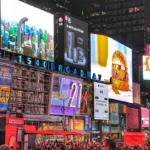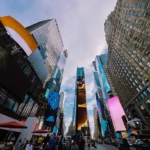
Di tengah-tengah bandar moden, seni bina digital kini membentuk pengalaman awam.
Walau bagaimanapun, skrin LED luaran berkuasa tinggi mesti mengimbangi daya tarikan dan tanggungjawab. Semasa siang hari yang terik, ia berfungsi sebagai magnet visual yang mengekalkan kesan komersial. Namun selepas matahari terbenam, mereka mesti berlembut menjadi jiran yang bertimbang rasa dalam pemandangan malam bandar. Jika tidak, kecerahan yang tidak mencukupi melemahkan nilai, manakala keamatan yang berlebihan menyebabkan pencemaran cahaya dan keletihan visual.
Untuk menyelesaikan konflik ini, generasi terbaru Memaparkan LED modular menggabungkan "Sistem Persepsi Cahaya Ambien Global." Teknologi ini membenarkan skrin untuk melaksanakan peralihan yang lancar dan tanpa langkah daripada kecerahan puncak 10,000 nits turun menjadi lembut 500 nits. Dengan menyepadukan modul penderiaan teragih dengan modulasi lebar nadi pintar (PWM), skrin ini mencapai "Imbangan Emas" antara keterlihatan yang menarik dan keramahan alam sekitar. Artikel ini meneroka kejuruteraan di sebalik peredupan pintar ini dan cara ia meningkatkan imej awam jenama melalui tanggungjawab teknologi.
1. Cabaran Persekitaran Boleh Ubah: Mengapa Kecerahan Statik Gagal
Papan tanda digital tradisional selalunya beroperasi pada jadual kecerahan tetap. Walau bagaimanapun, cuaca tidak menentu, dan musim mengalihkan masa fajar dan senja.
Kesan "Washout" Tengah Hari
Pada hari yang cerah, cahaya matahari ambien boleh melebihi 100,000 lux. Untuk memotong silau ini, an skrin LED pengiklanan luar memerlukan sekurang-kurangnya 7,000 hingga 10,000 nits untuk mengekalkan kontras yang tinggi. Tanpa "kuasa yang mempesonakan" ini, mesej jenama itu kelihatan hilang dan tidak profesional, membazirkan pelaburan dalam ruang media.
Masalah "Silau" Tengah Malam
Pada waktu malam, anak mata manusia mengembang untuk menangkap lebih banyak cahaya. Skrin 10,000-nit berjalan pada kuasa penuh dalam gelap bukan sahaja menjengkelkan; ia adalah bahaya keselamatan untuk pemandu dan sumber aduan untuk pangsapuri berdekatan. Tambahan pula, berlari pada kecerahan yang berlebihan pada waktu malam membazirkan beribu-ribu dolar dalam tenaga elektrik dan mempercepatkan penuaan haba manik LED.

2. Penderiaan Cahaya Teragih: "Sistem Saraf" Skrin
Sistem Persepsi Cahaya Ambien Global menggantikan penderia tunggal berpusat dengan a rangkaian penderiaan teragih.
Pengumpulan Data Berbilang Titik
Daripada bergantung pada satu sensor yang mungkin disekat oleh burung atau bayang-bayang dari pokok berdekatan, profesional Memaparkan LED modular gunakan berbilang probe peka cahaya yang dipasang pada orientasi yang berbeza (atas, sisi dan bawah).
Tindakan: Penderia ini menangkap peta 360 darjah kecerahan persekitaran.
Kesan: Sistem ini mengira purata wajaran cahaya ambien, menghalang "kerlipan" yang disebabkan oleh bayang-bayang sementara atau lampu kereta yang lewat. Ini memastikan peralihan peredupan begitu lancar sehingga tidak dapat dilihat oleh mata manusia.
3. Teknologi Peredupan Tanpa Langkah: Perjalanan 10,000 hingga 500 Nit
Teras "Kecerdasan" terletak pada cara sistem menterjemah data sensor ke dalam output LED fizikal.
Kuasa Pemacu PWM Kelabu Tinggi
Untuk mencapai output 500-nit yang lembut tanpa mengorbankan kedalaman warna, Memaparkan LED modular gunakan IC pemacu PWM (Pulse Width Modulation) kadar penyegaran tinggi.
Cahaya Matahari Terus (10,000 Nits): Sistem ini memaksimumkan kitaran semasa dan tugas untuk memastikan imbangan putih kekal tulen dan imej kekal "menyilaukan mata" walaupun di bawah pendedahan UV langsung.
Mendung/Senja (2,000–4,000 Nit): Apabila awan masuk, sistem memulakan pengurangan "Stepless". Ini bukan penurunan mendadak secara berperingkat, tetapi lengkung beransur-ansur yang mengekalkan ciri "Julat Dinamik Tinggi" (HDR) skrin.
Lewat Malam (500 Nits): Pada tetapan paling rendah, IC pemacu mesti mengekalkan skala kelabu yang tinggi (biasanya 14-bit atau 16-bit). Ini memastikan bahawa walaupun pada 5% kecerahan puncak, kecerunan dalam kandungan video kekal lancar, mengelakkan rupa "berpiksel" atau "berhalang" yang menjejaskan skrin rendah pada kuasa rendah.
4. Sinergi "Pintar" dan "Hijau": Melangkaui Prestasi Visual
Melaksanakan Sistem Persepsi Cahaya Ambien Global adalah tentang tanggungjawab sosial korporat (CSR) kerana ia adalah mengenai kualiti visual.
Penjimatan Tenaga Drastik
Menjalankan skrin pada 10,000 nits 24/7 adalah bencana ekologi. Dengan memalapkan secara automatik kepada 500 nits pada waktu malam, jenama boleh mengurangkan penggunaan tenaga skrin sehingga 60% hingga 75% pada waktu petang.
Pengurusan Terma: Kecerahan yang lebih rendah bermakna kurang haba. Ini mengurangkan beban pada kipas penyejuk dalaman, seterusnya menjimatkan tenaga dan memanjangkan jangka hayat modul LED dengan ketara.
Pensijilan Hijau: Bagi pembangun yang menyasarkan LEED atau pensijilan alam sekitar yang lain, "Smart Dimming" ialah ciri wajib untuk fasad digital.
Mengurangkan Pencemaran Cahaya Bandar
Di kebanyakan bandar Tahap-1, peraturan baharu mengehadkan "Candela setiap Meter Persegi" (Nits) yang dibenarkan selepas jam 10 malam. Skrin yang dilengkapi dengan persepsi cahaya pintar memastikan jenama itu kekal mematuhi undang-undang tempatan secara automatik, mengelakkan denda berat dan penutupan paksa.
5. Melindungi "Cahaya Jenama": Ketekalan Merentas Rangkaian
Bagi jenama yang menguruskan berbilang lokasi, Sistem Persepsi Cahaya Ambien Global memastikan bahawa setiap panel paparan LED modular di bandar kelihatan sama.
Penentukuran Bersatu: Tidak kira sama ada satu skrin berada di plaza yang dibasahi matahari dan satu lagi berada di lorong berlorek, sistem pintar melaraskan setiap skrin secara individu supaya "kecerahan yang dirasakan" oleh pengguna kekal konsisten.
Pemeliharaan Kandungan: Sistem ini termasuk algoritma "pampasan suhu warna". Apabila skrin malap, sistem mengalihkan keseimbangan warna secara halus untuk memastikan warna "Identiti Korporat" jenama (seperti merah atau biru tertentu) kekal tepat di bawah suhu cahaya ambien yang berbeza.
6. Kesimpulan: Persekitaran Visual dalam Harmoni
"Sistem Persepsi Cahaya Ambien Global" mewakili kematangan industri papan tanda digital. Kami beralih daripada skrin yang hanya "menjerit" kepada orang ramai dan ke arah skrin yang "berbual" dengan persekitaran mereka.
Dengan menguasai peralihan daripada 10,000 nits (untuk penguasaan tengah hari) kepada 500 nits (untuk persahabatan waktu malam), paparan LED modular menawarkan penyelesaian menyeluruh untuk bandar moden. Mereka memberikan ROI tertinggi yang mungkin untuk pengiklan sambil menunjukkan komitmen jenama terhadap keselamatan awam, kemampanan alam sekitar dan keanggunan visual. Pada masa hadapan bandar pintar, skrin yang paling berjaya bukan sahaja menjadi yang paling terang-ia akan menjadi yang paling pintar.